7 Tips for Choosing a Bone Holding Forcep?
Selecting a Bone Holding Forcep requires more than comparing prices or polished photographs. The instrument must match the procedure, bone size, surgical approach, and operator’s technique. In practice, small details matter. A secure jaw can reduce slipping during fixation. A balanced handle can limit hand fatigue during prolonged procedures. The ratchet should close smoothly, while releasing predictably when pressure changes. These features deserve careful inspection before use.
This guide presents seven practical tips for evaluating a Bone Holding Forcep. It considers jaw design, working length, material quality, grip comfort, locking control, cleaning requirements, and supplier reliability. Experienced surgical teams often compare instruments under realistic conditions, using gloved hands and standard lighting. That simple test can reveal awkward edges or weak control. Manufacturer specifications and validated reprocessing instructions should also support the decision. Do not rely on appearance alone. Stainless steel may look similar across brands, yet performance and durability can differ. I have found that even familiar instruments deserve periodic review. A trusted model may no longer suit a new procedure or changing team preference. Small errors in selection can become noticeable during delicate handling. No checklist replaces professional judgment. However, a clear evaluation process improves consistency and supports patient safety. The best choice is not always the most expensive one. It is the forcep that offers dependable control, appropriate strength, and practical maintenance for its intended clinical setting.
Understand the Purpose and Surgical Application of Bone Holding Forceps
7 Tips for Choosing a Bone Holding Forcep
Understand the Purpose and Surgical Application of Bone Holding Forceps
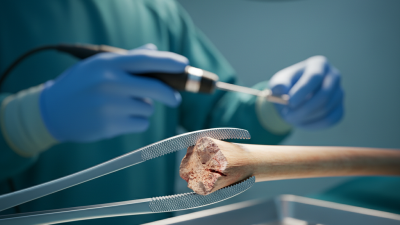
Bone holding forceps help stabilize bone during reduction, drilling, or fixation. Their main purpose is controlled grip, not excessive compression. A suitable instrument should hold the fragment firmly while protecting the cortex and nearby soft tissue. In practical training, I learned that a forcep can feel secure yet still damage fragile bone. That detail deserves attention.
Tip 1:
Match the forcep to the bone’s size and shape. Small jaws suit delicate fragments, while broader jaws support larger surfaces.
Tip 2:
Check the jaw design. Serrated, toothed, or smooth surfaces provide different levels of grip and tissue protection.
Tip 3:
Consider surgical access. Slim, angled patterns may improve visibility in deep or restricted spaces.
Tip 4:
Select an appropriate locking mechanism. Ratchets can maintain pressure, but excessive locking force may crush bone.
Tip 5:
Test the handle and hinge for smooth movement before use.
Tip 6:
Confirm that the instrument remains stable during reduction without obstructing imaging or implant placement.
Tip 7:
Review the surgical plan, bone quality, and institutional protocol with the operating team. Experience matters here, but it is not infallible. A forcep that worked well in one procedure may be unsuitable in another. Proper cleaning, inspection, sterilization, and competency-based training also support safe surgical application.
Match the Instrument Size and Grip to the Bone Anatomy
Choosing a bone holding forceps starts with the bone, not the instrument tray. The correct size should follow the bone’s width, thickness, and exposed surface. A large forceps may appear stronger, but its jaws can obstruct the surgical field. A small forceps may improve visibility, yet fail to provide stable control. Measure the anatomy carefully before applying pressure.
Jaw shape also matters. Broad, curved jaws can distribute force across larger bone surfaces. Narrow jaws may suit a smaller fragment or a restricted approach. Serrations should engage firmly without crushing fragile cortical edges.
The handles must fit the user’s hand comfortably. A secure grip reduces unnecessary wrist movement and helps maintain controlled pressure.
Test the forceps on the intended area when practical. Check whether the tips meet evenly and whether the ratchet holds without excessive force. Hand size, glove thickness, and fatigue can change the right choice. I have seen instruments selected by habit rather than anatomy. That decision can create awkward positioning. A perfect fit is not always obvious. Reassess the grip, jaw contact, and line of sight before continuing. Small adjustments often improve control more than choosing a heavier instrument.
Evaluate Material Quality, Sterilization, and Durability
A reliable bone-holding forceps starts with material quality, not appearance. Choose surgical stainless steel specified under ISO 7153-1, with corrosion resistance and adequate hardness. Inspect the jaws under bright light. They should meet evenly, without sharp burrs or uneven serrations. I once treated a mirror finish as proof of quality. That was a weak assumption. Surface finish cannot reveal hidden stress, poor heat treatment, or weak joints.
Sterilization compatibility deserves equal attention. The CDC identifies steam sterilization as the preferred method for heat-resistant critical instruments. AAMI ST79 also stresses validated cycles, proper loading, drying, and routine monitoring. Confirm that the forceps tolerate the facility’s validated temperature and exposure time. Follow the manufacturer’s instructions, but do not accept vague claims. WHO’s Global Guidelines for the Prevention of Surgical Site Infection report that 11% of surgical patients in low- and middle-income countries develop surgical-site infections. Reprocessing discipline matters.
Durability is practical evidence. Open and close the instrument repeatedly. Check joint smoothness, jaw alignment, locking action, and grip security. Test it with a suitable practice material, never excessive force. Look for staining, pitting, looseness, or reduced bite after sterilization cycles. Keep inspection records. Seven useful checks are material grade, surface finish, jaw alignment, joint movement, cycle compatibility, drying performance, and wear tracking. One detail is easy to miss: a forceps may still function while its grip becomes unreliable. Replace it before failure, not after an avoidable surgical problem.
7 Tips for Choosing a Bone Holding Forceps
Suggested evaluation priorities for material quality, sterilization, and durability
This checklist assigns practical priority weights to seven selection criteria. Surgical-grade stainless steel, corrosion resistance, validated steam-sterilization compatibility, precise jaw alignment, secure grip, mechanical durability, and maintenance traceability are key factors when evaluating bone holding forceps. The percentages are a comparative purchasing framework, not laboratory test results or brand-specific performance data.
Compare Handling Comfort, Safety Features, and Overall Value
7 Tips for Choosing a Bone Holding Forcep
A bone holding forcep should feel secure before it feels powerful. Check the handle shape, finger-ring size, and surface texture. Grip matters. A comfortable handle reduces fatigue during long procedures. Test the instrument with gloved hands, because dry-hand comfort can be misleading. I have found that poor balance often becomes obvious after several minutes, not several seconds.
Compare the forceps’ weight and jaw alignment. The jaws should meet evenly without excessive hand pressure. Inspect the teeth or serrations for controlled purchase without unnecessary tissue damage. Confirm that the locking mechanism opens smoothly and releases predictably. Safety features matter. Rounded edges, stable hinges, and a clear view of the working tip can reduce handling errors. Review the cleaning and sterilization instructions carefully. Some instruments look durable but perform poorly after repeated processing.
Overall value involves more than the purchase price. Compare expected service life, repair options, corrosion resistance, and the availability of maintenance guidance. A lower-cost forcep may become expensive if its hinge loosens early. Conversely, the heaviest instrument is not automatically the best choice. That assumption deserves review. Ask whether the forcep matches the procedure, the user’s hand, and the facility’s sterilization workflow. When possible, conduct a supervised trial with realistic gloves and operating conditions. Document comfort, jaw control, and cleaning results before making a final decision.