Top Benefits of Veterinary Dental Implants for Your Pet's Oral Health
Maintaining your pet's oral health is crucial for their overall well-being, and one of the most innovative solutions available today is Veterinary Dental Implants. These advanced dental procedures not only help restore a pet's mouth to its optimal function but also significantly improve their quality of life. As pet owners increasingly recognize the importance of dental care, Veterinary Dental Implants have emerged as a vital option for addressing more complex dental issues, especially in cases of tooth loss or severe dental disease.
The benefits of Veterinary Dental Implants extend beyond mere aesthetics. They provide a stable foundation for artificial teeth, allowing pets to chew and eat comfortably, which in turn aids digestion and overall health. Additionally, Dental Implants help to preserve the jawbone structure and prevent the painful consequences of tooth extraction. By considering Veterinary Dental Implants, pet owners are taking a proactive step toward enhancing their furry friends' oral health and ensuring a vibrant, pain-free life. This article delves into the numerous advantages these implants offer, allowing pet owners to make informed decisions regarding their pets' dental care.

Understanding Veterinary Dental Implants: A Comprehensive Overview
Veterinary dental implants are an innovative solution designed to address various dental issues in pets. These implants are essentially artificial tooth roots that are surgically placed into the jawbone, providing a stable base for replacement teeth. Understanding the mechanics and benefits of these implants can significantly enhance a pet's oral health and overall quality of life. Unlike traditional restorations, which may require altering adjacent teeth, dental implants offer a more reliable and long-lasting solution for pets suffering from tooth loss or severe dental disease.
The procedure for veterinary dental implants typically involves multiple steps, including thorough pre-operative evaluations, surgical placement of the implant, and a period of healing before attaching the crown. This approach not only restores function but also helps maintain the integrity of the jawbone, which can be compromised in cases of tooth loss. Furthermore, dental implants can alleviate pain associated with missing teeth and improve your pet's ability to eat and enjoy their food, positively impacting their nutritional intake and general wellbeing. By understanding the role and advantages of veterinary dental implants, pet owners can make informed decisions that prioritize their pet's oral health and enhance their overall quality of life.
Top Benefits of Veterinary Dental Implants for Your Pet's Oral Health
This chart illustrates the significant benefits of veterinary dental implants for your pet's oral health, rated on a scale from 1 to 10. These benefits include improved chewing ability, prevention of tooth loss, enhanced aesthetics, reduced pain, and a long-lasting solution for oral health issues.
The Importance of Oral Health in Pets and the Role of Dental Implants
Oral health is crucial for pets, yet it is often overlooked by pet owners. According to the American Veterinary Medical Association (AVMA), more than 80% of dogs and 70% of cats show signs of dental disease by the age of three. This statistic underscores the need for regular dental care and awareness of oral health issues. Poor dental hygiene can lead to periodontal disease, which not only causes pain and discomfort but can also result in systemic health problems such as heart disease, kidney issues, and decreased quality of life.
Dental implants can play a vital role in maintaining the oral health of pets suffering from significant tooth loss or gum disease. Veterinary dental implants provide a long-term solution that not only restores the functionality of a pet’s mouth but also promotes better oral hygiene. Studies indicate that successful placement of dental implants in animals can yield a success rate of over 90%, making them a reliable option for addressing severe dental issues. By investing in dental implants, pet owners can improve their pets' ability to eat comfortably and maintain overall health, highlighting the importance of timely intervention in dental care.
Top Benefits of Veterinary Dental Implants for Your Pet's Oral Health
| Benefit |
Description |
| Improved Chewing Function |
Dental implants restore full chewing ability, allowing pets to enjoy a balanced diet. |
| Enhanced Oral Health |
Implants can reduce the risk of periodontal disease and maintain overall oral hygiene. |
| Aesthetic Improvements |
Dental implants offer a natural appearance, boosting the pet’s confidence and owner satisfaction. |
| Long-lasting Solution |
With proper care, dental implants can last many years, providing a durable solution for oral health issues. |
| Reduced Discomfort |
Unlike missing teeth, implants eliminate pain associated with gaps and improve overall comfort. |
| Stability for Adjacent Teeth |
Dental implants prevent adjacent teeth from shifting, maintaining proper alignment in the mouth. |
| Prevention of Bone Loss |
Implants stimulate bone growth, preventing the bone loss typically associated with missing teeth. |
Key Benefits of Veterinary Dental Implants for Pets' Well-Being
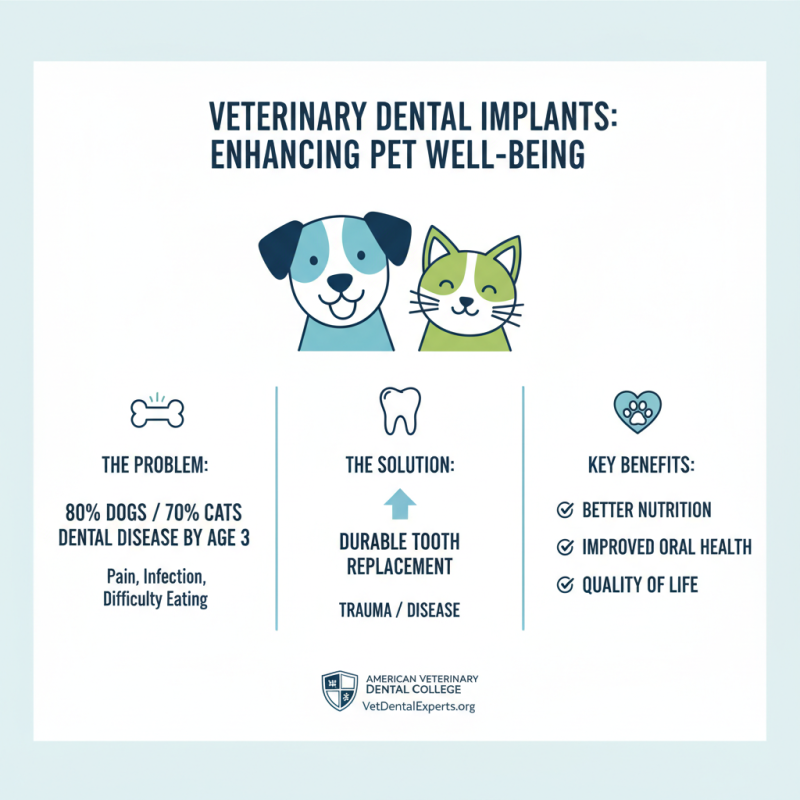
Veterinary dental implants have gained recognition for their myriad benefits, particularly in enhancing pets' overall well-being. According to the American Veterinary Dental College, approximately 80% of dogs and 70% of cats show signs of dental disease by the age of three. This alarming statistic underscores the importance of maintaining good oral health, as periodontal disease can lead to pain, infection, and difficulties in eating. Dental implants serve as a durable solution for pets that have lost teeth due to trauma or disease, thereby supporting better nutrition and quality of life.
In addition to their physical health benefits, dental implants can also significantly improve the psychological well-being of pets. A study conducted by the Journal of Veterinary Dentistry reported that animals suffering from dental issues often display behavioral changes, including increased anxiety and decreased social interaction. By restoring their ability to chew effectively and alleviating chronic pain, dental implants can help pets regain their confidence and enthusiasm for play and interaction with their owners. This holistic improvement in both physical and mental health demonstrates the vital role veterinary dental implants can play in fostering happier, healthier lives for our furry companions.
Potential Risks and Considerations in Veterinary Dental Implant Procedures
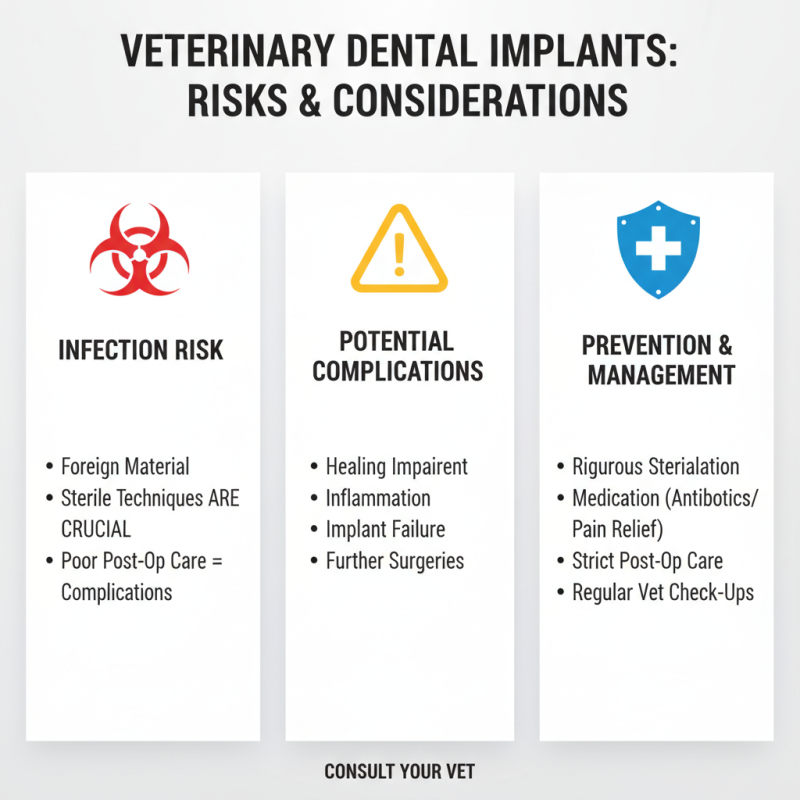
When considering veterinary dental implants for pets, it’s essential to be aware of the potential risks and considerations associated with the procedure. One significant concern is the possibility of infection at the implantation site. The introduction of foreign materials into the body can lead to complications if not managed with stringent sterile techniques. Proper post-operative care is crucial to minimize the risk of infections, which can hinder the healing process and lead to further complications.
Another important factor to consider is the age and overall health of the pet undergoing the procedure. Certain pre-existing health conditions may increase the risks associated with anesthesia or complicate the healing process. Veterinarians often perform thorough evaluations, including blood tests and imaging, to assess the pet’s suitability for dental implants. Additionally, pet owners should consider the financial implications, as these procedures can be costly and require follow-up appointments for monitoring and maintenance. Balancing the benefits of improved oral health against these potential risks is vital in making an informed decision regarding veterinary dental implants.
Post-Procedure Care and Maintenance for Dental Implants in Pets
Post-procedure care and maintenance for dental implants in pets is crucial for ensuring their long-term success and overall oral health.
After the procedure, pet owners should observe their pets for any signs of discomfort or complications
such as swelling, bleeding, or persistent pain.
It's important to follow the veterinarian's instructions carefully, which often includes administering
prescribed pain relief medications and possibly antibiotics to prevent infection. Regular check-ups
should be scheduled to monitor the implant site and to ensure that the healing process is progressing
as expected.
Maintaining proper oral hygiene is essential for pets with dental implants.
Owners should establish a routine that includes gentle brushing of their pet’s teeth with pet-safe toothpaste to
remove plaque buildup around the implant area. Additionally, incorporating dental chews or treats specifically
designed to promote oral health can be beneficial. It's also advisable to avoid hard or abrasive foods
that might jeopardize the integrity of the implants.
By prioritizing these care practices and being attentive to their pet's needs, owners can help ensure that
dental implants contribute positively to their pet's oral health for many years to come.