Top 5 Benefits of Veterinary Dental Implants for Pets?
Veterinary Dental Implants are emerging as a significant solution for pets needing dental restoration. According to the American Veterinary Dental College, dental diseases affect up to 80% of dogs and 70% of cats by age three. These numbers highlight the pressing need for effective treatments.
Veterinary Dental Implants stand out due to their ability to replace missing teeth and restore functionality. They prevent bone loss and improve oral health, which is crucial for overall wellbeing. However, not every pet may be a suitable candidate, and the procedure has inherent risks.
Despite advancements, many pets suffer from untreated dental issues. This emphasizes the importance of regular veterinary check-ups and owner awareness. As the field evolves, understanding the pros and cons of Veterinary Dental Implants becomes essential for pet owners.
Understanding Veterinary Dental Implants: An Overview for Pet Owners
Veterinary dental implants are becoming a popular choice for pet owners. These implants can significantly improve the quality of life for pets with severe dental issues. A recent study indicated that over 80% of dogs and cats experience dental disease by the age of three. This makes dental health a priority for pet owners.
Dental implants provide a stable solution for lost teeth due to trauma or periodontal disease. They help maintain the jaw's structure and allow pets to eat comfortably. However, not every pet is a good candidate. Pets with certain health conditions or younger pets may face challenges. A veterinary assessment is crucial.
The procedure involves placing a titanium post in the jawbone. Then, an artificial tooth is attached, providing function and aesthetics. According to research, about 90% of dogs and cats respond well to this treatment. Still, careful post-operative care is vital. Regular dental check-ups and good oral hygiene can help prolong the lifespan of these implants. Pet owners should remain informed and consult with their vets about the best options for their furry friends.
How Dental Implants Improve Your Pet's Oral Health and Functionality
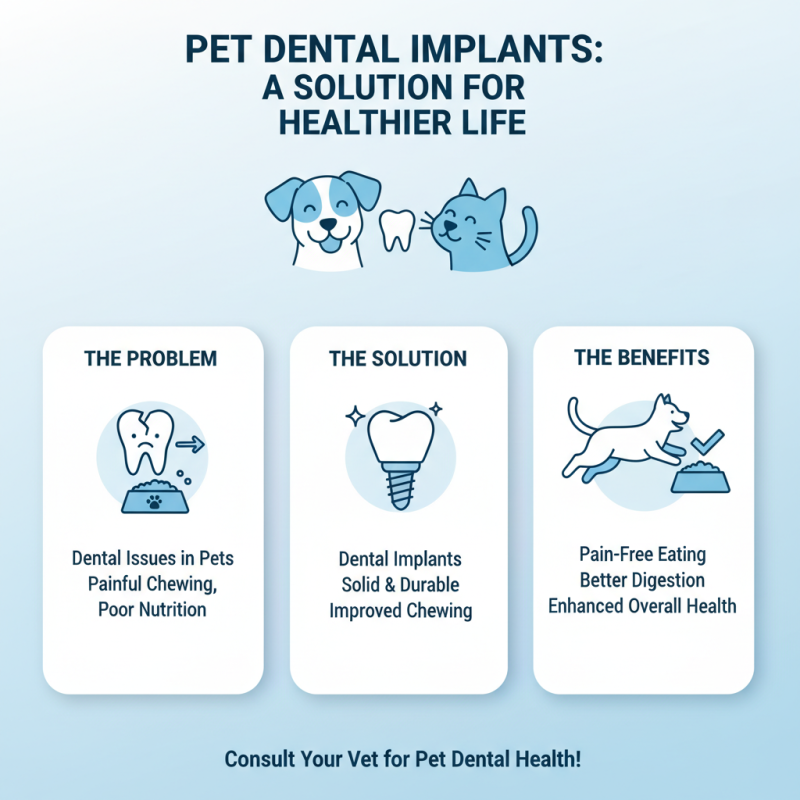
Pets, like humans, can suffer from dental issues. Dental implants provide a solid solution for these problems. They offer improved chewing ability, which is crucial for your pet’s nutrition. With strong implants, pets can enjoy their food without pain. This can lead to a healthier diet and better overall health.
Oral health significantly improves with dental implants. They reduce plaque buildup and minimize the risk of gum disease. Better oral hygiene means fewer vet visits for dental cleanings. This saves money and time for pet owners. Moreover, healthy teeth support your pet’s facial structure, preventing issues like sunken cheeks.
Tips: Regular dental check-ups are key. Monitor your pet’s eating habits closely; changes can indicate dental problems. Provide toys that promote dental health. Select the right chew items for improved gum strength. Keep an eye out for bad breath, which can signal underlying issues. Remember, a proactive approach ensures your pet’s long-term oral health success.
Enhanced Aesthetics: The Visual Benefits of Pet Dental Implants
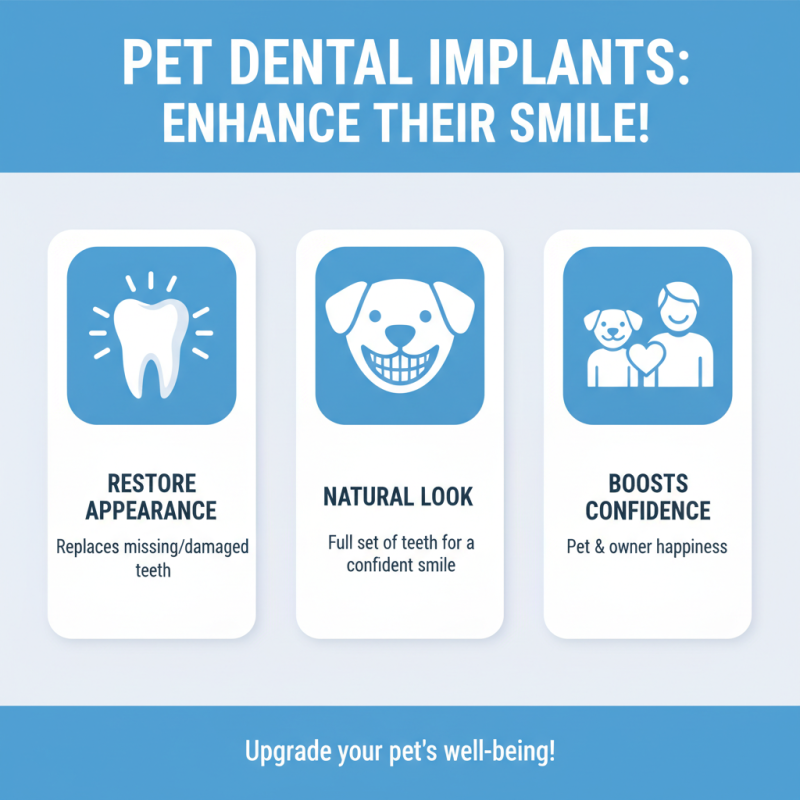
Pet dental implants can significantly enhance a pet's appearance. Many pets suffer from missing or damaged teeth. This can lead to a less attractive smile. With dental implants, pets regain their visual appeal. A full set of teeth allows for a more natural look. It boosts the confidence of both the pet and the owner.
The visual benefits of dental implants are considerable. Pets may feel more comfortable interacting with others. Their overall demeanor can improve dramatically. A bright smile draws attention. It shows that a pet is healthy and well cared for. However, it is essential to remember that the process can be complex. Not all pets may be suitable candidates due to health issues or age. Careful consideration is vital before proceeding.
The idea of a dental implant might seem perfect. But, there are challenges involved. Surgery carries risks, and recovery is not always smooth. Some pets might need extra time to adjust. Regular follow-ups are crucial to ensure success. Ultimately, while dental implants provide significant visual improvements, they require commitment from owners.
Long-Term Durability and Cost-Effectiveness of Veterinary Dental Implants
Veterinary dental implants offer a range of benefits that pet owners can appreciate, particularly regarding long-term durability and cost-effectiveness. These implants are designed to last many years, often outliving traditional dental solutions. A sturdy titanium post is embedded into the jaw, serving as a reliable anchor for a prosthetic tooth. This means pets enjoy improved functionality and comfort while chewing.
Maintenance is straightforward. Regular vet check-ups can help ensure the longevity of the implant. Cost-effectiveness becomes apparent when you consider the long-term use. While the initial investment may be higher, pets often endure fewer dental issues down the line. Thus, overall healthcare costs may decrease.
Remember these tips. Regular dental care is essential. Brush your pet's teeth often. Look for signs of discomfort. Address issues early to avoid costly procedures later. Discuss options with your veterinarian to understand the best fit for your pet’s needs. Implementing these practices will enhance your pet's quality of life and your peace of mind.
Top 5 Benefits of Veterinary Dental Implants for Pets
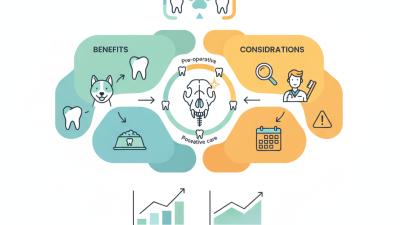
The chart above highlights the top 5 benefits of veterinary dental implants for pets, evaluated on a scale of 1 to 10. The benefits include long-term durability and better health as the top-rated aspects, illustrating the overall positive impact these implants have on pet care.
Emotional and Behavioral Improvements After Dental Implant Surgery in Pets
Dental implants for pets can lead to significant emotional and behavioral changes. After surgery, many pets show increased confidence. This boost can be seen in their playful nature and their willingness to engage with their surroundings. When pets are free from dental pain, they often display a renewed zest for life.
Pet owners frequently notice improved social interactions too. For instance, dogs may greet visitors enthusiastically. Cats might become more affectionate, seeking attention from their humans. These changes indicate happier pets. However, not all reactions are positive right away. Some pets may struggle with anxiety or confusion during recovery.
Taking care of a recovery pet adds a layer of responsibility. Owners must ensure a safe environment, monitor their behavior, and offer comfort. These challenges can lead to stress but also foster a deeper bond between pet and owner. Observing these emotional shifts can be a rewarding experience. Celebrating small victories along the way makes the journey worthwhile.