Pawsome-Specializing in vet health products since 2015

Inquiry
Form loading...
Pawsome-Specializing in vet health products since 2015
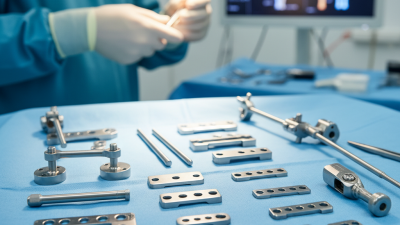
Choosing the best Veterinary Bone Plates from China requires more than comparing prices or polished product photographs. A reliable evaluation should examine plate design, material quality, manufacturing controls, and clinical suitability. Titanium alloy may offer a useful balance between strength and weight, while stainless steel can suit different surgical and budget requirements. The correct choice depends on the animal, fracture location, bone size, and expected loading.
A practical review should consider locking and compression options, screw compatibility, contouring flexibility, and surface finish. Imagine a small-dog tibial fracture: a bulky plate may irritate nearby tissue, while a narrow plate may lack adequate stability. Product dimensions must match real anatomy, not only catalogue drawings. Batch traceability, material certificates, fatigue-testing data, and sterilization guidance also deserve close attention. These details often reveal more than marketing language.
China has many capable orthopedic manufacturers, but quality can vary between factories and product lines. Buyers should request inspection records, sample plates, packaging photographs, and independent documentation where available. Communication matters too. Can the supplier explain tolerances clearly and respond to technical questions? That is a useful test. No plate is universally best. Veterinary surgeons should assess each case using radiographs, surgical experience, and established clinical protocols. A careful buyer may still miss something, especially when translated specifications seem incomplete. Therefore, this guide compares Veterinary Bone Plates through evidence, usability, manufacturing transparency, and after-sales support, rather than relying on a single ranking. Safety comes before convenience.
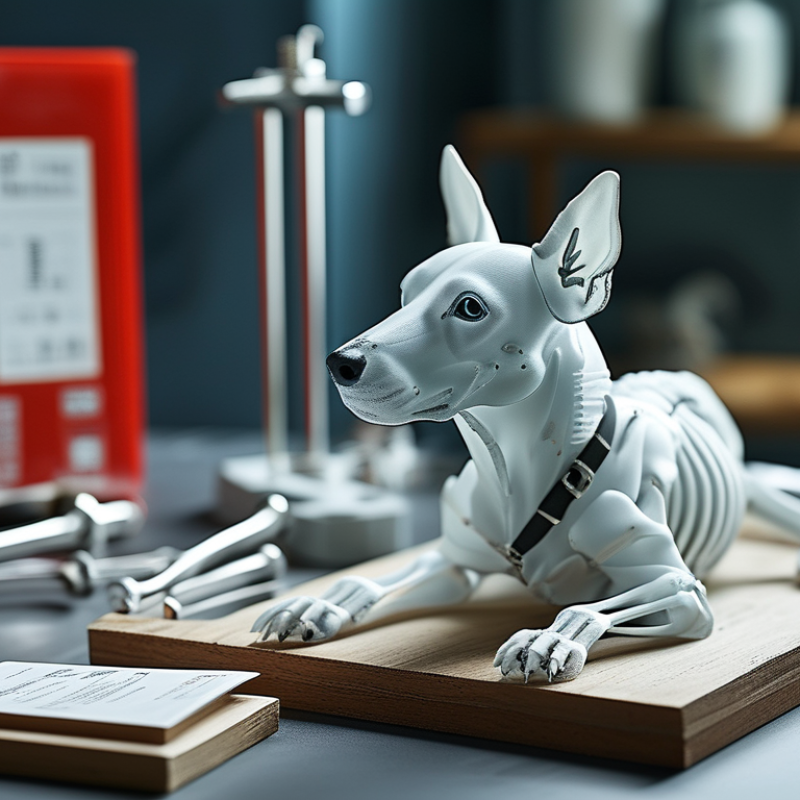
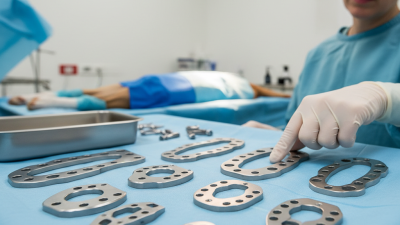
Veterinary bone plates are small implants that stabilize broken bones in dogs, cats, horses, and other animals. Surgeons place them along the bone and secure them with specialized screws. The plate holds the fracture steady while new bone forms. Some plates compress the fracture line. Others lock the screws into threaded holes for added stability.
The correct plate depends on the animal’s size, bone shape, fracture pattern, and activity level. A veterinarian usually studies radiographs before choosing the length, thickness, and screw position. During surgery, the team protects soft tissue and maintains strict sterile technique. Plates made from surgical stainless steel or titanium are commonly considered because they offer strength and tissue compatibility. For products manufactured in China, buyers should review material certificates, dimensional testing, sterilization instructions, and traceability records.
Fit matters greatly. A plate that is too stiff may affect natural bone loading, while a weak plate can bend or fail. That risk is easy to underestimate. Postoperative imaging helps confirm alignment and implant position. The animal may also need restricted movement, controlled rehabilitation, and regular wound checks. In my view, implant selection should never depend on price alone. Even excellent hardware cannot correct poor fracture assessment or careless aftercare. Some cases still require revision, because healing is biological and never completely predictable.
| Evaluation Dimension | Veterinary Bone Plate Type or Feature | What It Is | Typical Veterinary Use | Key Advantages | Important Selection Considerations |
|---|---|---|---|---|---|
| Basic Function | Bone fixation plate | A contoured metal implant secured to bone with screws to stabilize a fracture and maintain alignment during healing. | Fractures of the limbs, pelvis, mandible, and other bones in small and large animals. | Provides structural support, helps preserve fracture alignment, and can reduce movement at the fracture site. | Selection should be based on the animal's size, bone anatomy, fracture pattern, expected loading, and the surgeon's fixation plan. |
| Common Material | Implant-grade stainless steel | A strong corrosion-resistant metal commonly used for veterinary orthopedic plates and screws. | Routine fracture fixation where high strength and cost efficiency are important. | High strength, established clinical use, easy availability, and compatibility with many standard screw systems. | It is less similar to bone in elastic behavior than titanium and may create more imaging artifact than some alternatives. |
| Common Material | Titanium or titanium alloy | A biocompatible metal with a favorable strength-to-weight ratio and elastic properties closer to bone than stainless steel. | Fracture fixation in dogs, cats, and other animals, especially when reduced implant weight or imaging compatibility is desirable. | Good biocompatibility, corrosion resistance, lower density, and generally less magnetic susceptibility than stainless steel. | Material compatibility should be considered when combining plates and screws; the complete implant system should follow the manufacturer's instructions. |
| Plate Design | Conventional compression plate | A plate that can provide compression across a fracture when screws are placed using the plate's compression holes and an appropriate technique. | Simple transverse or short-oblique fractures where controlled interfragmentary compression is appropriate. | Can improve fracture stability and promote close contact between suitable fracture surfaces. | Compression is not appropriate for every fracture; excessive compression or soft-tissue disruption can compromise the biological environment. |
| Plate Design | Locking compression plate | A plate used with locking screws that thread into the plate, creating a fixed-angle construct. | Comminuted fractures, osteoporotic bone, metaphyseal regions, and situations requiring angular stability. | Maintains screw angulation, can function as a bridging construct, and may reduce the need for intimate plate-to-bone contact. | Correct screw position, plate contour, working length, and construct stiffness are essential for successful fixation. |
| Plate Design | Reconstruction plate | A plate designed to be contoured in more than one plane to match complex bone anatomy. | Mandibular, pelvic, and other anatomically irregular fractures. | Useful for adapting fixation to curved or uneven bone surfaces. | Repeated or excessive bending can weaken the plate; contouring should follow the system's approved technique. |
| Plate Design | Limited-contact plate | A plate shaped to reduce the area of direct contact between the implant and the outer bone surface. | Fractures where preservation of periosteal blood supply is an important surgical objective. | May reduce disruption of the bone's external blood supply compared with broad full-contact designs. | It still requires correct fixation technique, adequate screw purchase, and appropriate protection from excessive loading. |
| Plate Design | Reconstruction or mini plate system | A smaller, lower-profile plate system intended for smaller bones or regions where soft-tissue coverage is limited. | Small animal distal limbs, maxillofacial fractures, and selected toy-breed or juvenile cases. | Lower profile and adaptable dimensions can help fit smaller anatomical structures. | Its load capacity is lower than that of larger systems; implant size must match the expected mechanical demand. |
| Screw Compatibility | Non-locking cortical or cancellous screws | Screws that obtain stability through purchase in the bone and the plate without locking into the plate. | Compression fixation, neutralization constructs, and areas with suitable cortical or cancellous bone. | Can provide interfragmentary compression or plate-to-bone fixation when used correctly. | Screw diameter, thread design, length, and the quality of bone purchase must be appropriate for the patient. |
| Screw Compatibility | Locking screws | Screws with a threaded head that engages the plate hole to form a fixed-angle connection. | Bridging fixation, fractures with poor screw purchase, and constructs where angular stability is desired. | Reduces the risk of screw pullout from the plate and supports stable fixation in challenging bone conditions. | Locking screws do not automatically compress the fracture; reduction and construct design remain essential. |
| Sizing | Plate length and screw-hole selection | Dimensions selected according to bone length, fracture location, patient size, and the planned number and distribution of screws. | All fracture fixation procedures. | Appropriate length and screw distribution can improve load sharing and reduce stress concentration. | There is no universal plate size. The surgeon should evaluate bone diameter, available purchase, fracture stability, and soft-tissue coverage. |
| Clinical Application | Bridging fixation | A technique in which the plate spans a comminuted fracture zone without attempting to compress every fragment. | Highly comminuted fractures where preservation of blood supply and indirect reduction are priorities. | Can protect intermediate fragments and support biological fracture healing. | Plate working length, screw spacing, limb alignment, and protection from premature overloading must be carefully planned. |
| Clinical Application | Neutralization fixation | A plate used to protect an underlying lag screw or other primary fixation from bending and rotational forces. | Long-oblique or spiral fractures treated with interfragmentary compression. | Combines fracture compression with additional resistance to bending and torsion. | The primary compression method must be stable before the neutralization plate is applied. |
| Quality and Safety | Manufacturing and documentation | Includes material traceability, dimensional control, surface quality, sterilization guidance, and clear surgical instructions. | Evaluation of any veterinary orthopedic implant system. | Supports consistent implant performance and helps the surgical team select and use components correctly. | Review applicable regulatory documentation, biocompatibility information, mechanical testing, packaging integrity, and instrument compatibility. |
| Postoperative Management | Restricted activity and follow-up imaging | Controlled rehabilitation and radiographic monitoring used to assess alignment, implant integrity, and fracture healing. | After plate fixation until clinical and radiographic healing is confirmed. | Helps limit excessive loading and allows complications such as loosening, breakage, infection, or delayed union to be identified. | Recovery time varies with species, age, fracture type, fixation stability, and healing response; veterinary follow-up is essential. |
| Best-Choice Criteria | Overall suitability | The most appropriate plate is the one that matches the patient's anatomy, fracture mechanics, implant material needs, and the surgeon's technique. | Comparison of veterinary bone plates manufactured in China or elsewhere. | Focuses evaluation on objective factors rather than brand names alone. | Consider verified material grade, plate and screw compatibility, dimensional accuracy, quality control, documentation, clinical support, and regulatory compliance. |