Top 10 Best Veterinary Implants to Enhance Pet Health and Recovery?
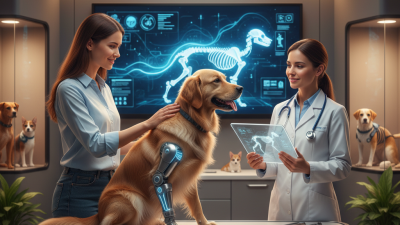
Veterinary implants play a crucial role in improving pet health and recovery. These medical devices aid in various treatments, from orthopedic repairs to dental needs. For many pets, the right implant can mean the difference between a painful existence and a life filled with joy.
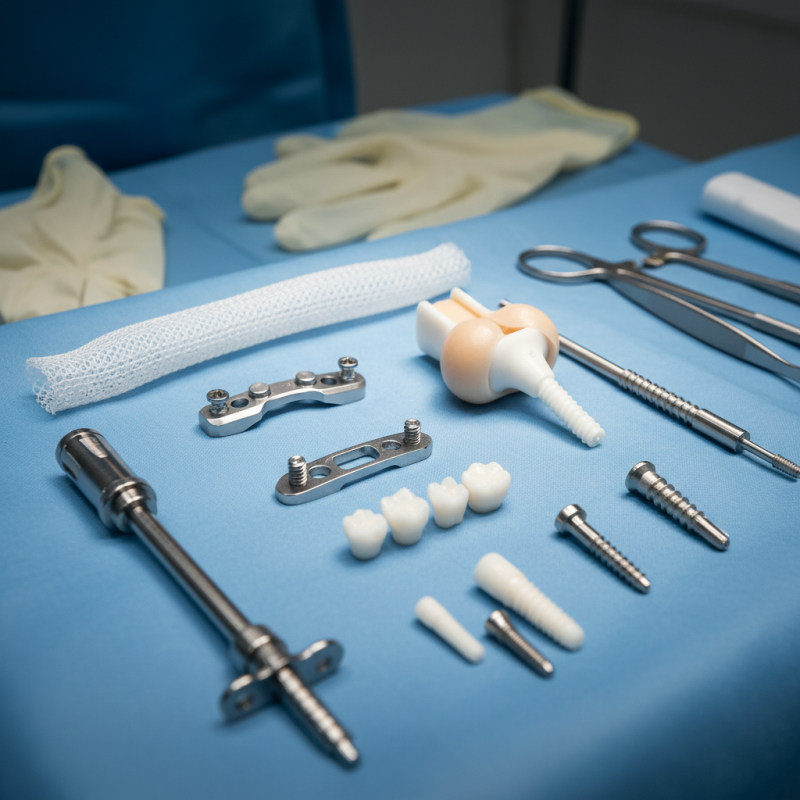
Choosing the best veterinary implants often involves careful consideration. Each type serves a unique purpose. For instance, bone plates can stabilize fractures, while dental implants offer a solution for missing teeth. However, not all implants are suitable for every animal. Decisions must be tailored to individual needs, which can be challenging.
Pet owners may feel overwhelmed by the options available. It’s essential to consult with a veterinarian to find the best fit. Each implant has its benefits and drawbacks. The aim should be to enhance recovery while ensuring the overall well-being of the pet. Understanding veterinary implants is the first step toward making informed choices that benefit both pets and their owners.
Overview of Veterinary Implants and Their Importance for Pets
Veterinary implants play a crucial role in improving pet health and recovery. These medical devices can support bone healing, stabilize joints, and even help restore mobility. According to a recent study, the global veterinary implant market is projected to reach $1.5 billion by 2025. This substantial growth highlights the increasing reliance on advanced technologies in veterinary care.
The use of implants also raises important considerations. While many pets benefit from these procedures, complications can occur. A report indicated that approximately 10% of pets may experience post-operative infections related to implants. This statistic underscores the need for careful monitoring and follow-up. Pet owners must be aware of potential risks and have open conversations with their veterinarians about the best options.
Technological advancements have made implants more effective and safer. Today's materials can integrate better with bone and soft tissues. Still, not all procedures may yield perfect outcomes. Some pets may face challenges in adapting to their new implants. It's essential for pet owners to remain engaged in their pet's recovery journey. Comprehensive rehabilitation and regular check-ups can significantly enhance the healing process.
Top 10 Best Veterinary Implants to Enhance Pet Health and Recovery
| Implant Type |
Main Use |
Material |
Recovery Benefit |
Estimated Lifespan |
| Bone Plate |
Fracture Repair |
Titanium |
Stabilizes fractures, promotes healing |
10-15 years |
| Screw |
Joint Stabilization |
Stainless Steel |
Improves joint function |
10 years |
| Dental Implant |
Tooth Replacement |
Titanium |
Restores chewing function |
15 years |
| Prosthetic Limb |
Limb Loss |
Plastic, Titanium |
Restores mobility |
5-10 years |
| Hemostatic Clip |
Surgical Sites |
Polymer |
Controls bleeding |
N/A (absorbable) |
| Ear Transplant |
Ear Deformity |
Silicone |
Restores ear shape |
5-10 years |
| Spinal Implant |
Spinal Stabilization |
Titanium |
Provides spinal support |
10-20 years |
| Artificial Joint |
Arthritis Treatment |
Metal, Plastic |
Restores joint function |
15 years |
| Stent |
Vascular Support |
Metal, Polymer |
Maintains vessel patency |
5-10 years |
| Ocular Implant |
Eye Injury |
Silicone |
Restores vision function |
5-10 years |
Types of Veterinary Implants Commonly Used in Animal Care
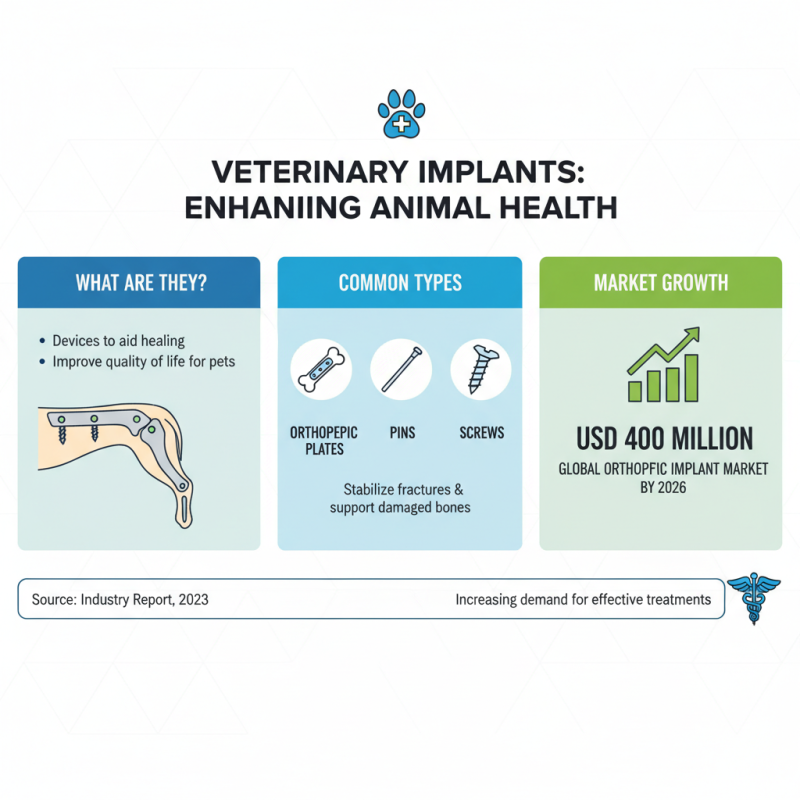
Veterinary implants play a crucial role in modern animal healthcare. These devices are designed to enhance the healing process and improve the quality of life for pets. Common types of veterinary implants include orthopedic plates, pins, and screws. These are used to stabilize fractures and support damaged bones. According to a recent industry report, the global veterinary orthopedic implants market is projected to grow significantly, reaching USD 400 million by 2026. This growth reflects the increasing demand for effective treatment options in veterinary medicine.
Another popular category involves dental implants. They help restore the function and aesthetics of pets’ teeth. Dental health is often overlooked, but it significantly impacts overall health. Poor dental hygiene can lead to systemic issues. A report by the American Animal Hospital Association highlights that around 80% of dogs and 70% of cats show signs of dental disease by age three. This statistic underscores the importance of dental implants in veterinary care.
While the benefits are clear, there are challenges as well. Surgical procedures involving implants come with risks. Infection and rejection of the implant are concerns. Not all pets are ideal candidates. Each case requires careful assessment by veterinary professionals. Ongoing research continues to improve implant technology. However, pet owners should remain informed about the potential pitfalls of surgery.
Factors to Consider When Choosing Veterinary Implants for Pets
Choosing the right veterinary implants for pets requires careful thought. Begin by considering the material. Common choices include titanium and polymers. Each has advantages and disadvantages. Titanium is strong but can cause reactions. Polymers are lighter, yet less durable. It's crucial to weigh these factors against your pet's specific needs.
Next, the type of surgery matters greatly. The complexity of the procedure can affect the implant's success. Some surgeries may involve a high risk of infection. This can compromise healing. Consult your vet about the specific risks involved. Implants are not a one-size-fits-all solution. They require an understanding of the pet's health status.
Finally, think about your pet’s size and age. Smaller pets may require miniaturized implants. Older pets might have different recovery needs. It’s essential to also consider your own ability to manage aftercare. Recovery isn't just about the surgery; it’s about ongoing care and attention. Balancing these factors can be daunting. Reflect on all aspects before making a decision.
Top 10 Veterinary Implants and Their Specific Health Benefits
Veterinary implants play a crucial role in enhancing pet health and aiding recovery. These devices are designed to facilitate healing in various medical contexts. For example, joint implants provide support for pets suffering from arthritis. They can restore mobility and relieve pain, making life more comfortable for your furry friend.
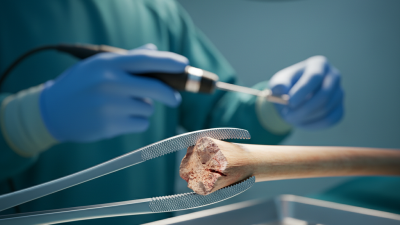
Bone plates and screws are another vital option. Used during fracture repairs, they promote faster healing of broken bones. These implants help maintain proper alignment, ensuring your pet regains full function. While the surgery can be intimidating, the benefits are hard to ignore.
Some may wonder about the complexity of these procedures. Recovery sometimes takes time, and not all pets heal at the same rate. There might be complications or additional care needed. However, the advances in veterinary medicine bring hope. With proper implementation, these implants can significantly improve your pet's quality of life. Each case requires careful consideration by a veterinarian to ensure the best outcomes.
Post-Implant Care and Recovery Strategies for Pets
Post-implant care plays a crucial role in enhancing pet health and ensuring a smooth recovery process. According to a report from the American Veterinary Medical Association, proper post-operative care can reduce complications in up to 80% of cases. Pet owners must be vigilant during this phase. Monitoring your pet's incision site is essential. Look for swelling or discharge, which could indicate infection.
Feeding schedules might change after surgery. Many pets lose their appetite initially. Offering small, frequent meals can encourage eating. Hydration is also vital, as it aids healing. A study from the Journal of Animal Science suggests that adequate hydration improves recovery rates significantly. Introducing a quiet, cozy space fosters relaxation, reducing stress during the recovery period.
Physical activity must be limited to promote proper healing. Short, gentle walks can be beneficial, but avoid strenuous play. The recovery environment should be safe. Sometimes pets can be anxious or restless, which can hinder healing. Utilize calming aids, if necessary, to ease their discomfort. Reflect on your pet’s behavior and adjust the care routine as needed. Monitoring changes can lead to a more comfortable recovery experience, ensuring that they return to their lively selves sooner.
Top 10 Best Veterinary Implants to Enhance Pet Health and Recovery
This chart illustrates the effectiveness of various veterinary implants in improving pet health. Each implant type showcases a percentage indicating its contribution to recovery and health enhancement.