What is a Bone Curette and How is it Used in Surgery?
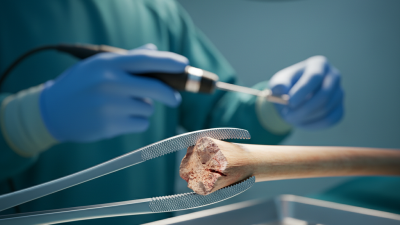
The Bone Curette is a critical tool in orthopedic and surgical procedures. This instrument allows surgeons to scoop out pathological tissues and aid in bone repair. According to the American Academy of Orthopaedic Surgeons, effective bone harvesting techniques are essential for successful surgical outcomes. Demand for precise instruments has increased as surgeries become more advanced.
Understanding the use and function of a Bone Curette is vital. This tool comes in various sizes and shapes, allowing versatility in different procedures. Surgeons often face challenges in effectively using these instruments. Success rates can vary based on experience and technique. Reports indicate that proper training is necessary to improve efficacy and reduce complication rates.
In an evolving field, discussions about the best practices for using the Bone Curette continue. Innovations in surgical tools and techniques are crucial. Cases have shown that when mishandled, such instruments can lead to unintended damage. Continuous education and training can enhance surgical skills, ensuring tools like the Bone Curette are used effectively without unnecessary risks.
Definition and Overview of Bone Curette
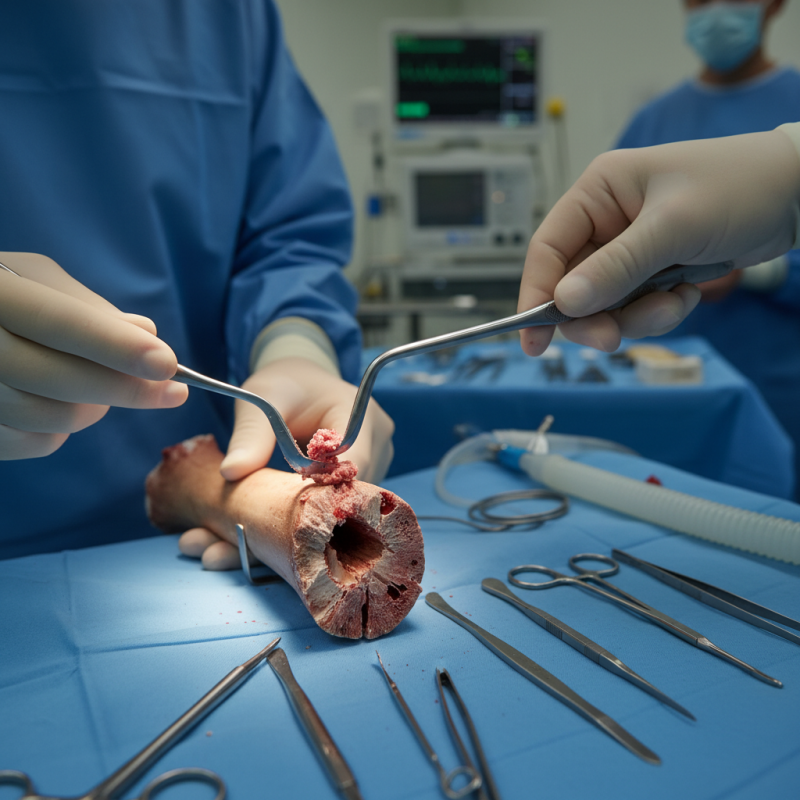
A bone curette is a surgical instrument designed for scraping or removing tissue from bone. It typically features a spoon-shaped tip. This design allows surgeons to access hard-to-reach areas effectively. The bone curette is essential for various procedures, particularly in orthopedic and neurosurgery.
Using a bone curette requires precision. Surgeons must apply the right amount of pressure. Too much force can damage surrounding tissues. The handle allows for a comfortable grip, ensuring better control during procedures. This instrument is especially useful in cases of tumors or bone infections.
Tips: Always ensure the curette is sharp. Dull tools can lead to complications. Practice makes perfect; repetition can improve technique. Additionally, maintaining a sterile environment is crucial to prevent infections during surgery. Remember, even small mistakes can have significant consequences.
Types of Bone Curettes and Their Specific Uses
Bone curettes are specialized surgical tools used to scrape or remove tissue and bone. They come in various types, each designed for specific functions in orthopedic or reconstructive procedures. The design allows them to reach tight spaces, a necessary feature in many surgeries. For example, some curettes have sharp edges for cutting tissue, while others may be smoother to avoid damaging surrounding areas.
One common type is the ring curette. It has a circular blade at the tip, ideal for removing bone fragments in a controlled manner. Another type, the scoop curette, resembles a small spoon, perfect for collecting debris or samples without excessive trauma. In surgeries involving joint repairs, these curettes are essential. They help in cleaning up damaged areas to promote healing. However, improper use can lead to complications. Surgeons need training to handle these instruments effectively.
Using a curette is not without risks. There is a chance of over-resection or unintentional damage. This emphasizes the importance of precision and skill during surgery. Each procedure must be approached thoughtfully, with a good understanding of the anatomy. Only through practice can a surgeon master the art of using a bone curette effectively. The right technique can significantly influence recovery and overall outcomes.
Surgical Techniques Involving Bone Curettes
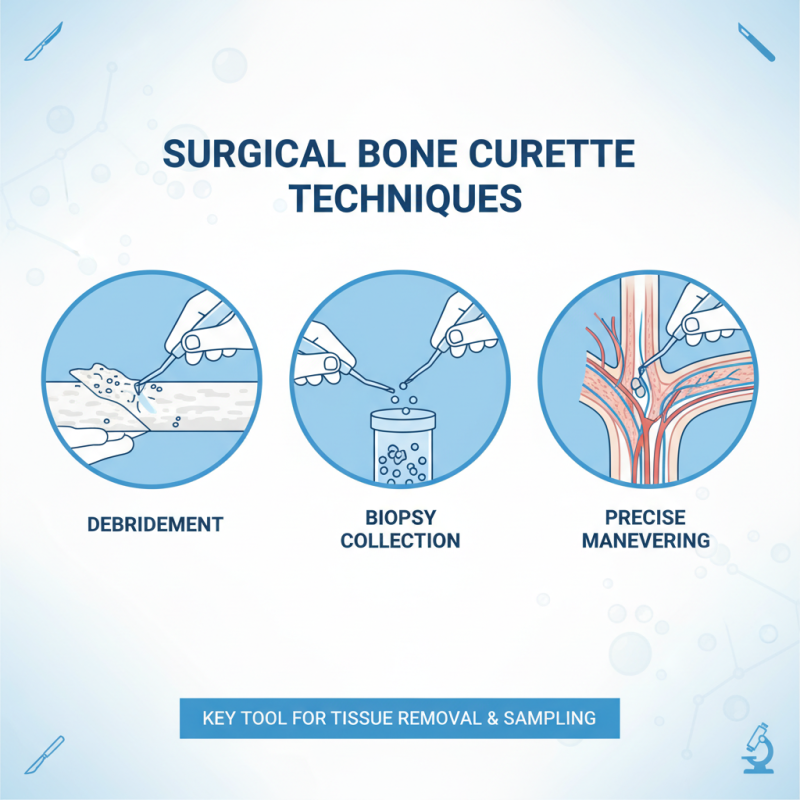
Bone curettes are essential tools in various surgical techniques. These instruments feature a sharp, scooped end designed to scrape away bone tissue. Surgeons often use them for debridement and to collect samples for biopsies. The precise shape allows for careful maneuvering, especially in delicate areas.
In orthopedic surgery, bone curettes facilitate the preparation of bone surfaces for grafting. They help in the removal of unhealthy tissue while preserving surrounding structures. However, using a curette requires great skill. An inexperienced hand can lead to excessive removal or damage. Surgeons must remain vigilant and mindful throughout the procedure.
In some cases, however, identifying the correct depth can be challenging. Overzealous scraping can risk complications. Finding the right balance is crucial. The surgical team must communicate effectively and adapt techniques as necessary. Each procedure is unique, and reflection on past experiences can improve future outcomes.
Post-Operative Care and Considerations After Using a Curette
Post-operative care after using a bone curette is critical for optimal recovery. Patients often experience discomfort in the first few days. Pain management should be a priority, often utilizing over-the-counter medication. According to a report by the American Academy of Orthopaedic Surgeons, nearly 30% of patients report significant post-operative pain in the first week. Ensuring timely communication with healthcare providers can aid in adjusting pain relief strategies swiftly.
Wound care is equally essential after a procedure involving a curette. Keeping the surgical site clean minimizes the risk of infection. The Surgical Infection Society states that post-surgical infections occur in about 5% of cases. Regular inspections of the wound can catch early signs of complications. Patients should attend follow-up visits as scheduled. Missing these can lead to delayed healing or exacerbation of any issues. Encourage patients to be proactive in reporting unusual symptoms or changes.
Physical activity must also be limited during recovery. Strenuous movements can jeopardize healing.
Gradual reintroduction of activity helps restore strength and mobility. However, many patients find it hard to adhere to rest guidelines. This requires constant self-reflection and awareness of one’s physical limits.
Balancing rest and gradual activity is necessary for optimal recovery.
Potential Complications and Risks Associated with Bone Curettes
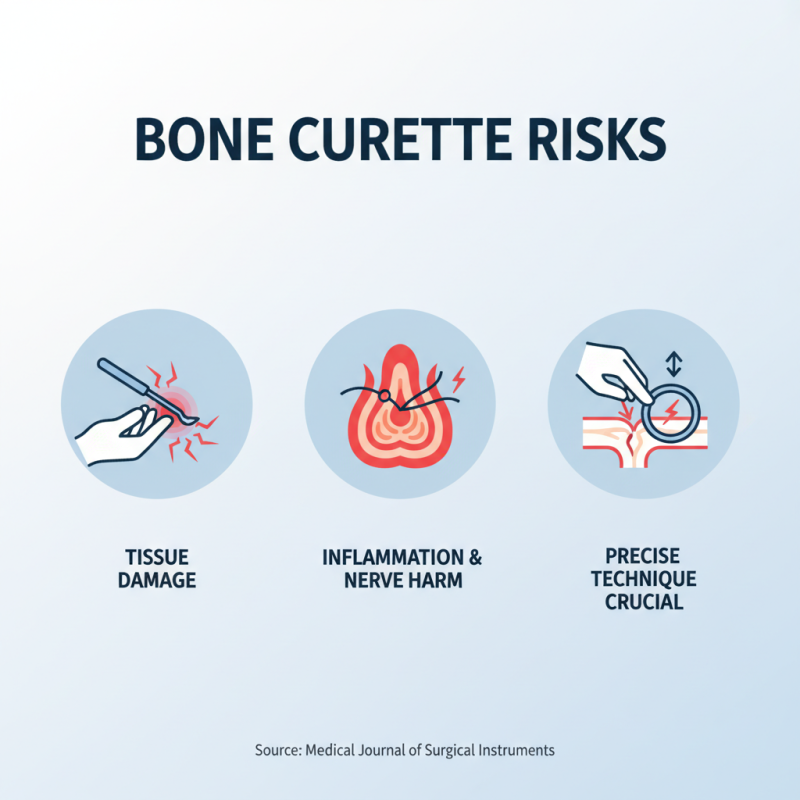
Bone curettes are essential surgical instruments used to scrape or remove tissue from bones. While effective, their use carries potential complications and risks that surgeons must consider. One common issue is the risk of damaging surrounding tissues. This can lead to inflammation or even nerve damage. As a result, careful technique is crucial during the procedure.
Infection is another serious concern. The opening created by a curette can become a pathway for bacteria. Surgeons must take precautions, like using sterile equipment and proper wound care. Additionally, there’s always a chance of incomplete removal of bone or tissue. This can necessitate further surgeries, adding to the patient’s recovery time and emotional toll.
Though bone curettes are vital, understanding their risks is essential. Surgeons need experience and training to minimize these complications. Every procedure carries uncertainties. Awareness and preparation can lead to better outcomes in surgical practice.