How to Choose the Best Veterinary Dental Implants for Your Pet?
Veterinary Dental Implants are becoming increasingly important in pet health care. According to recent statistics, around 80% of dogs and 70% of cats suffer from dental diseases by the age of three. These issues not only affect their oral health but can also lead to systemic problems. Choosing the right dental implants can significantly impact a pet’s quality of life.
Innovations in veterinary medicine have made dental implants more accessible. Numerous studies indicate that implant success rates are around 90-95% in veterinary applications. However, with various options available, pet owners may struggle to select the best solution. It's crucial to consider factors such as material quality, the expertise of the veterinarian, and post-operative care.
Some pet owners may rush the decision. This can lead to suboptimal outcomes. It's essential to do thorough research. Ensure that the veterinary clinic has the necessary certifications and experience. Investing time in understanding the best practices in Veterinary Dental Implants can pay off in the long run. Your pet deserves the best care possible.
Understanding Veterinary Dental Implants: Types and Benefits
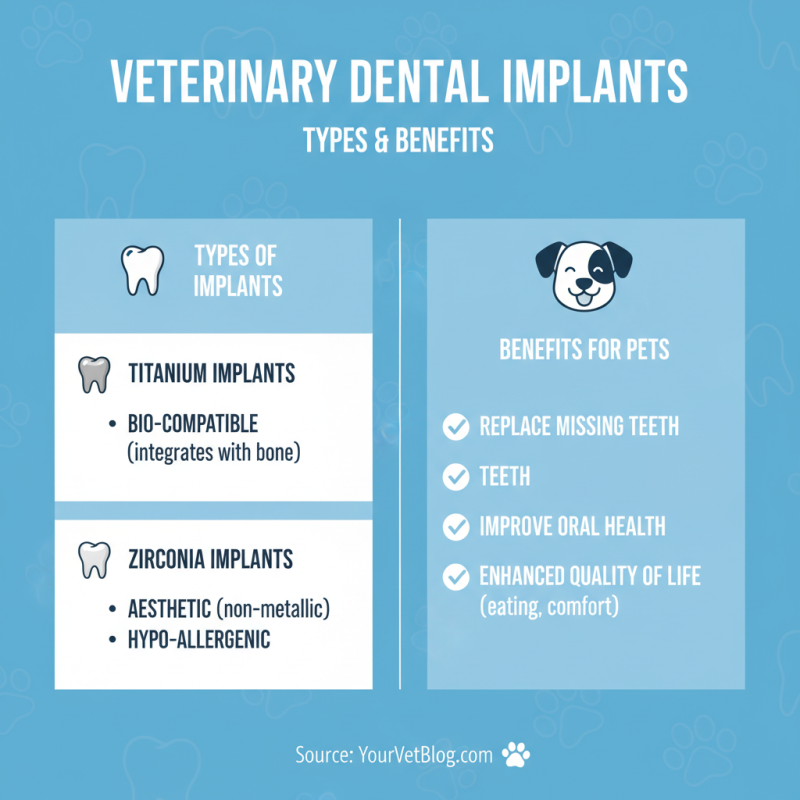
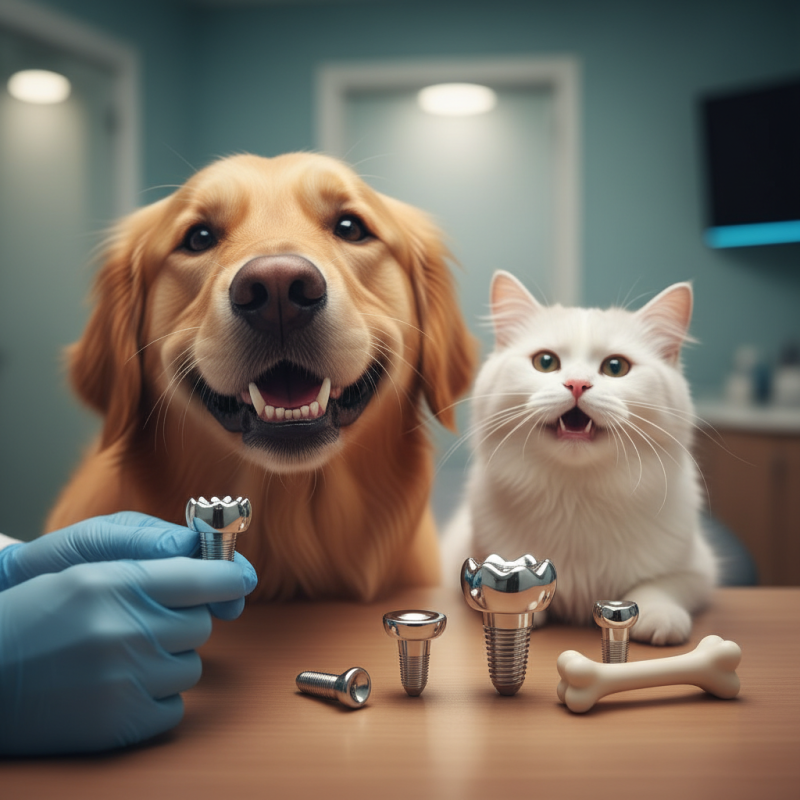
Veterinary dental implants can be a life-changing option for pets with dental issues. These implants replace missing teeth and improve the overall quality of life. It’s essential to understand the different types available. Titanium implants are popular due to their strength and compatibility with bone. Zirconia implants offer a great aesthetic option without metallic appearance.
Consider the benefits when thinking about these implants. They can enhance chewing function, leading to better nutrition. Improved dental health can also reduce infections. It’s crucial to consult with a veterinarian who specializes in dental procedures. Not all pets may be suitable candidates for implants. Age, health status, and dental history will influence the decision.
**Tips:** Research various types of implants before making a decision. Take note of your pet’s specific needs. Follow up with regular dental check-ups. These visits can ensure the longevity of the implants and address any complications promptly. It’s also necessary to reflect on the potential challenges. Every pet is unique, and what works for one may not work for another.
Evaluating Your Pet’s Specific Dental Needs and Conditions
When choosing veterinary dental implants, understanding your pet's specific dental needs is crucial. Each pet has unique conditions. Consider their age, size, and breed. Older pets may have weakened bones. Smaller breeds might need more delicate procedures. Look for signs of discomfort or pain in your pet’s mouth. Redness, swelling, or reluctance to chew are red flags. Regular dental check-ups can help identify potential issues early.
Evaluating the health of your pet's teeth is essential. Consult your veterinarian to assess the condition of existing teeth and gums. They may recommend X-rays to understand bone structure. This insight is key for successful implant placement. Think about your pet's overall health too. Certain health conditions could complicate procedures. Always weigh the risks and benefits. A well-informed decision ensures the best outcome for your furry friend. Remember, it’s normal to feel unsure. Taking the time to reflect on these aspects will help guide you in your choices.
Evaluating Veterinary Dental Implants: Pet Dental Health Needs
Choosing a Qualified Veterinarian for Dental Implant Procedures
Choosing the right veterinarian for dental implant procedures is crucial. Many pets suffer from dental issues that can lead to severe health problems. According to the American Veterinary Medical Association, nearly 80% of dogs and 70% of cats show signs of dental disease by the age of three. This statistic is alarming and highlights the need for effective treatment options, such as dental implants.
When searching for a qualified veterinarian, consider their experience with dental procedures. Not all veterinarians specialize in dentistry. Look for those who have completed additional training in veterinary dentistry. The Veterinary Dental Forum indicates that only about 10% of veterinarians are certified by the American Veterinary Dental College. Choosing a highly trained professional can significantly enhance the quality of care your pet receives.
Another aspect to consider is the veterinarian’s facility. The presence of advanced imaging technology, like digital X-rays, can make a big difference in diagnosis and treatment planning. Additionally, ensure that the clinic is clean and well-organized. You may notice some clutter, which could indicate a busy practice. While hustle can signify demand, it’s important to balance that with a systematic approach to patient care. Always ask about the protocols they follow for dental procedures and anesthesia safety. This research might take time, but it’s vital for your pet’s health.
Post-Operative Care and Maintenance for Dental Implants in Pets
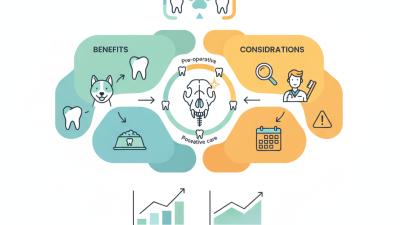
After your pet undergoes dental implant surgery, proper post-operative care is crucial. The first few days are vital. Monitor your pet closely for any signs of discomfort. Difficulty eating or excessive drooling may indicate a problem. Keep the area clean to prevent infections.
Tips: A soft diet is recommended initially. Consider feeding your pet moist food. This can help prevent strain on the dental implants. It's also important to keep your pet calm. Limit vigorous activities during recovery.
Regular follow-ups with the veterinarian are essential. These visits allow for monitoring the healing process. Ask about the right dental hygiene practices. Tooth brushing may be advised, but do it gently.
Tips: Introduce any dental care gradually. This helps your pet adjust comfortably. Choose a toothbrush designed for pets. Always use pet-safe toothpaste. Over time, your pet will adapt, but patience is key.
How to Choose the Best Veterinary Dental Implants for Your Pet? - Post-Operative Care and Maintenance for Dental Implants in Pets
| Criteria |
Details |
| Material |
Titanium is the preferred material due to its biocompatibility. |
| Size |
Select an implant size that fits the pet’s jaw structure. |
| Post-Operative Care |
Follow the veterinarian’s instructions, including pain management and monitoring for infection. |
| Maintenance |
Regular dental check-ups and proper oral hygiene practices are necessary. |
| Longevity |
Dental implants can last many years with proper care. |