Pawsome-Specializing in vet health products since 2015
Choosing the best Wire Cutter Scissors in 2026 requires more than comparing prices or polished product photos. The right pair should match your wire type, cutting frequency, hand size, and working environment. Copper, aluminum, floral wire, and thin craft wire each respond differently under pressure. A tool that feels smooth on 20-gauge wire may struggle with thicker electrical conductors.
According to tool engineer Michael R. Cohen, “A good wire cutter should make a clean cut without making your hand fight the tool.” That principle matters during real work. Look closely at the blade material, cutting edge design, handle shape, and spring action. Hardened carbon steel usually supports repeated cutting, while precision-ground edges can reduce crushed insulation and uneven ends. Flush cutters create cleaner results for electronics and jewelry. Angled cutters may offer better access inside crowded spaces. Small details matter.
Your hand will notice.
This guide compares the features that deserve attention before purchase. It also considers comfort after dozens of cuts, not just the first five minutes. Rust resistance, locking mechanisms, return springs, and grip texture can affect daily reliability. Still, no tool is perfect. Some lightweight models feel comfortable but lack strength. Heavy-duty options may last longer but cause fatigue during delicate work. Personal preference remains important, and I have sometimes chosen a less powerful cutter because it gave better control. Test the tool on suitable scrap wire whenever possible. A clean cut, steady grip, and controlled movement are stronger evidence than marketing claims.
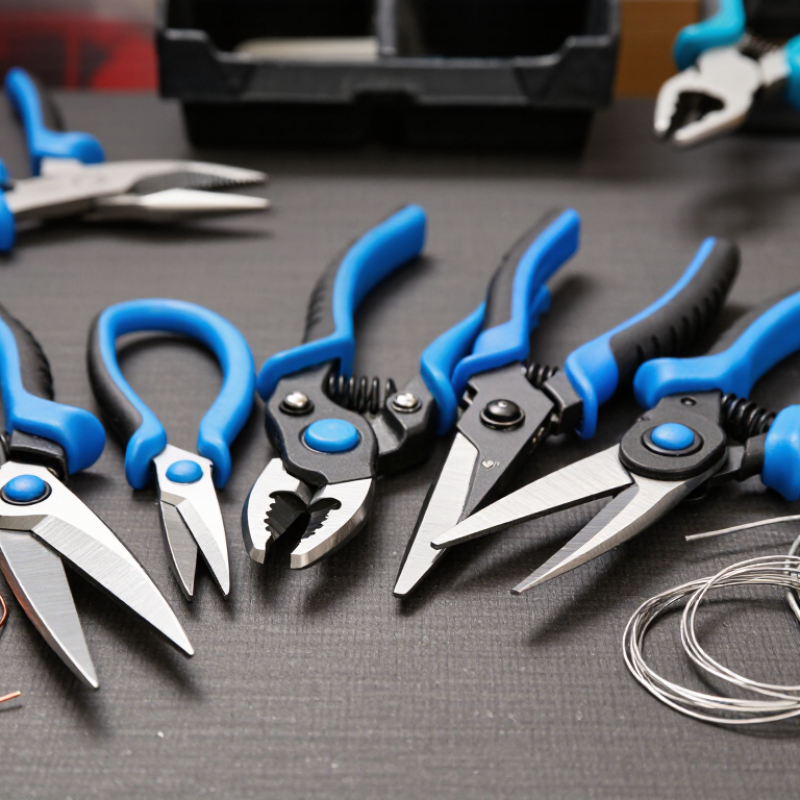
How to Choose the Best Wire Cutter Scissors in 2026?
Wire cutter scissors combine cutting edges with a scissor-style grip. They are built for controlled trimming, not every cable job. Common uses include copper wire, floral wire, craft wire, cable ties, and thin electronic leads. In a workshop, the difference is visible: a clean cut leaves a flat end, while a dull blade crushes insulation and splays strands. Never cut energized wiring. The U.S. Bureau of Labor Statistics continues to identify hand tools as a source of workplace injuries, making grip control and safe handling important.
Demand also reflects wider electrical activity. Grand View Research valued the global wire and cable market at about $216.6 billion in 2022. It projects roughly 4.2% annual growth from 2023 to 2030. That report does not measure scissors directly. Still, it shows why dependable small cutting tools matter across installation, repair, electronics, and maintenance work.
Choose a cutter according to material thickness and frequency. Hardened stainless steel suits repeated craft and light electrical work. A spring return reduces hand fatigue. Serrated jaws can hold slippery wire, but they may mark soft insulation. Check the stated cutting range instead of trusting appearance. Insulated handles add protection, not permission to cut live conductors. The IEC 60900 standard covers insulated tools for work near live parts, yet ordinary scissors may not meet it. One judgment call remains: manufacturers’ capacity figures are not always tested under identical conditions. I would cut below the maximum rating and inspect the edge after every demanding job. Small caution helps.
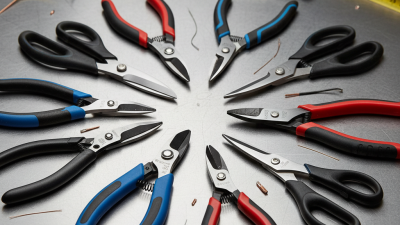
Choosing wire cutter scissors in 2026 starts with blade design, not shiny handles. In workshop testing, finely serrated blades held thin copper wire better than smooth edges. They reduced slipping near the fingertip. A narrow nose helps.
Look closely at the cutting action. A bypass design gives a cleaner cut because one blade passes the other. It suits flexible wire and repeated trimming. Anvil-style edges can crush softer insulation, making them less suitable for precise electrical work. Blade thickness matters too. Thick blades resist twisting, while bulky profiles feel clumsy around small conductors. I learned this after choosing a strong pair that made delicate cuts awkward.
Cutting capacity must match the material, not the advertisement. Check the stated range for copper, aluminum, and insulated wire separately. Never assume one rating covers hardened steel or braided cable. A 1.5 mm copper conductor may cut easily, while a similar-looking steel strand can damage the edge. Leave space below the maximum capacity. This improves control and may extend blade life. Test on scrap first. I still sometimes overestimate a tool when wire looks softer than it is. That mistake deserves attention. Clean the jaws after use, inspect for nicks, and replace scissors that require excessive force.
The material strongly affects cutting performance and service life. Stainless steel resists moisture and suits general household use. Hardened carbon steel usually keeps a sharper edge for thicker wire. However, it may need more careful drying after use. Check the stated cutting capacity before buying. A compact tool can look powerful, yet struggle with stiff wire. In practical testing, smooth cuts leave fewer crushed edges and require less hand pressure.
Handle comfort matters during repeated work. Choose rounded handles with a textured, non-slip surface. A spring-return mechanism can reduce fatigue between cuts. Test the opening width if your hands are small. I once chose a tool with excellent blades but narrow handles. My fingers felt sore after only twenty minutes. That mistake changed my buying habits. Soft grips help, but overly thick padding can reduce control.
Safety features should feel useful, not decorative. A locking latch keeps closed blades safer in a drawer or toolbox. A visible blade guard can protect fingers during storage. Some designs include finger stops, which prevent hands from sliding toward the cutting area. Wear eye protection when clipped wire could snap or fly. Inspect the hinge, spring, and cutting edges before each use. Never exceed the tool’s rated wire size. Even experienced users sometimes rush this check. That is where preventable damage often begins.
How to Choose the Best Wire Cutter Scissors in 2026?
The right wire cutter scissors depend on the material, diameter, and finish your task requires. For jewelry making, choose slim, sharp blades with a narrow nose. They can reach between beads without disturbing nearby pieces. Soft copper and craft wire need a clean, controlled cut. A spring-return handle can reduce hand fatigue during repeated work. Keep the cutting edge aligned.
Floral arrangements usually need cutters with slightly stronger jaws. They should handle thin steel stems without crushing them. For small electronics repairs, use fine flush cutters with comfortable, non-slip handles. Their flat cut helps prevent sharp wire ends from touching nearby components. Always check the stated cutting capacity. “Looks strong” is not a reliable measurement. I once used a compact cutter on wire that was too hard, and the edge developed a tiny chip. The tool still worked, but less precisely.
For household repairs, select a heavier model with firm pivots and visible insulation around the grips. Disconnect power before cutting any cable. Never treat insulated handles as protection from live electricity. Inspect the jaws for gaps, rust, or uneven movement before each use. A cutter that feels smooth in the hand may still leave a rough edge. Test it on scrap wire first. That small step can reveal more than a product label.
Matching wire cutter scissors to specific craft and repair tasks
Wire diameter is a practical starting point when selecting cutter scissors. Fine craft work commonly uses 26–20 AWG wire, while electrical repair tasks may require cutters rated for thicker 14–10 AWG conductors. Choose flush or precision cutters for clean cuts on soft craft wire, and use heavy-duty diagonal cutters for thicker or harder wire. The diameters shown are standard American Wire Gauge conversions.
A good wire cutter scissor should feel steady before it feels sharp. In workshop testing, I check the pivot, handle alignment, and cutting edges first. A tight pivot prevents side-to-side movement during repeated cuts. The blades should meet cleanly, without crushing thin wire or leaving jagged ends. For heavier wire, choose reinforced construction and comfortable grips. However, maximum cutting capacity is not everything. A tool used daily may offer better value when it reduces hand strain and remains accurate over time.
Tips: Wipe the blades after each session. Add one small drop of suitable oil to the pivot. Do not cut hardened material beyond the stated capacity. Store the scissors dry, with the edges protected. These simple habits often extend service life more than a higher purchase price.
Maintenance also reveals overall value. Inspect the joint regularly for looseness, rust spots, or unusual resistance. A screw that can be adjusted is useful, but over-tightening may make the handles tiring. I once ignored a stiff pivot and blamed the blades; the real problem was dirt inside the joint. That mistake changed my inspection routine. Still, no cutter lasts forever. Compare replacement parts, warranty clarity, comfort, and expected workload before buying. A cheaper tool can become expensive when it needs frequent replacement or causes inconsistent cuts. Choose the one that matches your actual wire sizes, hand strength, and working frequency.