Pawsome-Specializing in vet health products since 2015
Choosing the right vet ortho implants for your pet is crucial. Dr. Emily Carter, a renowned veterinary orthopedic surgeon, states, “The right implant can significantly improve your pet’s quality of life.” This insight highlights how essential it is to tailor treatments to each animal's unique needs.
Vet ortho implants come in various shapes and materials. Each option serves a specific purpose and can vary based on the pet's size and condition. Owners often overlook the importance of consulting with experts before making decisions. A poorly chosen implant can lead to complications and prolonged pain for your pet.
It’s vital to seek a veterinarian experienced in orthopedic procedures. Ensure they are familiar with the latest technologies and trends in vet ortho implants. Knowledge is the key to making an informed choice. Remember that every pet’s situation is unique. Reflect on their specific health needs and consider professional advice.
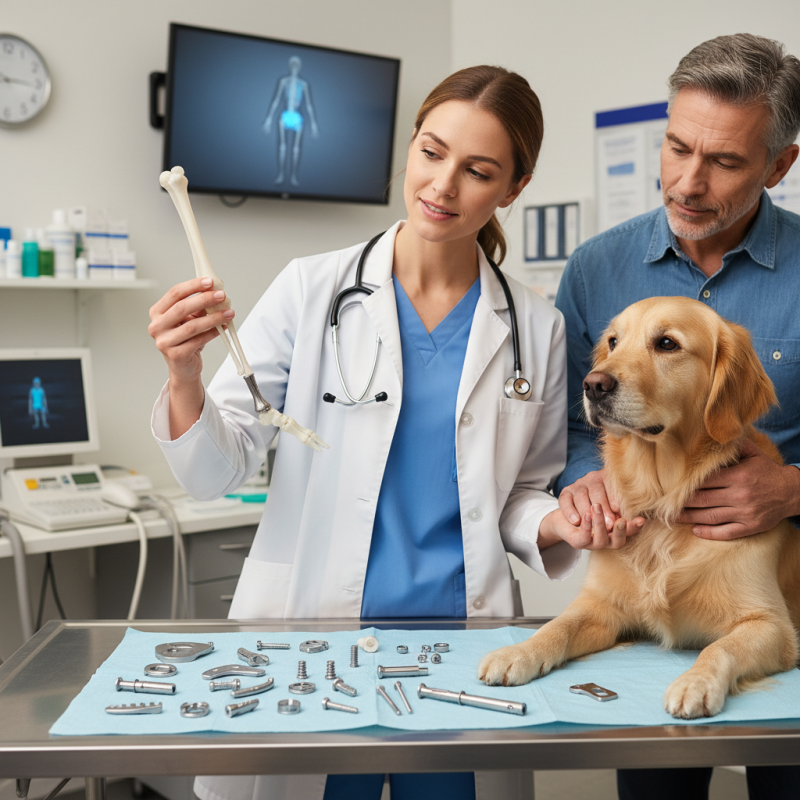
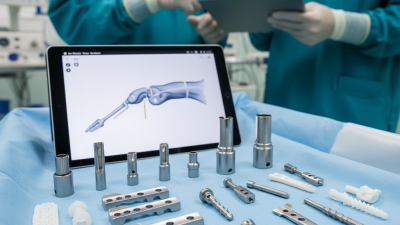
When considering ortho implants for pets, understanding the types available is essential. There are several options, including plates, screws, and pins. Each type serves different purposes based on the specific injury. For instance, plates can stabilize fractures in long bones, while pins often align bone pieces. Your vet can guide you on the best choice for your pet’s situation.
Material choice is also crucial. Stainless steel and titanium are commonly used. Stainless steel is strong but may cause reactions in some pets. Titanium is lighter and more biocompatible. You might have to consider your pet's medical history and any allergies they may have. It's a complex decision that requires careful thought and discussion with your vet.
Another important factor is the vet's experience with these implants. Not all veterinarians have the same expertise in ortho surgeries. Some may be better at specific procedures than others. It’s beneficial to ask about their track record and experience with your pet's needs. This transparency can help you feel more confident in your decision-making process.
| Type of Ortho Implant | Use Case | Material | Expected Lifespan | Considerations |
|---|---|---|---|---|
| Metal Plate | Fracture repair | Stainless steel or titanium | 10+ years | Requires surgical implantation |
| Bone Screw | Joint stabilization | Titanium | 10+ years | Potential complications with growth plates in young pets |
| Intramedullary Nail | Long bone fractures | Stainless steel | 5-10 years | May require removal |
| External Fixator | Complex fractures or limb deformities | Aluminum or titanium | Temporary (weeks to months) | Regular monitoring required |
| Bioabsorbable Implant | Bone repairs | Polylactic acid | Varies by type | No need for removal |

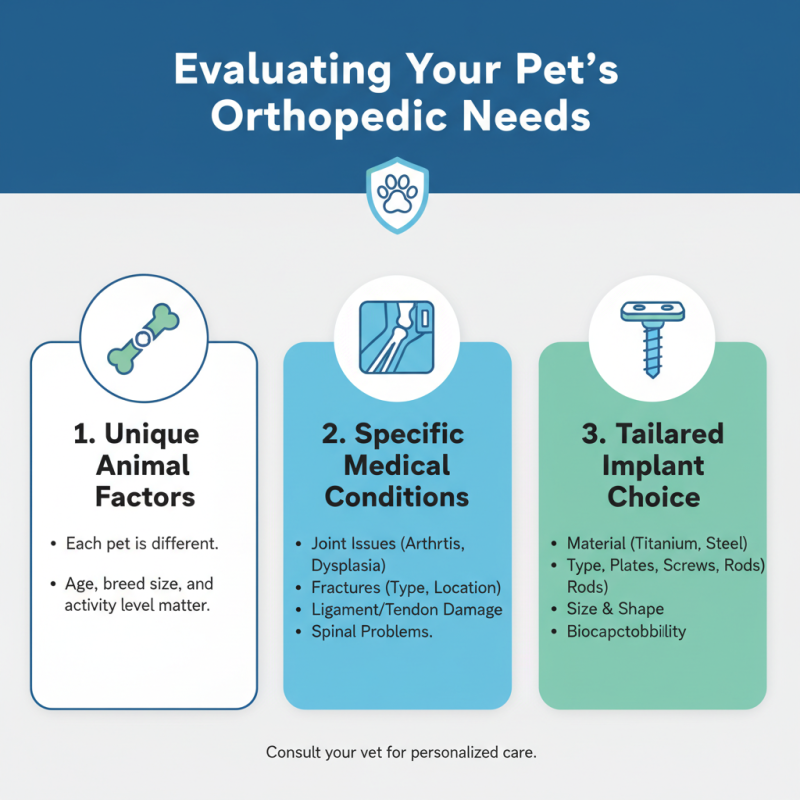
When selecting the right orthopedic implants for your pet, it’s crucial to consider their specific medical needs. Each animal is unique, and conditions can vary tremendously. Some pets might need implants for joint issues, while others may require support for fractures. Understanding your pet's condition helps tailor the choice of implants to their situation.
Consulting with a veterinary specialist can provide valuable insights. They can perform a thorough assessment, including X-rays or MRIs, to determine the best options. Proper evaluation is essential. Sometimes, the decision may involve risks or complications. Discuss these openly to ensure you're making an informed choice.
Additionally, consider your pet's age and activity level. An active dog may have different requirements than a more sedentary one. Remember that the success of an implant might vary based on these factors. Always reflect on your pet's lifestyle and how well they may adapt post-surgery. Balancing these aspects will lead you closer to finding the right solution for your furry friend.
When it comes to choosing the right orthopedic implants for your pet, consulting with a qualified veterinary specialist is crucial. This professional can assess your pet’s specific needs based on their health history and lifestyle.
According to a report from the American Veterinary Medical Association, over 90% of pet owners agree that seeking a specialist leads to better outcomes for their pets. These specialists have the training and experience to recommend the most suitable options, considering the pet's size and breed.
Engaging in conversations with a veterinary specialist ensures you understand the available implants. The specialist should explain the types of materials used, their durability, and compatibility with your pet's anatomy. Additionally, they can help manage your pet’s pain and recovery process. You might find that some implants provide quicker healing while others prioritize longevity.
Tips: Ask about case studies related to your pet’s condition. This helps gauge the specialist’s experience. Consider writing down any questions or concerns beforehand. Your pet's health depends on informed decisions. Each implant type has its pros and cons. Scrutinize them carefully before making a choice. This process requires time and reflection, so don’t rush it.
Choosing the right orthopedic implants for pets requires understanding material and design options. The most common materials include stainless steel, titanium, and biodegradable polymers. Stainless steel is durable and relatively affordable. However, it may lead to complications in some cases, such as allergic reactions. Titanium, though pricier, offers excellent biocompatibility and resistance to corrosion. This makes it a preferred choice for many veterinarians.
Design is equally critical. Some implants have modular designs, allowing for adjustments. This flexibility can be beneficial, but it may also complicate surgeries. Rigid designs, in contrast, provide stability but can limit mobility during recovery. Do remember that not every pet will respond the same way to these options. Factors like age, breed, and specific injuries play significant roles in the selection process. Engaging in thorough discussions with your veterinarian about these aspects can guide you toward an informed decision.
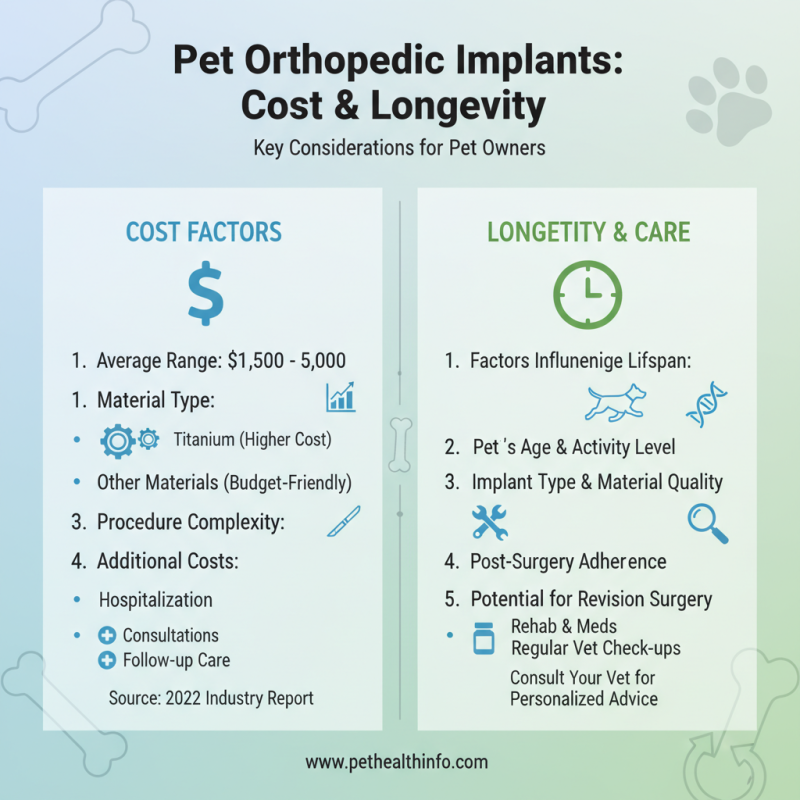
When considering orthopedic implants for pets, cost is a significant factor. According to a 2022 industry report, the average cost for pet orthopedic implants can range from $1,500 to $5,000, depending on the surgical procedure and materials used. Some types of implants, such as titanium, tend to be more expensive, while others may offer a budget-friendly option. Pet owners should prepare for additional costs related to hospitalization, consultations, and follow-up care.
Longevity is another crucial aspect in the decision-making process. Research indicates that most orthopedic implants can last anywhere from 10 to 15 years, but this duration can greatly vary. Factors such as the pet's activity level, weight, and overall health will influence the longevity of the implant. Regular check-ups with a veterinarian are vital for monitoring the condition of the implant and addressing any complications that may arise.
Ultimately, while the initial investment in orthopedic implants is significant, their potential to enhance a pet’s quality of life cannot be overstated. Choosing the right implant requires thoughtful consideration of both cost and expected longevity, making it essential for pet owners to consult with veterinary professionals. For many, this investment can lead to a happier, more active life for their furry companions.