Pawsome-Specializing in vet health products since 2015

Inquiry
Form loading...

Why Choose Vet Implants for Your Pet's Health Needs?

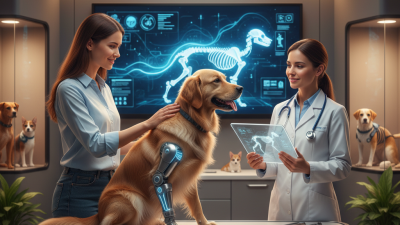
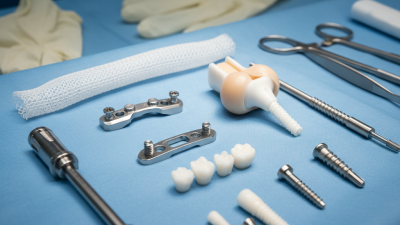
When it comes to your pet’s health, finding the right solutions is crucial. Vet implants offer advanced options for treating various medical conditions in animals. According to the American Veterinary Medical Association, about one in four pets in the U.S. needs surgery during their lifetime. Vet implants, such as bone plates and dental implants, can significantly improve recovery times and overall quality of life.

Recent studies show that implant success rates range from 90% to 95% in canine patients. These figures highlight the growing reliance on veterinary implants for effective treatment. However, pet owners may have concerns about costs and recovery times. It's important to weigh these factors against the long-term benefits of enhanced mobility and reduced pain.

Veterinary technology has evolved, making vet implants more accessible and effective than ever before. Still, not all pet owners are aware of these options. Some may hesitate, fearing complications or financial implications. By understanding the advantages and challenges, you can make informed decisions regarding your pet’s health. Choosing a vet implant could be a game-changer for your furry friend.

Why Choose Vet Implants for Your Pet's Health Needs?

Benefits of Vet Implants Compared to Traditional Treatments

Vet implants have revolutionized pet healthcare. They offer various benefits over traditional treatments, making them a popular choice for many pet owners. Unlike conventional methods, implants provide a durable solution for issues like tooth loss or joint problems. They can improve your pet's quality of life significantly.

One main advantage is the biocompatibility of vet implants. These materials work well with the body. They reduce the risk of rejection and complications. Additionally, pets often experience less pain and faster recovery. Traditional treatments can involve long healing processes. Implants can shorten this time. Pets may return to their normal activities sooner.

Tips: Always consult a veterinarian before deciding on implants. They can assess your pet's specific needs. It's crucial to understand that not all pets are candidates for implants. Monitoring your pet's condition post-surgery is essential. Keep an eye on signs of discomfort or changes in behavior. Each case is unique, and learning from each experience helps improve outcomes.

Why Choose Vet Implants for Your Pet's Health Needs? - Benefits of Vet Implants Compared to Traditional Treatments

Feature Vet Implants Traditional Treatments
Longevity Generally long-lasting, often permanent May require frequent replacements or adjustments
Recovery Time Short recovery time with proper care Longer recovery process with potential complications
Comfort Minimally invasive, often more comfortable for the pet Can be painful, require more extensive surgery
Success Rate High success rate for proper cases Variable success depending on individual factors
Cost Efficiency Cost-effective over the long term May incur higher costs due to repeat treatments
Procedure Invasiveness Less invasive compared to surgical alternatives More invasive surgical procedures with higher risks

Types of Vet Implants and Their Uses in Veterinary Medicine

Vet implants are transforming the way we approach pet health care. They come in various forms, each tailored to address specific issues. Common types include dental implants, joint replacements, and spinal implants. According to a recent report from the American Veterinary Medical Association, over 15% of dogs age 7 and older develop joint issues, indicating a growing demand for joint implants.

Dental implants play a crucial role in treating periodontal disease in pets. Research shows that around 80% of dogs and 70% of cats develop dental disease by age three. For many pets, eliminating discomfort and restoring normal function through these implants can greatly enhance their quality of life.

Tips for Pet Owners: Regular check-ups can catch dental issues early. Ask your vet about the various implant options available. Always ensure your vet has experience with the specific implant type recommended for your pet's needs. Consider that while implants can be a lifesaver, not all pets are suitable candidates due to underlying health conditions. Understanding your pet’s health is essential in this decision-making process.

How Vet Implants Enhance Recovery and Quality of Life for Pets

Why Choose Vet Implants for Your Pet's Health Needs?

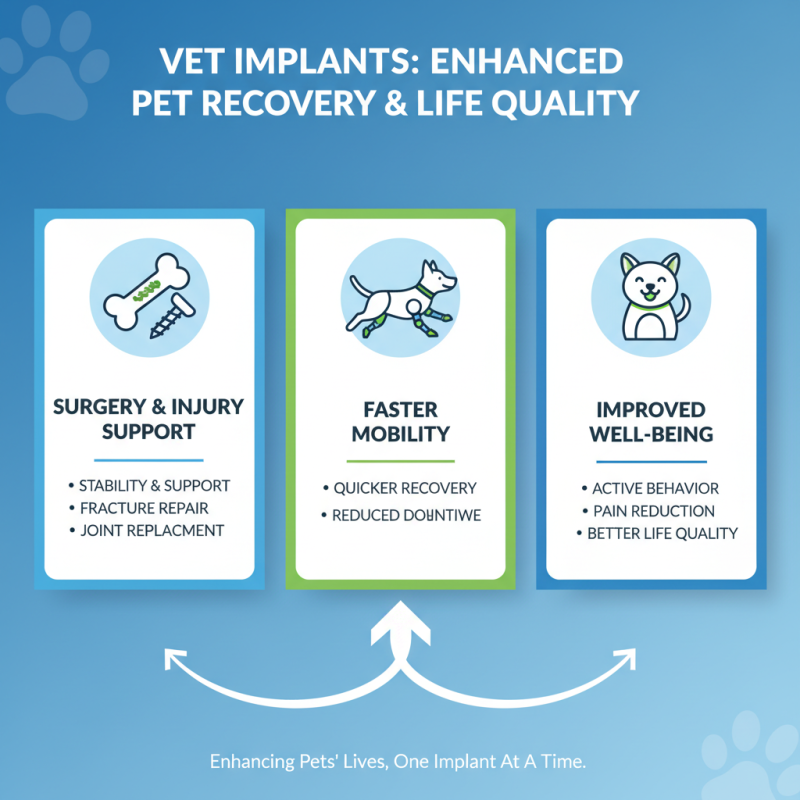
Vet implants play a crucial role in enhancing a pet's recovery and overall quality of life. When a pet undergoes surgery or experiences injury, implants can provide support and stability. These devices often help repair fractures or replace damaged joints. Pets can regain mobility quicker than with traditional methods. Owners observe noticeable changes in their pets' behavior and activity levels post-surgery.

Recovery can be challenging. However, with the right implants, pets often experience less pain. Veterinarians monitor healing closely. They assess how implants affect movement and comfort. Enhanced recovery means pets can return to their normal routines faster. Some pets might still show signs of discomfort. Continuous follow-up care is necessary to address any issues.

Quality of life improves significantly with the successful use of vet implants. Pets feel happier and more active, leading to stronger bonds with their owners. Pets with implants often engage in play again. This is vital for their emotional well-being. Managing the adaptation process is essential. Each pet's response to implants varies. Taking the time to understand individual needs can make all the difference.

Factors to Consider When Choosing Vet Implants for Your Pet

Why Choose Vet Implants for Your Pet's Health Needs?

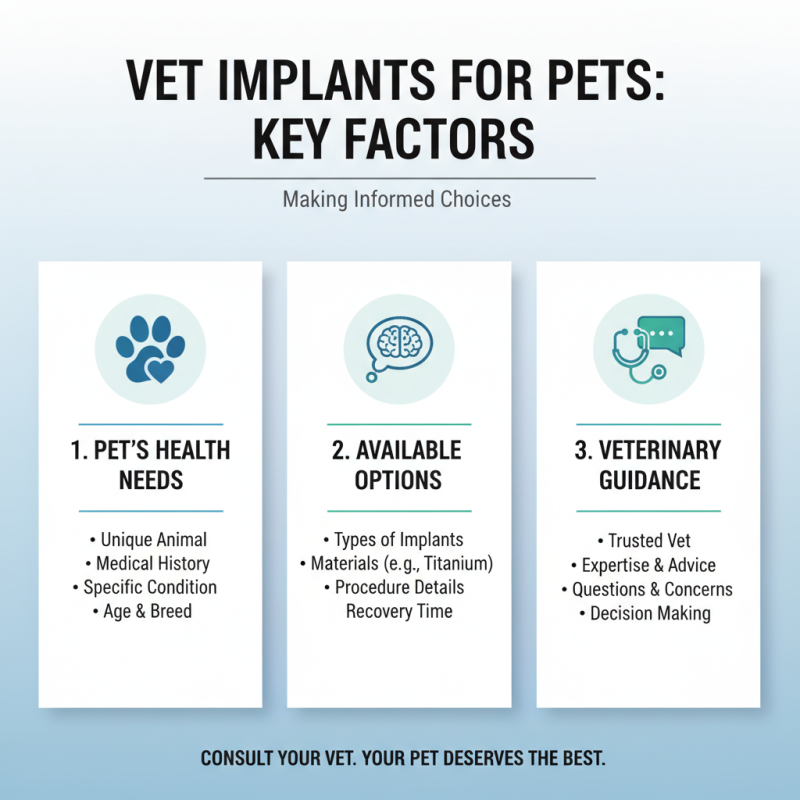
Choosing vet implants for your pet involves careful consideration. It's crucial to evaluate your pet's specific health needs. Each animal is unique, and their medical history informs the best choices. Talk to a trusted veterinarian about the options available. Their expertise can guide you in making informed decisions.

Next, consider the implant materials. They should be biocompatible and safe for pets. Different materials offer various benefits. Some are designed for strength while others promote faster healing. Research these aspects with your vet. Ask about success rates and potential complications, too. It’s important to have realistic expectations.

Lastly, reflect on the recovery process. Implants may require a lengthy healing period. Think about your pet’s lifestyle during recovery. Will you need to adjust their daily routine? Understanding these factors can ease the transition. Every pet owner wants the best for their furry friend. Take your time in this decision-making process.

The Role of Advanced Technology in Vet Implant Solutions

The landscape of veterinary medicine is rapidly evolving, particularly in the use of advanced technology for implant solutions. According to a 2022 industry report, veterinary implant procedures have increased by over 30% in response to the growing needs for specialized pet care. This leap in demand illustrates the importance of integrating advanced technologies into the treatment of animals.

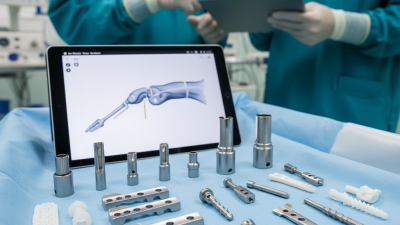
Implants are now designed using 3D printing, providing customized solutions for pets. This process allows for the creation of implants tailored to fit the unique anatomy of each pet. Recent studies highlight that custom-fitted implants enhance recovery rates by 40% compared to traditional options. Additionally, innovations such as biocompatible materials reduce the risk of complications and improve overall health outcomes. However, technology is not without its challenges; there are still concerns regarding long-term durability and more extensive training for veterinary professionals.

Furthermore, the role of telemedicine in veterinary care cannot be overlooked. Remote consultations can streamline the decision-making process, allowing for timely interventions. A report from the AVMA indicates that 20% of pet owners are open to telehealth options for non-emergency conditions. Yet, many vets remain cautious about fully embracing this technology. They acknowledge the need for further studies to ensure effective integration into traditional veterinary practices. The path forward involves balancing technology with hands-on expertise to optimize pet health outcomes.

Understanding the Benefits of Vet Implants