Top Oscillating Multi Saw Suppliers for Global Buyers
Global demand for versatile power tools is shaped by renovation, repair, and professional construction work. Grand View Research’s Power Tools Market Size, Share & Trends Analysis Report estimated the global power tools market at USD 34.4 billion in 2023, with continued growth projected through 2030. This figure covers a broad market, not oscillating saws alone. That distinction matters when buyers compare supplier claims.
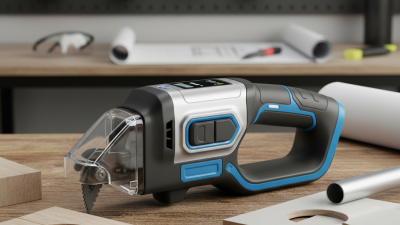
An Oscillating Multi Saw can cut, scrape, sand, and trim in tight spaces. For buyers, the practical details matter: blade-change time, vibration, runtime, accessory availability, and support after purchase. A supplier’s catalog may look impressive. It is not proof of consistent quality. Request product specifications, test reports where available, warranty terms, and sample units before placing a large order.
This guide examines suppliers serving global buyers, with attention to manufacturing experience, product range, export readiness, and communication. It also considers whether suppliers can provide clear documentation and dependable replacement accessories. Ratings and market claims should be checked against current evidence; supplier capabilities can change. A polished website is only a starting point. Compare the saw in hand, too.
Understanding Oscillating Multi Saws and Their Global Market
Top Oscillating Multi Saw Suppliers for Global Buyers
Understanding Oscillating Multi Saws and Their Global Market
Oscillating multi saws make fast, shallow side-to-side cuts. With the right attachment, they can trim doorjambs, remove grout, or cut a nail near a wall. Buyers compare more than motor power. Blade compatibility, vibration, accessory availability, and service support all affect daily use. Small details matter.
The wider power-tool market offers useful context, but it is not a direct measure of oscillating-saw demand. Fortune Business Insights estimated the global power tools market at USD 36.55 billion in 2023 and projected USD 58.03 billion by 2032. These figures describe the broader category. Market estimates do not isolate every oscillating saw, so treat them as context, not a forecast. For global buyers, supplier evaluation should also cover documented performance, replacement-part access, and clear warranty terms. A low purchase price may not stay low if compatible blades are hard to source.
Tips: Ask suppliers to confirm which blade interfaces fit the tool, and request sample cuts in wood and metal. Check vibration during longer tasks. It is easy to overlook, but hand fatigue can matter more than a small difference in rated power.
Types of Suppliers: Manufacturers, OEMs, and Distributors
Choosing an oscillating multi saw supplier starts with understanding who designs, builds, and supports the tool. Grand View Research estimated the global power tools market at USD 36.5 billion in 2023, with projected growth of 4.3% annually through 2030. This figure covers a broad product category, not oscillating saws alone, so buyers should avoid treating it as a direct demand forecast. Check the supplier’s experience with blade interfaces, vibration control, and motor temperature under repeated cutting. Small details matter.
Manufacturers offer closer access to production processes and technical changes. They may suit buyers needing custom specifications or consistent production runs. OEM suppliers build products to another company’s requirements; confirm who owns design changes and who handles warranty claims. Distributors usually provide faster access to stocked tools, blades, and replacement parts, but their product knowledge can vary. Ask for sample units, quality inspection records, lead times, and spare-part availability. Test cuts in wood and metal can expose overheating or excessive vibration. Not every supplier will welcome that level of scrutiny. That is worth noticing. A low unit price may also hide slower service or costly minimum orders, so compare the full purchasing terms before committing.
Key Criteria for Evaluating Potential Suppliers
An oscillating multi saw is only as dependable as its supplier’s test evidence, service process, and spare-parts discipline.
Request measured vibration, temperature, and cutting-speed data, not just catalogue claims. Ask how samples were tested: material, blade type, load, and test duration should be recorded.
Small details matter.
Repeat the same cut in your workshop and check for heat, chatter, and blade drift.
ISO’s 2022 Survey reported more than 1.2 million ISO 9001 certificates across 189 countries.
Certification is a useful screening signal, not proof that a specific production line controls defects. Check the certificate’s scope and expiry date, then review corrective-action records and inspection logs.
A tidy document is not the same as a consistent tool.
The World Bank’s 2023 Logistics Performance Index assessed 139 economies across six dimensions, including tracking and timeliness. Use those measures when reviewing shipment visibility, export packing, and delivery performance. Request actual on-time rates for the past 12 months, plus service response times and parts availability. Ask about switches, bearings, guards, and compatible blades.
I would treat one factory visit as a snapshot, not a guarantee.
Regional Sourcing, Product Certifications, and Shipping
Regional sourcing can shorten lead times, but distance alone does not determine reliability.
Buyers should compare suppliers by production capacity, spare-parts availability, and experience serving their destination market. Ask for a clear specification sheet covering oscillation angle, power rating, blade interface, and intended materials. Small details matter. A sample blade fitted to the tool can reveal alignment issues before a larger order is placed. Factory audits or documented quality checks may help, though neither guarantees consistent performance.
Certifications should match the product and the requirements of the importing market.
Request current test reports and confirm that the model number on each document matches the quotation. Do not rely on a logo in a catalog. Check who issued the certificate and whether its scope covers the complete tool, battery, charger, or only selected components.
Shipping plans deserve the same scrutiny. Confirm carton dimensions, protective packing, declared product details, and whether the quote includes freight, insurance, and destination charges.
For battery-powered tools, ask the carrier about packaging and transport documentation before dispatch. Delays happen. I have seen a low unit price lose its appeal when replacement blades and customs paperwork were not planned. Build in time for inspection, and keep written records of agreed specifications.
Comparing Supplier Offers and Choosing a Long-Term Partner
Top Oscillating Multi Saw Suppliers for Global Buyers
Comparing offers means looking beyond unit price. Ask suppliers for blade-fit specifications, rated speed, vibration data, warranty terms, and spare-part lead times. Then test samples on the same materials: a short cut in hardwood, a plunge cut in plywood, and a controlled trim near an edge. Record cutting time, handling comfort, and heat after repeated use. A polished sample can still hide inconsistent production. Request batch inspection records and traceability for key components.
McKinsey’s 2020 survey of supply-chain leaders found that 93% planned to increase supply-chain resilience. That finding is not specific to power tools, but it supports checking a supplier’s capacity, backup production, and shipping options—not just its catalogue. Ask how it manages quality changes between sample approval and bulk orders. Confirm response times in writing, and review a pilot order before committing to a long-term forecast. Small details matter.
Tips: Compare landed cost, not quoted price alone. Get clear terms for defects, replacement parts, and engineering changes. If possible, speak with a current export customer. One missed delivery may be manageable; repeated delays are harder to absorb. I would also revisit the scorecard after the first quarter—early assumptions can be wrong.
Top Oscillating Multi Saw Suppliers for Global Buyers
Comparing Supplier Offers and Choosing a Long-Term Partner
Common nominal mains voltages are shown as a practical specification check for global sourcing. Confirm that each supplier offers a tool and charger compatible with the destination market; these figures are mains-system values, not a rating for every product.