Top Tplo Plate Dog Benefits and Recovery Tips for Pet Owners
Tplo Plate Dog surgeries have gained popularity among pet owners seeking effective solutions for ACL injuries. According to the Veterinary Surgery Journal, TPLO procedures demonstrate a success rate of over 90%. This method offers enhanced stability to a dog's knee joint, leading to quicker recoveries. However, every recovery journey is unique and involves challenges.
Pet owners often report mixed experiences post-surgery. Some dogs recover swiftly, while others face setbacks. A study highlighted that about 15% of dogs may develop complications, emphasizing the importance of attentive care. Keeping a close eye on their activity and following vet recommendations can make a significant difference.
Understanding the benefits of a Tplo Plate Dog procedure is crucial. It promises a more normal life for pets. Yet, the emotional rollercoaster during recovery can be daunting. Owners must be prepared for both victories and struggles on this healing path.
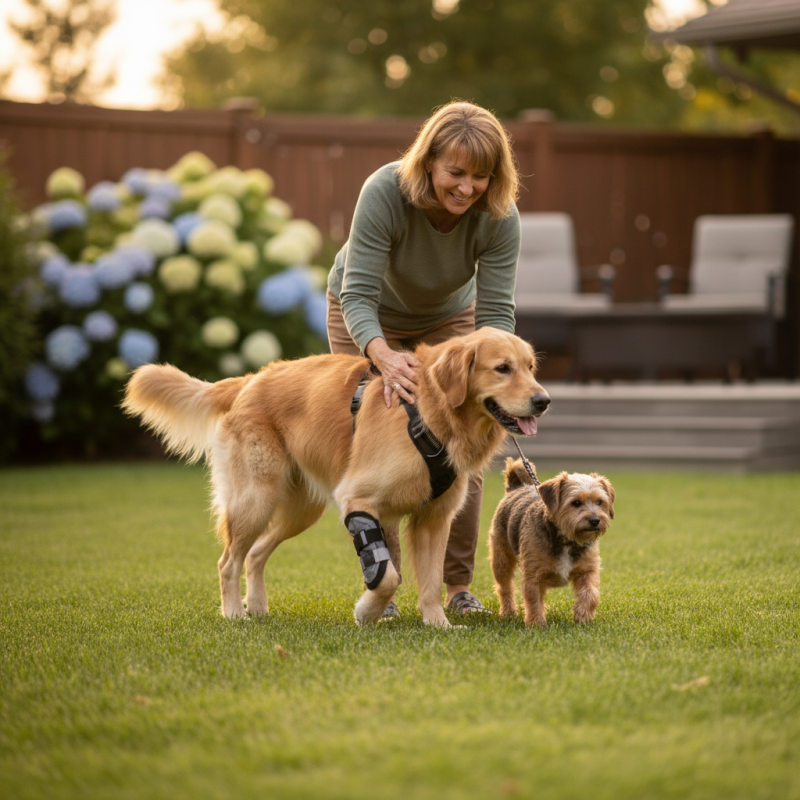
Understanding TPLO Surgery and Its Purpose for Dogs
TPLO surgery, or Tibial Plateau Leveling Osteotomy, is a common procedure for dogs with cranial cruciate ligament (CCL) tears. This surgery aims to stabilize the knee joint. It allows dogs to regain mobility and reduce pain. Understanding the purpose of TPLO surgery is essential for pet owners.
Post-surgery, the recovery process is crucial. Pets often need a few weeks of restricted activity. Walks should be short and controlled. Consider using a leash to prevent sudden movements. Make sure your dog has a comfortable space to rest and heal.
Regular follow-ups with your veterinarian are vital. Monitor your dog for signs of discomfort or swelling. Don't hesitate to reach out if something seems off. Remember, healing takes time. Celebrate small victories in your dog's recovery. Patience and care go a long way.
Key Benefits of TPLO Plates in Canine Knee Rehabilitation
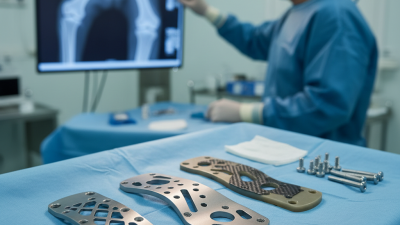
TPLO (Tibial Plateau Leveling Osteotomy) plates have become essential in canine knee rehabilitation. They provide stability to the knee after an injury, especially ACL tears. Studies show that over 80% of dogs regain normal function post-surgery. This high success rate is crucial for pet owners seeking the best treatment options.
One major benefit of TPLO plates is the ability to reduce pain and inflammation. According to a veterinary report, dogs with TPLO procedures reported a significant decrease in discomfort after surgery. The plates help in stabilizing the tibial plateau, which reduces stress on the knee joint. However, some dogs may experience swelling or stiffness during recovery, requiring patience from owners. It’s essential to monitor your dog’s recovery closely.
Physical therapy also plays a vital role in the recovery process. Engaging in controlled exercises helps rebuild muscle strength. A recent survey indicated that dogs who participated in physical therapy showed improved mobility by nearly 40%. Yet, some owners may hesitate to commit fully due to time constraints. It's critical to recognize that this effort pays off in the long run. Adhering to recovery guidelines will enhance your dog's quality of life considerably.
Top Tplo Plate Dog Benefits and Recovery Tips for Pet Owners - Key Benefits of TPLO Plates in Canine Knee Rehabilitation
| Benefit |
Description |
Recovery Tip |
| Enhanced Stability |
TPLO plates provide increased stability to the knee joint, reducing the risk of future injuries. |
Ensure proper rest and follow post-surgery rehabilitation exercises as advised by your vet. |
| Reduced Pain |
The TPLO procedure often leads to decreased pain levels for the dog compared to traditional methods. |
Administer prescribed pain relief medications as needed during recovery. |
| Faster Recovery |
Dogs typically recover more quickly with TPLO plates compared to other surgical options. |
Maintain a clean and safe recovery area to facilitate quick healing. |
| Better Joint Function |
TPLO surgery improves the overall function of the knee joint, enabling better movement. |
Implement physical therapy sessions to strengthen the joint post-surgery. |
| Long-term Outcomes |
Studies show that dogs with TPLO plates often have better long-term outcomes than with traditional methods. |
Regular vet check-ups to monitor recovery progress and address any concerns. |
Step-by-Step Recovery Process Following TPLO Surgery
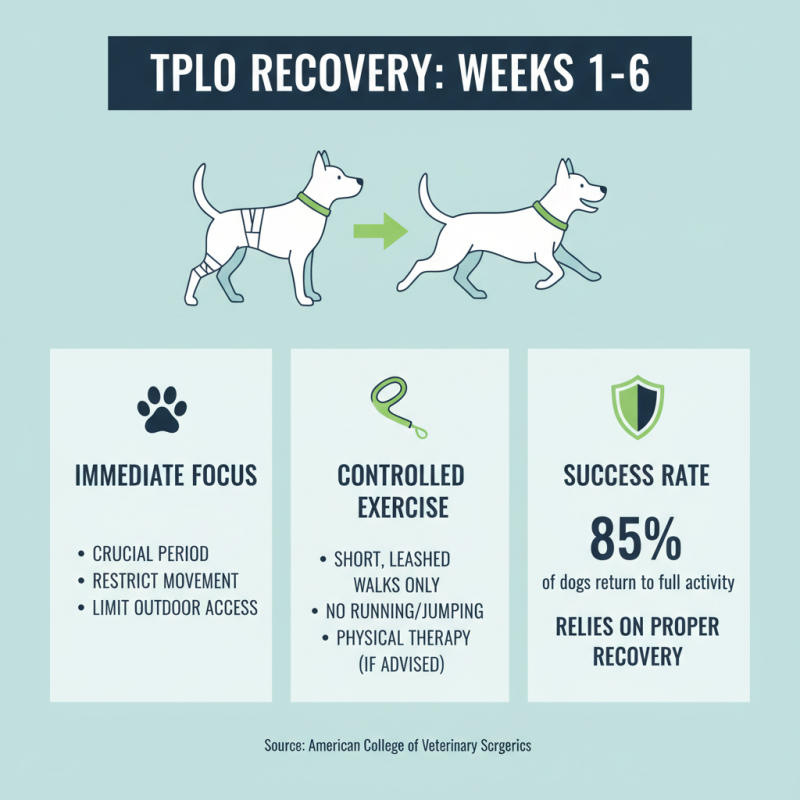
Recovery from TPLO surgery is crucial for your dog's return to normal activities. The first few weeks are vital. During this period, restrict your dog's movement. Limit outdoor access. Short, controlled leash walks are essential. According to the American College of Veterinary Surgeons, about 85% of dogs return to their previous activity level after surgery, but this success heavily relies on proper recovery.
After the first two weeks, gradually introduce more activity. Monitor your dog's healing closely. Watch for any signs of discomfort or swelling. Pain medication may be necessary during this time. Research shows that physical therapy can improve recovery. Gentle exercises, like swimming, can enhance mobility without too much strain. Every dog has unique needs, and it's important to adapt a recovery plan based on your pet's progress.
By four to six weeks, most dogs start showing improvements. However, some may take longer to heal. This can be frustrating. Consistency is key. Engage with your vet regularly and adjust plans as necessary. Remember, patience is just as important as the physical aspects of recovery. Focus on providing a comfortable environment to help your dog feel secure and supported.
Essential Care Tips for Pet Owners Post-TPLO Procedure
After a TPLO procedure, caring for your dog becomes essential. One key area is managing pain. Ensure your pet receives prescribed pain relief. Monitor their behavior closely. If they seem uncomfortable, consult your vet. Remember, recovery is not a straight path for every dog. Some may take longer than expected.
Offering a comfortable space for resting is crucial. Set up a quiet area with soft bedding. Limit access to stairs and slippery surfaces. Help your dog move around during the initial recovery phase. This can be challenging, especially if your dog resists help. Stay patient and calm to instill confidence.
Hydration and nutrition play vital roles in recovery. Ensure fresh water is always available. Offer easily digestible food to avoid stomach issues. Keep an eye on their appetite. It might fluctuate post-surgery. Noticing changes can help you act quickly if anything seems off. A few setbacks might occur; that’s normal. Adjusting care routines may help to align with your pet’s needs.
TPLO Recovery Benefits and Care Tips
Signs of Complications and When to Contact Your Veterinarian
After a TPLO surgery, monitoring your dog's recovery is crucial. Watch for signs of complications such as excessive swelling, discharge, or a sudden change in behavior. An estimated 10-15% of dogs may experience post-surgical complications, highlighting the importance of vigilance. If your dog seems lethargic or refuses to eat, these could be warning signs. Contact your veterinarian immediately if you spot these issues.
Tips for recovery include creating a comfortable space for your pet to rest. Limit their activity to prevent straining the surgical site. A quiet environment helps reduce stress, aiding recovery. Remember, most dogs need about 8-12 weeks for a full recovery. Consider following your vet's guidelines closely during this period.
It's essential to keep an eye on your dog's incision. Any redness or unusual odor could indicate an infection. A recent study found that approximately 5% of surgical cases end with infections needing further treatment. If this happens, don't hesitate to reach out to your vet for advice. They can offer guidance on the next steps. Always trust your instincts; if something feels off, it probably is.