Top 10 Things to Know About Tplo Plate Dog Surgery and Recovery Question?
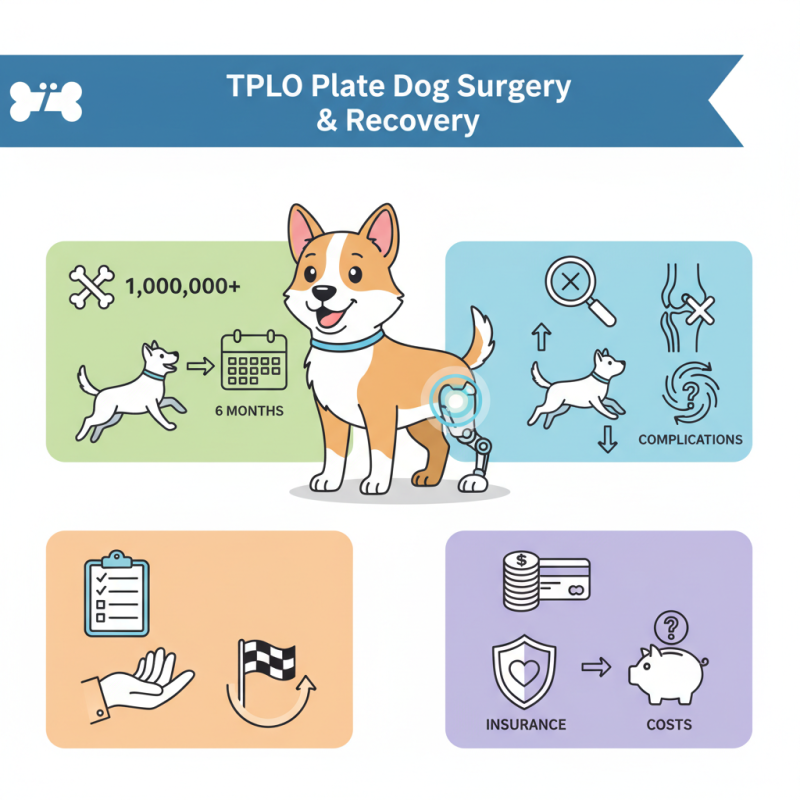
TPLO (Tibial Plateau Leveling Osteotomy) Plate Dog surgery has gained popularity among veterinarians. According to the American Veterinary Medical Association, over 1 million dogs undergo orthopedic surgeries annually. TPLO is specifically aimed at treating ruptured cranial cruciate ligaments. This surgery allows for quicker recovery and improved mobility compared to other procedures.
Many pet owners may feel anxious about the recovery process. Studies show that about 80% of dogs return to their normal activity within six months post-surgery. However, some dogs face complications, and the healing journey is not always straightforward. Adhering to vet-recommended rehabilitation plans can greatly influence outcomes.
Additionally, the costs for TPLO surgery can range widely. Pet insurance options may vary, making it essential for owners to explore financial responsibilities upfront. Awareness of these factors is crucial in preparing for a TPLO Plate Dog surgery. Each dog is unique, and outcomes can differ significantly based on several variables.
What is TPLO Plate Surgery and Why is it Recommended for Dogs?
TPLO (Tibial Plateau Leveling Osteotomy) plate surgery is often recommended for dogs suffering from cranial cruciate ligament (CCL) injuries. This surgery modifies the dog's knee joint to improve stability. When the CCL is torn, the dog's ability to walk and run is significantly compromised. TPLO addresses this issue effectively by changing the angle of the knee joint, which helps to eliminate abnormal movement.
Many veterinarians favor TPLO due to its long-term benefits. Dogs that undergo this surgery typically experience a quicker recovery and a more active lifestyle afterward. The surgery involves placing a metal plate on the tibia to stabilize the joint. However, recovery can be a challenging phase. It's important to monitor your dog closely during this time. Some dogs may be reluctant to follow post-surgery instructions. They might not want to rest or may try to jump around early.
Each dog's recovery is unique, so patience is key. Regular vet check-ups are essential. You may notice improvements, but the journey can be slow. Be prepared for setbacks. Dogs often need physical therapy to fully regain function. The yard may become your training ground, and extra supervision might be necessary. This whole process can be exhausting, but it's essential for your dog's well-being.
Top 10 Things to Know About TPLO Plate Dog Surgery and Recovery
| Aspect |
Details |
| What is TPLO Surgery? |
TPLO (Tibial Plateau Leveling Osteotomy) is a surgical procedure to correct knee joint instability in dogs caused by cruciate ligament tears. |
| Indications for Surgery |
Recommended for dogs with cranial cruciate ligament (CCL) tears, especially larger breed dogs or active pets. |
| Surgical Process |
Involves cutting the tibia bone and repositioning it to stabilize the knee joint, followed by securing with a metal plate. |
| Pre-Operative Care |
Includes physical examination, imaging (X-rays), and possibly weight management. |
| Post-Operative Care |
Includes rest, pain management, and limited activity for about 8-12 weeks. |
| Recovery Time |
Full recovery may take 4-6 months depending on the dog's size and adherence to the recovery plan. |
| Expected Outcomes |
Most dogs return to normal activity levels and experience pain relief and improved mobility. |
| Potential Risks |
Infection, implant failure, and complications related to anesthesia are possible risks associated with surgery. |
| Rehabilitation |
Physical therapy can be beneficial post-surgery to improve strength and range of motion. |
| Financial Considerations |
Cost varies widely based on location and veterinary practice, typically ranging from $3,000 to $5,000. |
Understanding the TPLO Surgery Procedure: Step-by-Step Breakdown
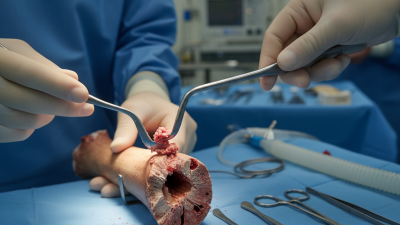
TPLO surgery is essential for dogs suffering from cruciate ligament injuries. The procedure involves cutting the tibia and stabilizing it with a plate. Understanding this intricate process helps owners prepare for their pet's recovery.
During surgery, your dog will be under anesthesia. The veterinarian will make an incision on the knee. They will then reposition the tibia using specialized tools. This may seem daunting, but knowing what happens can ease anxiety. After surgery, dogs typically require a quiet recovery space.
**Tip:** Keep your pet calm during recovery. Limit their movements for several weeks. Use gates to prevent them from jumping or running.
Veterinarians will provide post-operative care instructions. Follow them closely for the best outcome. Watch for swelling or any signs of discomfort. Communication with your vet is crucial.
**Tip:** Use ice packs to reduce swelling. They can offer comfort to your pet during recovery. Remember, the healing process is gradual and requires patience. You might feel frustrated, but staying attentive to your dog's needs is vital. Following these steps can lead to a smoother recovery.
Post-Surgery Recovery Timeline: What to Expect for Your Dog
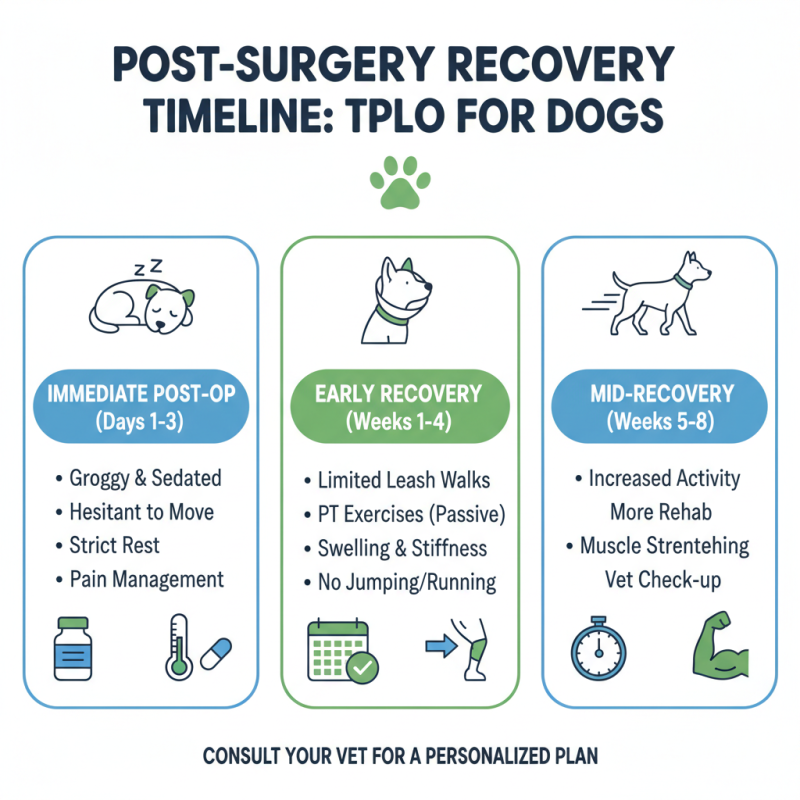
After a Tplo plate surgery, your dog’s recovery begins. It’s important to have realistic expectations. Dogs typically face several weeks of limited activity. In the first few days, your pup may be groggy and hesitant to move.
During the first two weeks, strict rest is essential. Keep your dog in a quiet space. Use a crate if needed. Short bathroom breaks are important, but avoid long walks. Integrate gentle stretching or physical therapy as advised by your vet.
Tips for recovery include keeping the surgical area clean. Regularly check for swelling or redness. Use an e-collar if your dog tends to lick or bite at the incision. Create a calm environment, and monitor your dog’s eating habits. Patience is key. Some dogs may seem down or frustrated. They might not understand their limitations. Just remember, recovery takes time, and your support is vital.
Essential Care and Rehabilitation Tips After TPLO Surgery
After TPLO surgery, the recovery process is crucial for your dog's return to normal activity. The healing period typically spans 8 to 12 weeks. During this time, it's important to restrict your dog's movement. Short leash walks are recommended. Avoid stairs and jumping for at least two months. This helps to prevent complications.
Proper care is essential. Regular vet check-ups can identify any potential issues. Studies show that about 20% of dogs experience complications post-surgery. These might include infections or implant failures. Providing a comfortable, quiet space for your pet can also aid recovery. Keep them calm and prevent excessive activity.
Rehabilitation plays a key role too. A recent survey indicates that physical therapy can improve recovery outcomes by 30%. Simple exercises like passive range of motion can be beneficial. Gradually reintroducing activity helps strengthen the leg. Use treats as motivation, but always engage in exercises that are suitable for their condition.
Recovery Timeline After TPLO Surgery
Potential Risks and Complications Associated with TPLO Surgery
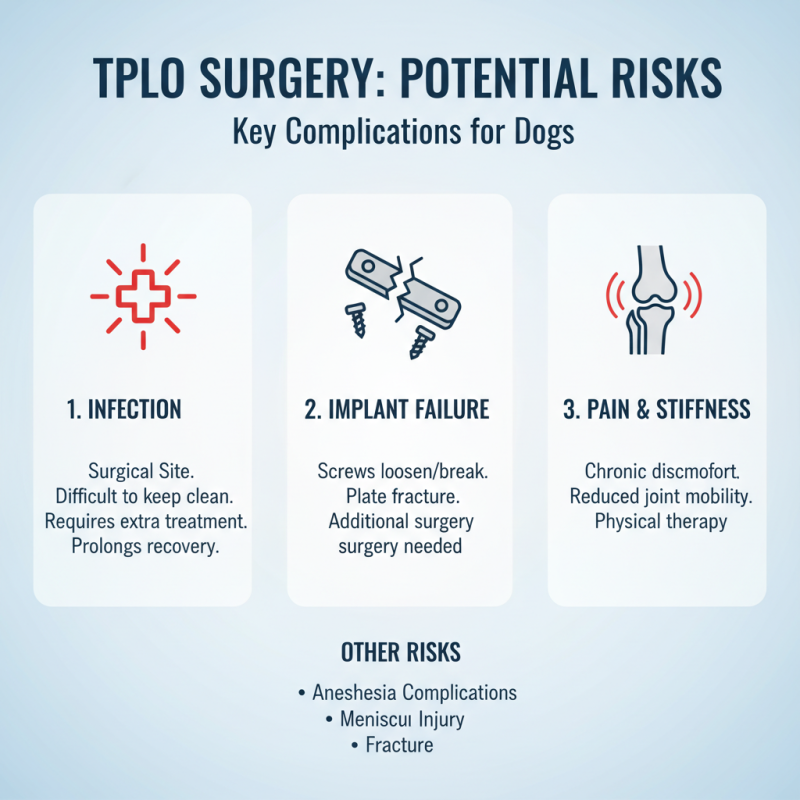
TPLO surgery, or tibial plateau leveling osteotomy, is a common procedure for dogs with knee injuries. While it can offer significant relief, potential risks and complications must be considered. One serious concern is infection at the surgical site. Keeping the area clean can be challenging, especially with active pets. Infections may require additional treatments, extending recovery time.
Another risk involves the plate or screws misplacing or loosening. If the hardware shifts, it may cause pain or instability. A dog may need a second surgery to correct this complication. Additionally, some dogs may experience persistent lameness despite the procedure. This can be frustrating for pet owners and requires a reevaluation of the dog’s treatment plan.
Pain management is crucial during recovery. Some dogs may react poorly to pain medications. This can lead to side effects like vomiting or lethargy. Regular follow-ups with the veterinarian are essential to monitor the dog's progress. Adjustments may be necessary, which can be a learning curve for many owners. Each case is unique, and not every outcome is predictable.