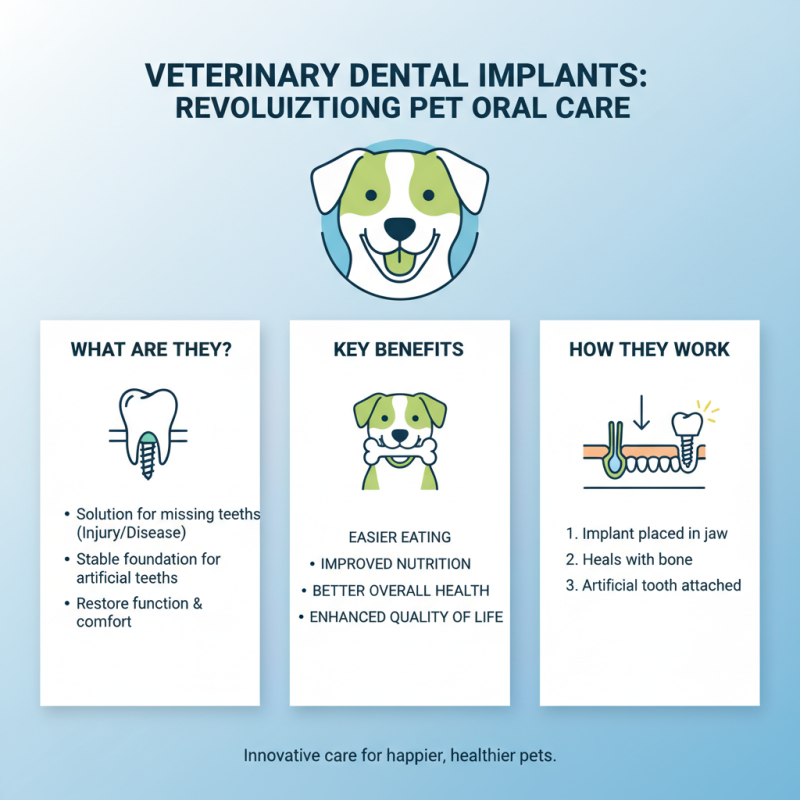
What is Veterinary Dental Implants and How Do They Work?
Veterinary Dental Implants have become a crucial advancement in animal healthcare. According to the American Veterinary Dental College, over 80% of dogs and cats suffer from dental diseases by age three. For many pets, these problems lead to tooth loss and discomfort. Dental implants offer a solution that improves the quality of life for these animals.
Dr. John Smith, a leading expert in veterinary dentistry, emphasizes, "Implants are a game-changer in restoring function and aesthetics in pets.” The procedure involves placing a titanium post into the jawbone, mimicking a natural tooth root. This approach not only alleviates pain but also restores the pet’s ability to eat and play.
Despite these benefits, there are challenges. Proper case selection and surgical expertise are essential. Owners may face financial considerations, as the costs can be significant. Veterinary dental implants are not suitable for every pet, raising questions about accessibility and widespread adoption. As a growing field, ongoing education and research are needed to refine these techniques and expand their reach.

Understanding Veterinary Dental Implants: An Overview
Veterinary dental implants provide a new hope for pets suffering from dental loss. These implants are designed to support prosthetic teeth. They resemble small screws, inserted into the jawbone. This process requires a surgical procedure that demands careful consideration.
The healing process can be lengthy and requires proper aftercare. Owners should monitor their pets closely. Some pets may experience discomfort or infection. It's vital to follow veterinary advice during recovery. Ensuring your pet’s comfort can be a journey filled with ups and downs.
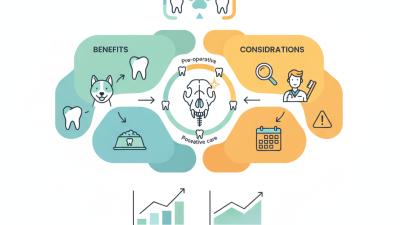
Selecting the right approach to veterinary dental care isn't always straightforward. Every pet has unique needs and challenges. Consultation with a veterinarian is crucial. This helps to weigh the benefits and potential risks of dental implants.
There's much to reflect upon in providing the best dental care for your beloved companions.
The Structure and Materials Used in Veterinary Dental Implants
Veterinary dental implants are advanced solutions for pets with severe dental issues. These implants consist of a titanium post that serves as a root. The post integrates with the jawbone, providing a stable foundation for an artificial tooth. The use of titanium is crucial, as it is biocompatible and promotes healing. According to a 2021 veterinary dentistry report, the success rate for these implants can exceed 95%, especially in dogs.
The materials used in veterinary dental implants often include titanium alloys and ceramics. Titanium alloys are favored for their durability and strength. Ceramic components can be used for the crowns due to their aesthetic appeal. However, the choice of materials is not always straightforward. Some pets might react negatively to certain materials, underscoring the need for tailored solutions. Regular post-operative care is critical, and some complications are unavoidable.
The complexity of these procedures raises various challenges for veterinary professionals. Each case is unique, and the lifespan of implants can vary based on the pet's health and the quality of materials used. Issues like implant failure can discourage pet owners and require additional interventions. Continuous advancements in dental technology aim to address these challenges, yet there remains a considerable gap in understanding the long-term effects of different materials.
How Veterinary Dental Implants are Placed in Animals
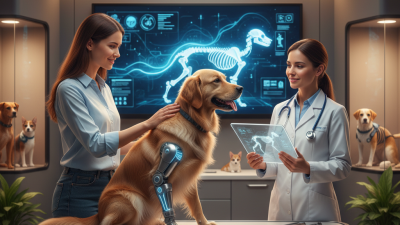
Veterinary dental implants offer a solution for animals suffering from missing teeth. The process of placing these implants involves several key steps. First, the veterinarian evaluates the animal's oral health. This includes X-rays to assess bone density and jaw structure. A thorough examination ensures the success of the implant.
Once the evaluation is complete, the surgery begins. Anesthesia is administered to keep the animal calm and pain-free. The veterinarian makes an incision in the gum tissue to access the jawbone. A specially designed hole is drilled into the bone, creating a space for the implant. This stage requires precision and care to avoid complications.
After placing the implant, the gum tissue is closed around it. Healing will take time, during which the implant integrates with the bone. After a few months, a crown can be fitted onto the implant. Many owners have reported positive experiences, but success isn’t guaranteed for every case. There can be challenges; some animals may struggle to adapt to the changes. Regular follow-ups are crucial to monitor healing.
The Benefits of Using Dental Implants in Veterinary Medicine
Veterinary dental implants are changing how we approach pet oral care. These implants offer a solution for pets with missing teeth due to injury or disease. They provide a stable foundation for artificial teeth, helping restore function and comfort. The benefits are clear: pets can eat more easily, improving their overall health.
Another significant advantage is the enhancement of a pet's quality of life. Pets often experience pain from missing teeth, affecting their mood and behavior. Implants can alleviate this discomfort, leading to happier, more active pets. Plus, successful implantation can significantly reduce future dental issues. However, not all pets are ideal candidates. Each case requires careful assessment and planning.
Perhaps the most compelling aspect is the restoration of a pet's smile. Owners often comment on the emotional uplift they feel when their pet is restored to a normal appearance. Still, the procedure may seem daunting and involves risks. Potential complications, like infection or implant failure, ought to be carefully considered. The journey of veterinary dental implants is fascinating, and continuous learning is essential for both practitioners and pet owners.
Post-Operative Care and Maintenance for Pets with Dental Implants
Post-operative care for pets with dental implants is critical for their recovery. After the procedure, pets may experience swelling or discomfort. It’s essential to monitor their behavior closely. A veterinary report indicates that around 30% of pets show signs of pain post-surgery. If your pet is not eating or seems lethargic, contact your vet.
Feeding guidelines after implant surgery are also important. Soft food is recommended initially to prevent irritation. Gradually, hard food can be introduced as your pet heals. Studies show that about 70% of pets adapt well to soft diets. Still, some may resist changes. Patience is key. Maintaining good oral hygiene is crucial as well. Regular brushing can help keep dental implants clean. The American Veterinary Medical Association emphasizes that plaque control is vital in sustaining implant longevity.
Follow-up visits to the vet are necessary, too. They will check the implant site and overall health. About 15% of pet owners neglect these visits. This leads to complications that could have been avoided. Stay vigilant and proactive. Your pet’s long-term health depends on it.