Veterinary Dental Implants Benefits and Considerations?
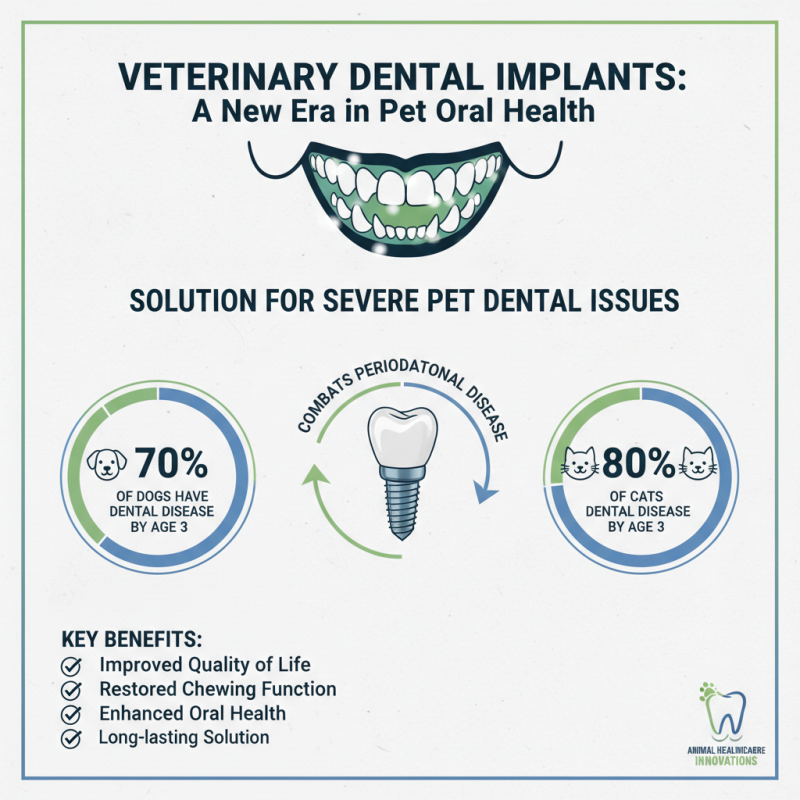
Veterinary Dental Implants have become a significant advancement in animal dentistry. According to a study published in the Journal of Veterinary Dentistry, around 70% of dogs and cats will experience dental issues by age three. This alarming statistic highlights the importance of addressing dental health in pets. Veterinary professionals increasingly recognize the role of dental implants in restoring function and improving the quality of life for animals.
These implants provide long-term solutions for missing teeth and significantly enhance chewing ability. Reports indicate that 80% of pets with implants showed improved comfort and eating habits. However, veterinary dental implants are not without challenges. The surgical procedure requires skilled specialists, and not all animals are suitable candidates. Moreover, owners must commit to ongoing dental care. A successful outcome relies heavily on pre-operative assessments and post-operative follow-up.
In conclusion, while Veterinary Dental Implants offer promising benefits, they necessitate careful consideration. Pet owners should discuss options thoroughly with their veterinarians. A nuanced understanding of both the advantages and limitations can lead to informed decisions about a pet’s dental health.

Understanding Veterinary Dental Implants: An Overview
Veterinary dental implants are gaining traction in animal healthcare. These implants offer a solution for pets suffering from severe dental issues, such as periodontal disease. According to recent studies, around 70% of dogs and 80% of cats suffer from some form of dental disease by the age of three. This statistic highlights the importance of addressing dental health in pets.
Implants can replace lost teeth and improve the quality of life for animals. They can restore the ability to eat and play without discomfort. However, the procedure is not without challenges. The cost of dental implants can be significant, with procedures often ranging from $1,500 to $3,000. Additionally, proper aftercare is crucial for successful integration. Many pet owners may struggle with the commitment required for post-operative care.
While the benefits are clear, there are no guarantees. Not all pets are suitable candidates for implants, particularly older animals with concurrent health issues. The procedure involves surgical risks, which can be daunting. Each case requires a thorough assessment by a veterinarian to ensure the best outcomes. As the field evolves, ongoing research will be necessary to refine techniques and improve overall success rates in veterinary dental care.
Benefits of Dental Implants for Pets
Dental implants are becoming popular for pets. They offer a solution for those dealing with missing teeth or periodontal disease. Unlike traditional extraction, implants replace the root, providing a sturdy foundation for artificial teeth. This helps restore your pet's ability to chew and eat comfortably.
One of the significant benefits of dental implants is improved quality of life. Pets can enjoy their meals again and may exhibit less discomfort. Their overall health can also benefit from better nutrition intake. However, the cost of procedures can be high. It’s vital to weigh the pros and cons carefully.
Another consideration is the healing process. Pets may need time to adjust to their new teeth. Regular vet check-ups are crucial to ensure everything is progressing well. Improper care can lead to complications that diminish the benefits of the implants. Therefore, it’s essential to stay informed and prepared for the long-term commitment of dental implants.
Considerations Before Choosing Implants for Pets
When considering dental implants for pets, it's crucial to evaluate several factors. Not all pets are suitable candidates. Age and health status play significant roles. Older pets or those with chronic conditions may face higher risks during surgery. Consulting with a veterinarian is essential to ensure the pet can handle the procedure.
The procedure itself comes with challenges. Anesthesia is necessary, which can be risky, especially for pets with heart issues. Recovery time varies and requires monitoring. Some pets may resist aftercare, making it difficult to adhere to post-operative instructions.
Cost is another aspect to consider. Implants can be expensive, and not all pet owners are aware of the financial commitment involved. Regular dental check-ups may also be required post-surgery, adding to expenses. Weighing these considerations is vital for making an informed decision. It’s a significant choice that should involve thorough discussions.
Veterinary Dental Implants Benefits and Considerations
| Consideration |
Details |
| Benefits of Implants |
Improved quality of life, enhanced chewing function, and reduced pain compared to traditional methods. |
| Surgical Risks |
Potential for infection, anesthesia complications, and surrounding tissue damage. |
| Cost Considerations |
Higher initial cost compared to other dental treatments, but may reduce long-term expenses related to dental health. |
| Pet Recovery |
Recovery time varies; careful monitoring and follow-up care essential for successful healing. |
| Age and Health |
Younger, healthier pets typically recover better; age and health status should be evaluated before implantation. |
| Alternatives to Implants |
Dentures, crowns, and other restorative dental procedures may be considered based on the specific case. |
The Procedure: What to Expect During Implant Surgery
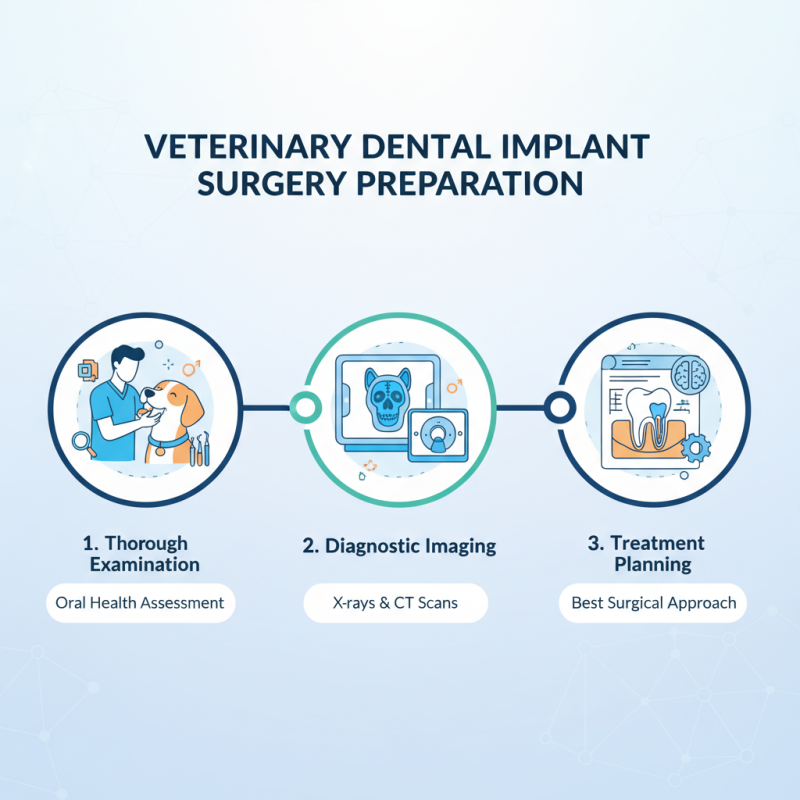
When preparing for veterinary dental implant surgery, understanding the procedure is crucial. The process begins with a thorough examination. A veterinarian will assess the pet's oral health, and imaging may be done. This helps identify the best approach.
During surgery, anesthesia is administered. Pets are closely monitored for safety. The veterinarian makes a small incision in the gum to expose the bone. Sometimes, additional bone grafting is necessary. This step can complicate the procedure, so it's essential to have a skilled vet.
After placing the implant, the gum is sutured. Recovery time varies. Pets may experience some swelling or discomfort. Pain management is crucial during this phase. Owners should prepare for follow-up visits. Overall, while the procedure is straightforward, every step carries risks that need reflection.
Post-Operative Care and Maintenance for Dental Implants in Pets
Post-operative care is crucial for pets that have received dental implants. After the procedure, it's essential to monitor your pet closely. Swelling and slight bleeding can occur. These are normal but should decrease within a few days. If issues persist, consult your veterinarian immediately. It's better to be safe than sorry.
Proper maintenance is vital for the longevity of dental implants. Regular check-ups are recommended every six months. During these visits, the veterinarian can assess the implants and surrounding gums. Research suggests that 70% of pets with regular dental care have healthier implants. Don’t skip these appointments; prevention is key.
**Tips:** Maintain a clean mouth for your pet. Use a soft toothbrush designed for animals. Offer dental treats that promote oral health. Supervise their chewing habits to avoid damage to the implants. Remember, your attention to post-operative care can significantly impact your pet's comfort and health.
Benefits of Veterinary Dental Implants
This chart presents the perceived benefits of veterinary dental implants among pet owners. Each benefit is rated as a percentage based on owner satisfaction and the impact on pet quality of life.