10 Best Bone Curettes for Surgical Use?
The question behind “10 Best Bone Curettes for Surgical Use?” is practical, not promotional. Each Bone Curette must remove tissue or loose bone while preserving the surgeon’s tactile control. Tip shape, edge profile, shaft length, handle grip, and radiographic compatibility can change performance in a deep cavity. Yet no single instrument fits every orthopedic, spinal, dental, or neurosurgical procedure. This guide treats “best” as procedure-specific. It compares design, handling, durability, cleaning access, and documented manufacturer information.
Safety belongs in the same frame. The World Health Organization’s Global Guidelines for the Prevention of Surgical Site Infection reports that surgical-site infections affect about 11% of patients in low- and middle-income countries. That figure does not measure curette quality, but it explains why instrument processing deserves attention. CDC guidance on disinfection and sterilization emphasizes cleaning before sterilization, including soil removal from joints, serrations, and narrow surfaces. FDA guidance also expects reusable-device instructions to support validated reprocessing. A beautifully machined curette still fails clinically if staff cannot inspect, clean, and sterilize it reliably.
The shortlist therefore considers surgical practice, not only catalog photographs. Look for secure grips, smooth transitions, corrosion-resistant materials, and working ends suited to the target anatomy. Verify the manufacturer’s instructions, sterilization parameters, and institutional compatibility before purchase. Some claims remain difficult to compare because independent head-to-head trials are limited. That limitation matters. Readers should question rankings, test representative instruments under supervision, and document performance after repeated cycles. The strongest choice supports controlled technique, consistent reprocessing, and patient safety.
What Are Bone Curettes and How Are They Used?
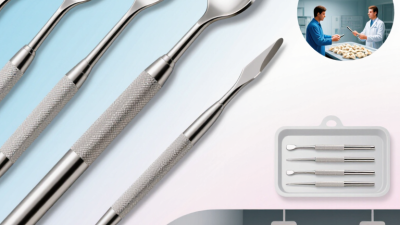
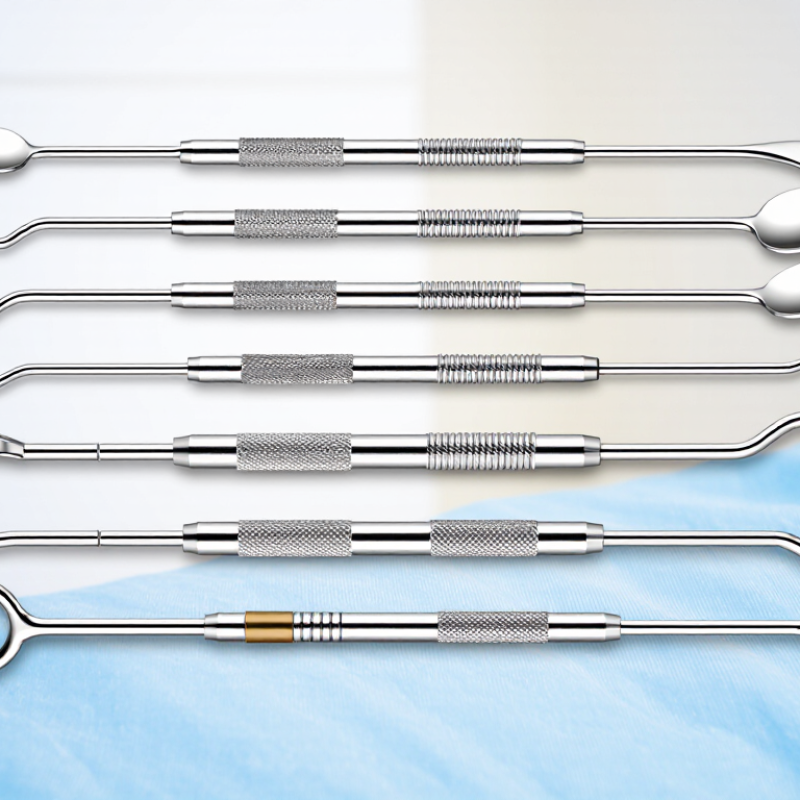
Bone curettes are handheld surgical instruments with a sharp or rounded spoon-shaped end. Surgeons use them to scrape cancellous bone, remove loose fragments, and clear granulation tissue. They may also help clean bone cysts or prepare a cavity for graft material. Their size, angle, and edge shape affect visibility and control.
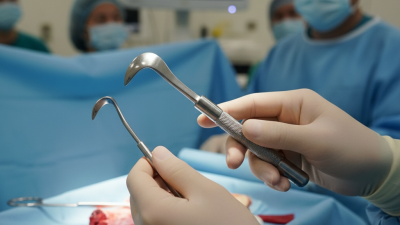
During surgery, the clinician advances the curette with short, measured strokes. Excessive force can weaken healthy bone or damage nearby tissue. The cavity should be inspected repeatedly, especially when the anatomy is narrow or irregular. In my experience, curettes offer excellent tactile feedback, but they do not replace imaging, careful exposure, or sound judgment. No instrument fits every case.
Tips: Match the curette to the cavity, tissue density, and surgical approach. Keep the working edge visible whenever possible. Use irrigation to remove debris and reassess the field. Follow approved sterilization procedures for reusable instruments. This matters because the World Health Organization reports that surgical-site infections affect about 11% of surgical patients in low- and middle-income settings, compared with approximately 7% in high-income settings. The WHO Global Guidelines for the Prevention of Surgical Site Infection also emphasize disciplined instrument handling and operating-room hygiene. A practical detail is often missed: a dull edge may encourage unnecessary pressure. Stop and reassess.
Key Features of High-Quality Surgical Bone Curettes
10 Best Bone Curettes for Surgical Use?
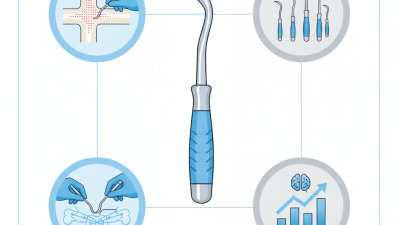
High-quality surgical bone curettes begin with controlled handling, not appearance alone. A balanced shaft helps the surgeon guide pressure around narrow cavities. A rigid, corrosion-resistant working end should remove bone efficiently without flexing unexpectedly. The cup edge must be sharp, even, and free from burrs. Small surface defects can trap tissue and complicate cleaning. That risk matters because the World Health Organization’s Global Patient Safety Report 2024 estimates that about one in ten patients experiences harm in healthcare. Curette design cannot prevent every event, but it can support safer, more consistent technique.
Material selection also deserves careful review. ISO 7153-1 identifies stainless steel and other suitable materials for surgical instruments, while CDC sterilization guidance stresses cleanable surfaces and validated reprocessing. Look for seamless construction, secure handle-to-shaft joining, readable size markings, and a finish that resists pitting. A narrow curette may improve access, yet it can feel less stable in dense bone. That trade-off is easy to overlook. I would not choose a set using catalog images alone.
Tips:
Test grip comfort with gloves. Inspect the cup under bright light. Confirm the curette tolerates the facility’s approved cleaning cycle. Ask whether edges remain consistent after repeated processing. Document defects early. Even experienced teams miss subtle wear. A short trial period may reveal more than specifications.
Ten Top Bone Curettes for Surgical Applications
Ten Top Bone Curettes for Surgical Applications
Choosing among the ten top bone curettes requires more than comparing catalog photographs. Curette performance depends on access, bone density, defect depth, and surgeon control. The World Health Organization estimates that 1.71 billion people live with musculoskeletal conditions. This burden increases the need for dependable orthopedic instruments, although it does not prove that one curette design suits every procedure.
The ten most useful profiles include sharp, blunt, angled, spoon, ring, fenestrated, double-ended, long-shaft, narrow-neck, and flexible curettes. Sharp edges can remove compact tissue efficiently. Blunt edges may offer better control near delicate structures. Fenestrated cups can improve visibility and reduce trapped debris. A 2021 Global Burden of Disease analysis reported about 178 million new fractures worldwide in 2019. That figure highlights surgical demand, but fracture volume alone cannot determine instrument quality.
In practical use, I would inspect handle balance, shaft rigidity, cup depth, edge consistency, and sterilization compatibility. The National Joint Registry’s 21st Annual Report recorded more than 200,000 hip and knee procedures in England and Wales during the reported year. High procedure volumes make repeatable handling important. Still, published reports rarely measure curette-specific outcomes. That is a weakness. A sound selection process should combine operative experience, validated cleaning instructions, and documented material standards. Testing the instrument on simulated bone may reveal wobble, poor visibility, or an edge that feels too aggressive. Even experienced teams can overlook those details.
10 Best Bone Curettes for Surgical Use? - Ten Top Bone Curettes for Surgical Applications
| No. |
Curette Type |
Tip Design |
Typical Tip Size |
Typical Length |
Common Surgical Application |
Key Characteristics |
Reusable |
| 1 |
Sharp Spoon Bone Curette |
Single-ended, sharp-edged spoon |
2–8 mm |
15–20 cm |
Removal of soft tissue, granulation tissue, and loose bone fragments |
Precise cutting edge with good tactile feedback |
Yes |
| 2 |
Double-Ended Bone Curette |
Two spoon tips with different diameters |
2–6 mm |
16–19 cm |
General orthopedic and dental bone debridement |
Two working ends reduce instrument changes during surgery |
Yes |
| 3 |
Angled Bone Curette |
Angled spoon tip, commonly 45° or 90° |
3–8 mm |
17–22 cm |
Access to recessed, posterior, or difficult-to-reach bone surfaces |
Improves access while keeping the handle outside the operative field |
Yes |
| 4 |
Long-Shank Bone Curette |
Narrow spoon on an extended shaft |
2–5 mm |
22–30 cm |
Deep orthopedic cavities and intramedullary procedures |
Extended reach with a relatively narrow working end |
Yes |
| 5 |
Fenestrated Bone Curette |
Loop or window-shaped cutting tip |
3–7 mm |
15–21 cm |
Curettage where tissue collection and controlled removal are required |
Open tip helps retain removed tissue and permits visual clearance |
Yes |
| 6 |
Small-Bone Curette |
Fine spoon or loop tip |
1–3 mm |
13–17 cm |
Hand, foot, maxillofacial, and other small-bone procedures |
Fine tip supports controlled work in narrow spaces |
Yes |
| 7 |
Large-Cavity Bone Curette |
Broad, deep spoon tip |
6–12 mm |
18–24 cm |
Removal of larger volumes of cancellous bone or lesion contents |
Broad working surface supports efficient tissue removal |
Yes |
| 8 |
Posterior-Access Curette |
Curved or offset spoon tip |
3–8 mm |
20–27 cm |
Posterior spinal, pelvic, and other anatomically restricted approaches |
Curvature improves reach around anatomical contours |
Yes |
| 9 |
Acetabular Bone Curette |
Long, curved spoon with reinforced shaft |
8–15 mm |
25–35 cm |
Preparation and debridement of the acetabulum during hip surgery |
Long reach and robust construction for deep joint work |
Yes |
| 10 |
Periodontal and Alveolar Bone Curette |
Small curved or angled spoon tip |
1–4 mm |
14–18 cm |
Alveolar socket debridement and localized oral bone procedures |
Compact working end for confined oral surgical sites |
Yes |
Typical dimensions are approximate and may vary by instrument pattern and surgical specialty. Reusable instruments should be cleaned, inspected, packaged, and sterilized according to the manufacturer’s validated instructions and applicable healthcare standards.
Sterilization, Handling, and Surgical Safety Considerations
10 Best Bone Curettes for Surgical Use?
Bone curettes support controlled removal of bone, tissue, or debris, but their safety depends on more than tip design. In surgical practice, staff should select the correct size, angle, and edge for the procedure. A curette must feel stable in the hand. Poor balance can reduce control near delicate structures. Never use excessive force.
Sterilization begins at the point of use. Remove visible soil promptly, because dried blood can protect microorganisms and complicate cleaning. Follow the instrument’s validated instructions and facility policy. Some curettes tolerate steam sterilization, while others require different processing. Do not guess. Clean each surface with approved detergent, suitable brushes, and controlled water quality. Inspect the bowl, shaft, handle, and working edge under strong light. Look for cracks, corrosion, retained debris, or a distorted tip. Small detail. It matters.
During transport, place used curettes in a secure container and protect sharp edges from contact damage. Do not stack heavy instruments on delicate tips. After sterilization, check package integrity, chemical indicators, and cycle records before release. During surgery, pass the instrument handle-first and maintain a clear view of the operative field. Damaged instruments should be removed from service, not “used just once more.” That shortcut can seem harmless. It is not. Staff should also document processing failures and review them honestly, because even experienced teams can overlook a tiny defect or an incomplete cleaning step.