Pawsome-Specializing in vet health products since 2015

Inquiry
Form loading...

China Top 10 Vet Ortho Implants Suppliers in 2026?

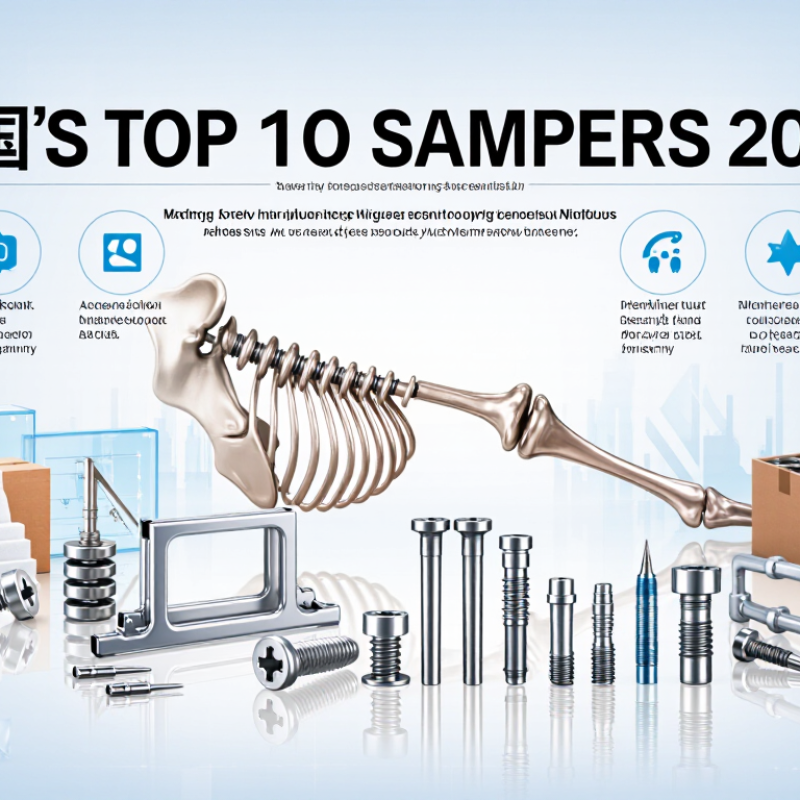
China’s veterinary orthopedic manufacturing sector is expanding, supported by advanced machining, medical-grade materials, and increasingly specialized animal healthcare teams. This article examines China’s Top 10 Vet Ortho Implants Suppliers in 2026, with attention to product quality, engineering capability, clinical support, and export readiness. The selection is not based on marketing visibility alone. It considers measurable factors that matter to veterinarians, distributors, and animal hospitals.

The review focuses on implants such as bone plates, screws, pins, external fixation systems, and related surgical instruments. It also considers material consistency, dimensional accuracy, sterilization guidance, packaging, and traceability. A reliable supplier should provide clear technical documents and responsive communication. Clinical feedback matters too. A polished catalog is not enough.

Real purchasing decisions often involve small details. A screw thread must engage smoothly. A plate should match the animal’s anatomy. Packaging must protect sterile components during long-distance transport. These points can reveal more than a factory showroom.

Still, supplier comparisons have limits. Public information may be incomplete, and product performance can vary by model, batch, and clinical technique. Therefore, this guide should support due diligence, not replace it. Readers should request samples, certifications, test reports, and references before placing substantial orders. Independent veterinary evaluation remains essential.

The following overview presents ten notable Chinese manufacturers and explains where each may fit. Some may excel in customization. Others may offer stronger documentation or broader distribution support. No supplier is perfect. Careful verification protects both clinical outcomes and purchasing budgets.
China Top 10 Vet Ortho Implants Suppliers in 2026?

Understanding China’s Veterinary Orthopedic Implant Market in 2026

China Top 10 Vet Ortho Implants Suppliers in 2026?

China’s veterinary orthopedic implant market is becoming more specialized. Demand is rising with pet ownership, advanced surgery, and expanding referral hospitals. Grand View Research and Fortune Business Insights both forecast strong growth in the global veterinary orthopedic implants market through 2030, although their estimates differ by scope and methodology. That difference matters. It shows why buyers should avoid relying on one market figure.

Chinese suppliers increasingly offer plates, screws, pins, and external fixation systems for fractures, cruciate ligament repair, and small-animal trauma care. Production advantages include mature metal-processing networks and shorter regional delivery times. However, product quality can vary between manufacturers. Clinical documentation, fatigue testing, sterilization control, and traceability deserve close review. The China Pet Industry White Paper also reports continued growth in urban dog and cat populations, creating a broader clinical base for orthopedic procedures. Yet higher procedure volume does not automatically mean better outcomes.

Tips: Ask for material certificates, batch records, dimensional inspection reports, and surgeon feedback. Check whether the supplier operates under ISO 13485-based quality controls and can support local registration requirements. Request sample instruments before placing large orders. A practical concern remains: some online catalogs look impressive, but provide limited evidence from real clinical use. Independent veterinary evaluation is still essential.
Key Criteria for Evaluating Veterinary Orthopedic Implant Suppliers

China Top 10 Vet Ortho Implants Suppliers in 2026: Key Evaluation Criteria

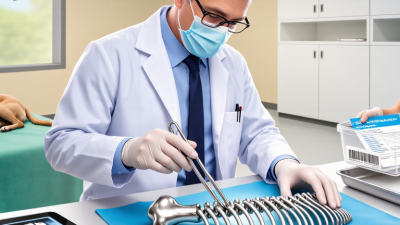
A credible top-ten list should begin with clinical evidence, not advertising claims. Evaluate each supplier’s experience with fractures, joint repair, and corrective procedures across different animal sizes. Ask for case records, surgeon feedback, and documented implant performance. Real operating-room experience matters.

Material quality deserves close attention. Check the grade, surface finish, dimensional accuracy, and resistance to fatigue or corrosion. Suppliers should provide test reports, batch records, and clear traceability. Small defects can create serious surgical problems. Documentation must be consistent.

Review the supplier’s quality system and manufacturing controls. Reliable facilities use inspection steps, controlled packaging, and validated sterilization processes when applicable. Confirm whether instruments match implant dimensions precisely. Poor fit wastes operating time. It also increases clinical uncertainty.

Communication is another practical test. Can the technical team answer questions about plate contouring, screw selection, and postoperative concerns? Strong suppliers offer surgeon training and responsive after-sales support. Delivery stability also matters, especially for emergency procedures.

I would not rank a supplier from a polished catalog alone. Some companies have excellent products but limited published evidence. Others communicate well yet lack dependable production capacity. This is where careful verification becomes necessary. Independent review remains valuable, even when the supplier appears experienced.

Profiles of China’s Top 10 Veterinary Orthopedic Implant Suppliers

China’s veterinary orthopedic implant sector includes ten distinct supplier profiles. One specializes in small-animal locking plates and matching screws. Another focuses on feline fracture systems, where thinner plates reduce tissue irritation. A third supplies canine hip components, surgical guides, and trial instruments. The fourth develops stainless-steel implants for price-sensitive clinics. A fifth offers titanium systems with labeled material batches and inspection records.

The sixth supplier combines implant production with instrument manufacturing. Its sterile trays can shorten preparation time. The seventh uses computer-assisted design for unusual fractures and revision cases. The eighth serves veterinary teaching hospitals with broad catalogues and replacement parts. The ninth concentrates on external fixation, including clamps, pins, and connecting rods. The tenth provides private-label manufacturing, packaging support, and small production runs. These profiles reflect product focus, manufacturing depth, documentation, and reported clinical feedback.

Supplier comparisons need careful verification. Useful evidence includes implant-grade material certificates, dimensional inspection reports, lot traceability, and clear instructions for use. Communication also matters during urgent cases. Some suppliers respond quickly, while others provide stronger technical drawings but slower revisions. A catalogue can look impressive yet reveal limited evidence on long-term outcomes. That is a weakness worth noting. Buyers should review surgeon experience, sterilization compatibility, packaging integrity, and postoperative follow-up data. Factory visits, sample inspections, and controlled clinical feedback can expose details that promotional pages miss. The strongest profile is not always the largest supplier. It is the one that delivers consistent dimensions, practical support, and transparent records for each case.

China Top 10 Veterinary Orthopedic Implant Suppliers in 2026

Common implant materials used in veterinary orthopedic products, compared by typical material density.

Lower-density materials can help reduce implant weight, while metallic materials generally provide high structural strength. Values shown are standard reference densities: Ti-6Al-4V, approximately 4.43 g/cm³; 316L stainless steel, approximately 7.99 g/cm³; PEEK, approximately 1.30 g/cm³; and UHMWPE, approximately 0.93 g/cm³. These materials are widely associated with orthopedic implant design and are not supplier- or brand-specific.

Comparing Products, Certifications, Manufacturing, and Export Services

China’s top ten veterinary orthopedic implant suppliers in 2026 should be compared beyond price. Product depth matters: plates, screws, pins, external fixators, and surgical instruments should cover small, medium, and large animals. Fortune Business Insights valued the global orthopedic devices market at about USD 48 billion in 2023, showing strong demand for reliable implant systems. However, veterinary-specific evidence remains less standardized. That gap deserves attention.

Certifications provide a practical screening point. Suppliers should demonstrate ISO 13485 quality management, documented material controls, batch traceability, and validated cleaning or sterilization processes. ISO 13485 alone is not proof of clinical performance. Request audit records, inspection reports, biocompatibility testing, and change-control procedures. The FDA’s Quality Management System Regulation alignment with ISO 13485, effective in 2026, also raises expectations for traceable design and manufacturing controls. Small details matter.

Manufacturing comparisons should examine CNC accuracy, titanium or stainless-steel grade verification, surface finishing, packaging, and final inspection. Export services should include clear invoices, packing lists, certificates of origin, HS-code support, and multilingual technical files. The World Health Organization emphasizes quality-assured medical products and risk-based regulatory oversight, which supports this documentation-focused approach. A low quotation can look attractive. It may hide inconsistent tolerances or weak after-sales support. My comparison is not flawless; public supplier data can be incomplete, and certificates may cover only selected facilities. Buyers should request recent evidence, test sample fit, and review complaint-handling timelines before placing repeat orders.

How to Select the Right Chinese Veterinary Orthopedic Implant Supplier

Selecting from China’s top 10 veterinary orthopedic implant suppliers requires more than comparing prices. Start with product fit, material quality, and manufacturing control. Ask for implant specifications, alloy certificates, dimensional tolerances, and batch traceability. Stainless steel and titanium components should match the intended animal size and surgical technique.

Request evidence of quality systems, such as ISO 13485 certification, internal inspection records, and validated sterilization procedures. Check whether the supplier supports plates, screws, pins, external fixation parts, or complete surgical sets. Clear technical drawings matter. So does practical packaging.

Ask for samples before placing a large order. Inspect thread smoothness, hole alignment, surface finish, and package integrity. A minor burr can complicate surgery.

A weak box can damage sterile packaging during transport. Supplier communication also deserves careful testing. Can engineers answer clinical questions accurately? Do they explain design limits instead of promising everything?

A polished catalog proves little. Real reliability appears in consistent batches, prompt corrective action, and honest documentation. Some suppliers may offer customization, but excessive modification can increase testing needs and delivery risk. This is easy to underestimate. Compare lead times, minimum order quantities, after-sales support, and replacement policies in writing. Review feedback from veterinary surgeons, distributors, and hospitals where possible. One overlooked issue is regional compliance, since import and registration requirements differ. Select a supplier whose records are verifiable, whose advice is specific, and whose limitations are clearly stated.