7 Tips for Buying a Mouth Opener Online?
Buying a Mouth Opener online can feel simple, but small details often affect comfort, safety, and usefulness. Product photos rarely show pressure points, material flexibility, or the actual fit. A device that looks professional may still feel too rigid during use. That matters, especially for dental care, photography, training, or other approved applications. Careful shopping reduces unpleasant surprises.
This guide shares seven practical tips for choosing a Mouth Opener from a reliable online source. It explains how to check dimensions, medical-grade materials, cleaning instructions, and seller credentials. It also considers customer reviews, return policies, packaging, and professional guidance. Look for clear measurements, not vague claims. Silicone may feel softer, while firm plastic can provide steadier support. Neither option suits everyone. I once assumed a larger design would offer better stability, but fit proved more important than size. That assumption deserved more questioning.
Avoid products with damaged packaging, unclear materials, or exaggerated promises. A trustworthy seller should describe intended use and provide complete care information. Reviews can help, but they are not clinical evidence. If you have dental conditions, jaw pain, breathing concerns, or a sensitive gag reflex, consult a qualified dental professional before purchasing. Comfort first. Good decisions begin with honest product details, realistic expectations, and attention to your own needs.
Define the Mouth Opener Type, Intended Use, and FDA Device Classification
7 Tips for Buying a Mouth Opener Online?
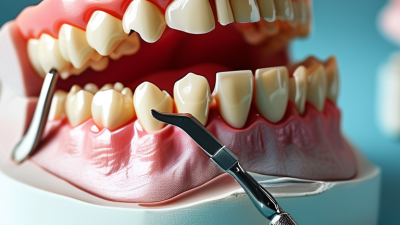
A mouth opener is not one universal device. It may be a bite block, cheek retractor, or surgical mouth gag. Each design supports a different task, patient position, and level of clinical access. Define the intended use before comparing materials or prices.
A pediatric bite block needs gentle sizing and rounded edges. A surgical gag may require stronger retention and easier sterilization. Small details matter.
The World Health Organization’s Global Oral Health Status Report estimates that oral diseases affect nearly 3.5 billion people worldwide. That scale increases demand for practical dental accessories, but demand does not replace clinical judgment.
Check the FDA Product Classification Database using the device description and product code. Mouth-opening devices may fall into different classifications, depending on design, claims, and intended use. FDA classification is not a quality score. It indicates regulatory requirements.
Look for the device’s classification, registration details, labeling, and cleaning instructions. Confirm whether it is single-use or reusable. FDA guidance also emphasizes truthful intended-use claims and proper labeling for medical devices. Do not rely on vague phrases such as “professional grade.”
I once treated broad product wording as proof of safety. That was a weak assumption. It is better to request dimensions, material information, and validated reprocessing instructions.
The CDC’s Oral Health Surveillance Report found untreated dental caries in about 26% of U.S. adults aged 20–64 during 2017–2020. Patient comfort, fit, and infection-control steps deserve equal attention.
Verify Materials Through ISO 10993 Biocompatibility and ISO 13485 Data
When buying a mouth opener online, material verification deserves more attention than attractive product photos. The ISO Survey 2022 reported over 38,000 valid ISO 13485 certificates worldwide. This figure shows the standard’s broad use in medical-device quality management. It does not prove that every product is safe.
Look for the manufacturer’s current ISO 13485 certificate, certification scope, expiry date, and issuing body. The scope should cover the relevant device or material process. Ask for ISO 10993 test reports, not vague claims such as “medical grade.” ISO 10993 evaluates biological risks, including irritation, sensitization, cytotoxicity, and, when relevant, mucosal contact. Testing should match the device’s contact type and duration. That distinction matters.
Check whether the report identifies the exact material, formulation, sample code, and test laboratory. A polished PDF can still hide gaps. Review the tested sterilization method, packaging condition, and report date. ISO 10993 is a series of biological evaluation standards, not a universal product certificate. The FDA’s guidance on ISO 10993-1 also emphasizes a risk-based evaluation rather than automatic testing of every endpoint. Ask for evidence.
A practical detail helps: compare the material description with the product page, invoice, and supplied instructions. Inconsistent wording may indicate weak document control. I would also contact the seller before purchase and request traceability information. If the seller sends only a logo, pause. Online convenience is useful, but incomplete evidence is not.
Match Opening Dimensions, Jaw Width, and Patient Size Specifications
When buying a mouth opener online, match its opening dimensions to the patient’s actual mouth, not only the product photo.
Measure the usable width and vertical opening with a ruler or caliper. Check whether the listed size describes the inner opening or the full device. That detail is easy to miss. The World Health Organization’s Global Oral Health Status Report 2022 estimates that 3.5 billion people live with oral diseases, so patient anatomy can vary widely across clinical settings.
Jaw width matters because a narrow opener may press against molars or soft tissue.
A wide model may slip, strain the jaw, or reduce control. Review adult, adolescent, and pediatric specifications separately. CDC surveillance data reports untreated cavities in about 26% of U.S. adults aged 20–64, based on NHANES 2015–2018 findings. Pain, swelling, and limited opening can change the required size. Do not force a standard fit.
Look for stated opening range, jaw-width limits, patient-size guidance, and smooth contact surfaces.
Confirm cleaning instructions and material information. Use dimensions in millimeters, not vague terms such as “universal.” Product diagrams can still be unclear. Ask the seller for internal measurements before ordering. In my experience, a small mismatch becomes obvious when the patient closes against the device. The specification looked correct. The fit was not.
Confirm Autoclave Compatibility at Standard 121–134°C Sterilization Cycles
7 Tips for Buying a Mouth Opener Online
When buying a mouth opener online, confirm its autoclave compatibility before comparing price or appearance. Check the product instructions for validated sterilization cycles at 121°C, 132°C, or 134°C. Not just heat. Exposure time, pressure, drying, and packaging also affect safe processing. The CDC’s Summary of Infection Prevention Practices in Dental Settings identifies 121°C for 30 minutes in gravity cycles and 132°C for four minutes in prevacuum cycles as common steam sterilization parameters. These values are not automatically suitable for every device.
Look for clear information about material composition, deformation resistance, and repeated-cycle durability. Stainless steel usually tolerates steam better than some polymers, but design features still matter. Hinges, textured surfaces, and narrow openings can retain moisture or soil. ISO 17665 guidance emphasizes validated moist-heat sterilization processes, not informal temperature claims. Ask the seller for the applicable instructions for use, validation range, and maximum recommended cycles. A vague phrase like “autoclave safe” is insufficient.
Check the manual. Then inspect the opener after each cycle for cracks, whitening, distortion, or stiffness. A 134°C cycle may be unsuitable if the device was only tested at 121°C. I once assumed a higher temperature meant better sterilization; that assumption was careless. Online listings often omit cycle duration, drying requirements, or replacement limits. If those details are missing, contact the manufacturer or choose a product with documented testing and traceable technical information.
Compare Traceable Sellers, Warranty Terms, and Evidence-Based User Reviews
Buying a mouth opener online requires more than checking the lowest price. Start with a traceable seller that displays a business address, reachable support, material details, and clear product photos. The listing should identify the manufacturer, package contents, cleaning method, and size information. Vague descriptions are warning signs. Keep the receipt and record the seller’s contact details.
Read the warranty before paying. Check its length, covered defects, replacement process, and shipping responsibilities. Hygiene products may have strict return exclusions after opening. A reliable policy explains whether damage from normal use, incorrect cleaning, or poor fit is covered. Look for batch or lot information on the package. It helps connect your purchase to quality records. Small details matter.
User reviews need careful judgment. Give more weight to verified purchases with specific observations, such as pressure points, flexibility, odor after cleaning, or package damage. Repeated comments are more useful than one dramatic complaint. Photos can help, but they do not prove medical safety. I once trusted a high star rating and ignored several reports about rough edges. That was careless. Reviews reflect personal anatomy, not professional diagnosis. If users mention bleeding, persistent pain, numbness, or difficult breathing, do not experiment with the product. Ask a qualified dental professional for advice, especially after surgery or with existing oral conditions. A cheaper listing is not a safer choice.
7 Tips for Buying a Mouth Opener Online
Compare traceable sellers, warranty terms, and evidence-based user reviews before placing an order.
The chart uses a transparent 0–5 verification-priority rubric rather than company or brand data. Higher scores indicate information that should be checked more carefully before purchase, including seller identity, product fit, warranty coverage, return conditions, review quality, cleaning guidance, and purchase records.