Pawsome-Specializing in vet health products since 2015

Inquiry
Form loading...
Pawsome-Specializing in vet health products since 2015
Global buyers evaluating Chinese Mouth Opener manufacturers need more than a low unit price. They need consistent dimensions, clearly identified materials, secure packaging, and dependable production records. In clinical settings, a device that feels rough or opens unevenly can make an examination less comfortable. Small details matter.
The World Health Organization’s Global Oral Health Status Report (2022) estimates that oral diseases affect nearly 3.5 billion people worldwide. This figure describes a broad health burden, not demand for mouth openers. That distinction matters. WHO Director-General Dr. Tedros Adhanom Ghebreyesus said, “Oral health has long been neglected in global health, but many oral diseases can be prevented and treated with the cost-effective measures outlined in this report.” His statement concerns oral health broadly, rather than this product category specifically.
A useful supplier comparison should examine product specifications, material documentation, quality controls, and the manufacturer’s ability to support repeat orders. Buyers should also ask how products are inspected and packaged, and whether sample units match production batches. Public reports do not provide a reliable, standalone global market figure for mouth openers, so precise market-size claims deserve caution. A polished catalogue is not proof of consistent quality. That comparison is imperfect, but transparent questions can reveal more than a ranking alone.
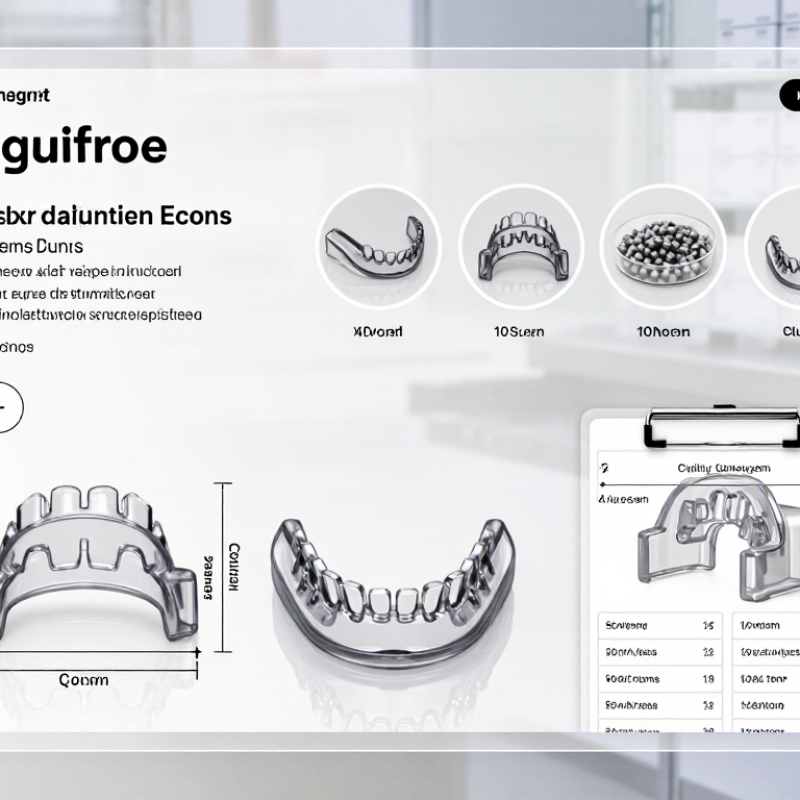
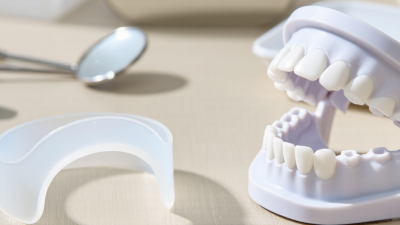
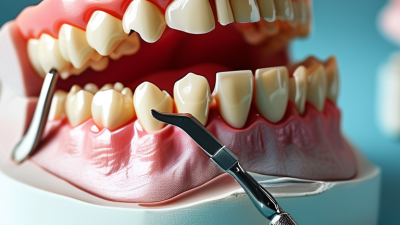
A mouth opener keeps the jaws gently apart and improves access during dental examinations, imaging, and restorative care. Some designs also retract the cheeks or tongue. Fit matters. Devices commonly use smooth, rounded surfaces to reduce pressure on lips and oral tissues. Sizes and opening force vary; clinicians select them according to the patient, procedure, and ability to cooperate. A larger opening is not automatically better.
The World Health Organization’s Global Oral Health Status Report 2022 estimates that oral diseases affect nearly 3.5 billion people worldwide. This figure describes disease burden, not mouth-opener demand, but it underscores the broad need for accessible oral care. In practice, a stable bite block can help maintain access during longer procedures, while a smaller retractor may suit brief examinations. Small details count. Edges, flexibility, and cleaning instructions matter as much as the overall shape. Reusable and single-use options require different handling, and product labeling should be checked before clinical use. One limitation deserves attention: even a well-designed opener can cause discomfort if its size or placement is unsuitable, so clinicians should reassess fit during treatment.
| Product Type | Purpose and Clinical Applications | Typical Design Features | Common Material Options | Key Buyer Evaluation Points |
|---|---|---|---|---|
| Dental bite block (mouth prop) | Helps keep the mouth open during dental examinations, restorative procedures, and some other treatments where controlled jaw support is needed. | Compact block or wedge positioned between the teeth; may have a textured surface or a tether to help with handling and retrieval. | Medical-grade silicone, elastomer, or polymer; material depends on whether the item is reusable or single-use. | Check size options, smooth edges, retention and retrieval features, material documentation, and whether the product is labeled for single-use or reuse. |
| Cheek and lip retractor | Moves the lips and cheeks away from the teeth to improve access and visibility in dental examinations, photography, and selected procedures. It does not necessarily hold the jaw open by itself. | U-shaped or frame-style design with rounded contact surfaces; available in different sizes and shapes for access and visibility. | Medical-grade polymer or silicone; some reusable designs use other materials specified by the manufacturer. | Assess comfort, flexibility, size range, visibility, edge finish, and validated cleaning or sterilization instructions for reusable products. |
| Self-retaining oral retractor | Provides hands-free retraction of oral tissues during procedures that require access to the mouth. Clinical selection depends on the procedure and the clinician’s assessment. | Frame or blade components hold soft tissues aside; some designs are adjustable or have removable parts. | Stainless steel or medical-grade polymer, depending on the device design and intended reuse. | Review component assembly, stability, tissue-contact finish, intended patient population, and validated reprocessing instructions. |
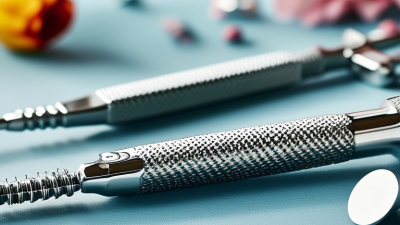
| Oral surgery mouth gag | Used by trained clinicians in selected oral or maxillofacial procedures to maintain mouth opening and provide access to the operative field. | Instrument-style mechanism with contact points designed to support controlled opening; designs and operating methods vary. | Commonly surgical-grade stainless steel; material and surface finish should be documented for the specific device. | Confirm intended procedure and user, mechanical function, secure adjustment, corrosion resistance, and applicable cleaning and sterilization validation. |
| Pediatric mouth prop | Provides jaw support during selected pediatric dental procedures when appropriate. Use should be based on the child’s size, clinical needs, and professional judgment. | Smaller dimensions than many adult options; may use a compact block or wedge profile with a retrieval feature. | Medical-grade silicone, elastomer, or polymer, according to the product’s intended use. | Check age or size guidance, secure placement and retrieval, rounded surfaces, material safety information, and single-use or reuse labeling. |
| Adjustable or screw-type mouth gag | Maintains a selected degree of mouth opening in certain surgical settings under the direction of a trained clinician. | Adjustable mechanism with movable supports; the mechanism should allow controlled positioning and secure locking where applicable. | Typically stainless steel for reusable instrument designs; verify the exact material and finish in the technical documentation. | Evaluate adjustment smoothness, locking reliability, component durability, inspection requirements, and validated reprocessing procedures. |
Buyer note: Product classification, intended use, permitted patient population, and reprocessing requirements vary by device and market. Request current technical documentation, material information, labeling, and applicable regulatory evidence, and verify that claims match the intended clinical use.