2026 How to Choose an Oscillating Jamb Saw?
Choosing an Oscillating Jamb Saw in 2026 requires more than comparing prices or counting accessories. Door frames vary in thickness, flooring heights, and available working space. A saw that feels powerful in a showroom may become awkward beside a narrow casing or finished wall.
Veteran remodeler and tool educator Mark Clement offers a practical reminder: “The best tool is the one that gives you control when the work becomes difficult.” That principle matters here. Look for a compact body, a stable shoe, and a blade system that handles wood, nails, and other approved materials. Variable speed can help prevent scorching on hardwood. A bright work light may reveal the cut line beneath a dark jamb. Small details matter.
Power is not everything.
Corded models can provide consistent output during repeated door installations. Battery models offer cleaner movement across occupied rooms. However, battery weight and runtime deserve honest attention. Some advertised specifications sound impressive, yet real cutting performance depends on blade quality, pressure, and operator technique. I would not choose a tool solely because it includes many blades. Several may be unsuitable for your typical flooring projects.
This guide examines cutting depth, ergonomics, vibration, blade availability, safety features, and long-term service support. It also considers imperfect jobsite conditions, including dusty floors, uneven thresholds, and limited visibility. The right Oscillating Jamb Saw should make precise undercutting easier, not turn a simple renovation into a tiring struggle. Before buying, compare your actual doorway conditions with the manufacturer’s verified specifications. That step is easy to skip. It is also where many purchasing mistakes begin.
What Is an Oscillating Jamb Saw and How Does It Work?
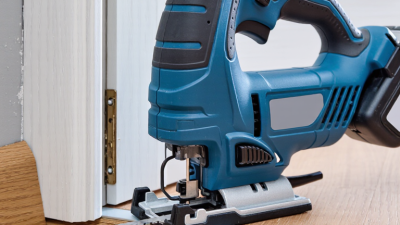
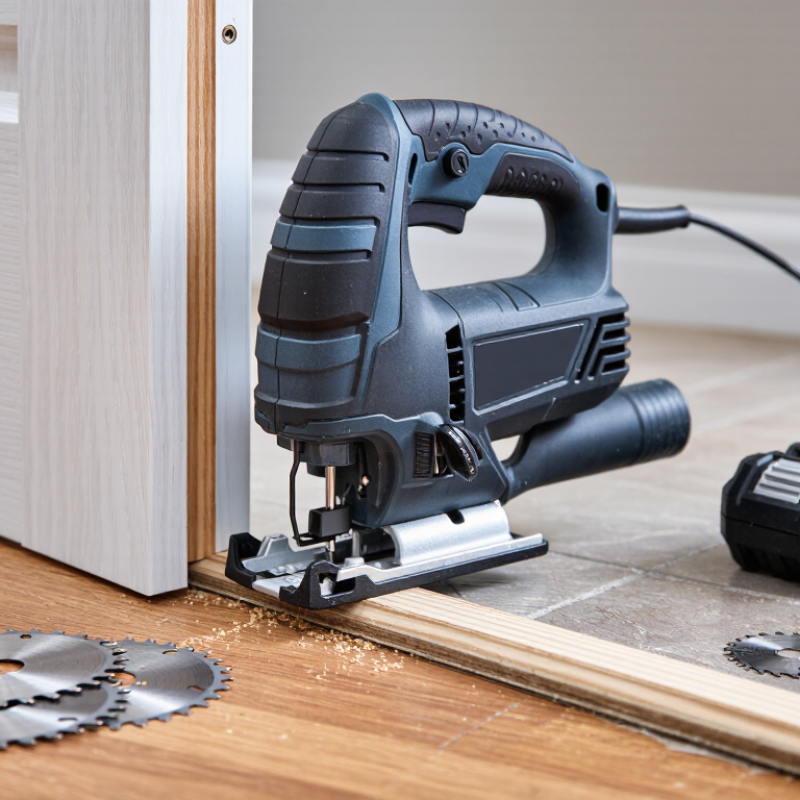
An oscillating jamb saw is a compact cutting tool designed to trim doorjambs, casings, and baseboards near the floor. Its narrow blade moves rapidly from side to side through a very small arc. Unlike a circular saw, it does not spin continuously. This controlled oscillation helps the blade cut in tight spaces with less kickback risk.
When the blade touches wood, each short movement removes a small amount of material. The tool’s flat profile lets you slide it beneath a door casing while keeping the cut close to the flooring surface. A flooring sample can guide the height accurately. I usually place the sample beside the jamb, mark the cut line, and move the saw slowly without forcing it. Dust can hide the line. That part is easy to underestimate.
Blade choice matters. Fine-tooth blades suit clean cuts in wood and composite trim, while tougher blades handle embedded nails better. However, no blade should be assumed safe for every material. Check the tool manual and inspect the work area first. Loose trim, hidden wiring, or plumbing can create serious problems. Wear eye protection, secure the workpiece, and keep both hands controlled.
A useful jamb saw should offer comfortable handling, adjustable speed, and a stable base. Excessive vibration may signal poor technique, a worn blade, or an unsuitable setting. The neatest cut is not always the fastest one. Pause often, check the fit, and accept that a small second pass may produce a better result.
How to Compare Blade Types, Power Sources, and Cutting Capacity?
Choosing an oscillating jamb saw starts with the blade, not the motor. The blade decides speed, control, and surface damage.
Use fine-tooth blades for clean cuts through wooden door jambs. Bi-metal blades handle wood containing hidden nails or thin metal. Carbide-grit blades suit grout, cement board, and other abrasive materials. They cut slowly but resist tooth loss. I once used a wood blade on a nail-marked frame. It worked, but the teeth dulled quickly.
Compare power sources by workload. Corded tools provide steady output during repeated cuts, but the cable can snag around finished flooring. Battery tools improve movement in tight rooms. Their runtime depends on amp-hours, blade pressure, and material hardness, not voltage alone. Grand View Research valued the global power tools market at about 36 billion dollars in 2023. Its 2024 market report identifies cordless adoption as a major growth driver.
Cutting capacity needs careful checking. Measure usable blade reach, plunge depth, and clearance beneath the jamb. Package measurements can look generous. A compact blade may cut only 20 millimeters cleanly in dense oak. Select a longer blade when the jamb has layered trim, but expect more vibration. NIOSH recommends limiting occupational noise exposure to 85 dBA over eight hours. Hearing protection matters, especially in small rooms where sound reflects sharply. I still prefer a slower cut when it leaves a square, repairable edge.
What Safety, Comfort, and Maintenance Factors Should You Check?
2026 How to Choose an Oscillating Jamb Saw?
Safety should guide your choice before cutting performance. Look for a secure grip, a responsive trigger, and clear blade visibility. The tool should feel stable when cutting near a door frame. Check the power cord, housing, screws, and blade attachment before every use. Wear eye protection and hearing protection, especially in enclosed rooms. Disconnect power before changing blades or clearing packed dust. A dust outlet can also improve visibility around the cut line.
Comfort matters during repeated installation work. Choose a balanced tool with low vibration and a handle that does not force your wrist sideways. A lighter saw may feel easier, but poor balance can still cause fatigue. I once focused too much on weight and overlooked grip pressure. That was a mistake. Test the control position with your gloves on. If the trigger feels awkward, small cuts can become tiring quickly.
Tips: Inspect the blade teeth after each project. Replace damaged blades instead of forcing them through timber. Brush dust from vents and wipe the body with a dry cloth. Check fasteners regularly, because vibration can loosen them. Store the saw in a dry place with the blade removed. Read the operating guide for speed settings and compatible accessories. If the tool becomes unusually hot, noisy, or difficult to control, stop and investigate it.
2026 How to Choose an Oscillating Jamb Saw?
What Safety, Comfort, and Maintenance Factors Should You Check?
How to Use This Checklist
Prioritize a jamb saw with effective guarding, a secure grip, low vibration, accessible controls, and easy cleaning.
Inspect the power cord or battery system, blade condition, air vents, moving parts, and adjustment mechanism before every job.
The percentages represent a practical evaluation guide rather than a manufacturer rating.
How to Choose the Right Oscillating Jamb Saw for Your Projects?
Choosing the right oscillating jamb saw starts with your project, not the tool’s appearance.
For undercutting door jambs around hardwood, tile, or laminate, check the cutting depth and blade compatibility. A compact head helps reach tight corners. A flush-cut blade should sit steadily against the floor without scraping the surface.
Power matters when cutting dense timber or repeated openings.
Variable speed gives better control near painted trim, while a higher oscillation rate can improve progress through softer wood. Corded models suit workshop work with continuous cutting. Battery-powered models are easier on stairs and in unfinished rooms. Consider vibration carefully. A tool that feels manageable for one minute may feel tiring after twenty.
Grip design and trigger placement affect accuracy more than many buyers expect.
I prefer a balanced handle and a clear depth guide. Some guides look useful but shift during cutting. That small flaw can damage flooring. Test the blade-locking system before purchase, especially if you change blades often. Choose blades designed for the material, and inspect their teeth before each cut. A dull blade creates heat and rough edges.
Do not ignore dust, noise, or eye protection.
I once selected a powerful saw but underestimated its vibration near a fragile door frame. The cut worked, yet the control was poor. Reconsider your choice if the tool feels aggressive in your hands. Reliable selection comes from matching cutting depth, control, access, and material demands.