Pawsome-Specializing in vet health products since 2015

Inquiry
Form loading...

Why Choose a TPLO Plate for Dogs?

A torn cranial cruciate ligament can change a dog’s daily life quickly. Simple movements, such as climbing stairs or standing from a warm bed, may become painful. For many active or heavier dogs, tibial plateau leveling osteotomy, or TPLO, offers a carefully studied surgical option.

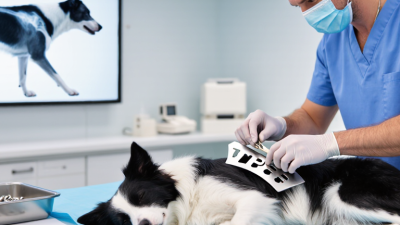
A Tplo Plate Dog procedure uses a shaped plate to stabilize the cut tibia during healing. The plate supports the bone while the knee adapts to its new mechanical position. Veterinary surgeons select the implant after reviewing radiographs, limb alignment, body weight, age, and activity level. Every detail matters. A poorly matched implant may increase complications, including irritation, infection, or delayed healing.

Clinical experience shows that successful recovery depends on more than the plate itself. Surgical precision, pain management, controlled exercise, and regular follow-up all influence the result. A dog may need strict leash walks at first, even when the incision looks healthy. That part can test any owner’s patience. Rehabilitation often progresses through gentle weight-bearing, muscle conditioning, and gradual return to normal activity.

Still, TPLO is not automatically the best choice for every patient. Some dogs have additional joint disease, medical risks, or anatomy requiring another approach. Honest planning includes discussing costs, possible complications, implant removal, and realistic recovery times with a qualified veterinary surgeon. This guide examines why a TPLO plate may be recommended, how it supports healing, and which questions deserve careful attention before surgery. Vet judgment remains essential.
Why Choose a TPLO Plate for Dogs?

What Is a TPLO Plate and How Does It Support Canine Knee Repair?

Why Choose a TPLO Plate for Dogs?

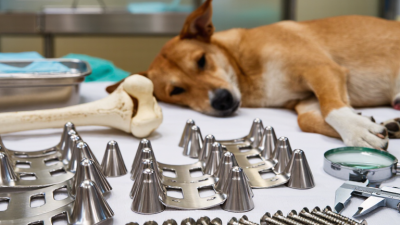
A TPLO plate stabilizes the tibial plateau after a tibial plateau leveling osteotomy. This surgery changes the knee’s angle. The altered angle helps the joint resist forward sliding during weight bearing. The plate holds the cut bone steady while healing occurs. Screws distribute forces through the repaired tibia. It does not replace the damaged cranial cruciate ligament. It supports a new mechanical solution.

Clinical evidence supports this approach for many active dogs. Veterinary case series commonly report complication rates near 10–20%, depending on follow-up and reporting methods. A peer-reviewed study in Veterinary Surgery found strong long-term functional improvement after TPLO. The American College of Veterinary Surgeons also describes TPLO as a widely used repair for canine cranial cruciate disease. Still, numbers can hide difficult cases. Infection, meniscal injury, delayed healing, or implant irritation may occur. No plate removes every risk. That limitation deserves honest discussion.

Tips: Ask whether the plate matches your dog’s bone size and activity level. Request postoperative radiographs before increasing exercise. Keep the incision clean and dry. Restrict running, jumping, and slippery-floor play during healing. Watch for swelling, drainage, sudden lameness, or a loose-feeling gait. Report changes quickly. Rehabilitation should be gradual and supervised. Recovery is not always perfectly linear. Dogs often look better before the bone is fully healed. Follow the surgeon’s timeline, not the dog’s enthusiasm.

Sources: American College of Veterinary Surgeons, Cranial Cruciate Ligament Disease; Veterinary Surgery peer-reviewed TPLO outcome studies.
When Is a TPLO Plate Recommended for Dogs?

Why Choose a TPLO Plate for Dogs?

When Is a TPLO Plate Recommended for Dogs?

A TPLO plate is usually recommended when a dog has a cranial cruciate ligament tear causing knee instability. The injury may appear after a sudden turn, a jump, or gradual wear. Common signs include limping, swelling, stiffness, and difficulty rising. Some dogs still walk, but their knee remains unstable.

A veterinarian should confirm the problem before surgery. The assessment may include a physical examination, joint manipulation, and radiographs. These steps help identify arthritis, fractures, or other causes of lameness. A TPLO plate may suit active, large, or overweight dogs, especially when conservative treatment is unlikely to restore reliable movement. It can also be considered when the knee has significant instability during weight-bearing.

The plate stabilizes the reshaped tibia while the bone heals. Its design must match the dog’s bone size, activity level, and surgical plan. That decision requires careful measurement and surgical experience. Not every dog needs this procedure. Age, existing arthritis, infection risk, and general health all matter.

Recovery is demanding. Strict leash walking may be needed for several weeks, followed by controlled rehabilitation. A dog that feels better too soon may damage the healing bone. No surgery is perfect. Complications can include infection, implant irritation, delayed healing, or persistent lameness. These risks deserve an honest discussion, even when the outlook appears favorable. A second veterinary opinion can sometimes clarify an uncertain decision.

How Does TPLO Plate Design Improve Tibial Stability?

Why Choose a TPLO Plate for Dogs?

A TPLO plate is designed to stabilize the upper tibia after tibial plateau leveling osteotomy. Its shape follows the curved surface of the bone. This close fit helps distribute forces across the repaired area. During walking, the plate and screws support the osteotomy while new bone develops.

How Does TPLO Plate Design Improve Tibial Stability?

Locking screw technology can improve fixation in selected cases. Each screw engages the plate, creating a fixed-angle connection. This reduces reliance on friction between the plate and bone. It may be especially useful when bone quality is limited or loading is substantial. However, locking screws do not replace accurate reduction or careful surgical planning.

A broad plate profile can resist bending and rotation around the osteotomy. Carefully positioned holes allow the surgeon to place screws away from the joint and cut line. This protects the repair while preserving useful bone stock. In practice, stability also depends on plate contour, screw length, bone quality, and postoperative control.

The design is not magic.

A strong construct can still fail if the cut is inaccurate, the implant is poorly fitted, or activity increases too quickly. Radiographs help assess healing and implant position during follow-up. Veterinary surgeons must evaluate each dog’s weight, anatomy, limb alignment, and temperament before selecting fixation. Even a neat radiograph cannot show every biological problem. Careful monitoring remains essential.

Why Choose a TPLO Plate for Dogs?

How does TPLO plate design improve tibial stability? By securing the rotated tibial plateau at a low functional slope, a TPLO construct helps limit cranial tibial translation and reduces dependence on the damaged cranial cruciate ligament.

The values shown are representative midpoints of commonly reported canine TPLO planning ranges: approximately 25–30° before surgery and about 5–6° after leveling. Actual measurements are patient-specific. A contoured plate with fixed-angle or locking screw support helps maintain this corrected alignment during healing.

What Factors Guide TPLO Plate Selection and Surgical Placement?

Why Choose a TPLO Plate for Dogs?

TPLO plates stabilize the tibial osteotomy while bone healing progresses. However, plate selection begins with the dog, not the implant. A VetCompass analysis of 100,000 UK dogs reported a 1.54% annual prevalence of cranial cruciate ligament disease. That figure highlights the scale of this procedure. It also shows why consistent planning matters.

Surgeons assess body weight, tibial width, plateau angle, bone quality, and expected activity. Radiographs guide the osteotomy radius and plate position. Computed tomography can help when anatomy appears unusual. A smaller dog may need a compact plate with careful screw spacing. A large, active dog may require stronger fixation and greater attention to distal screw purchase. Locking screws can improve construct stability, but they do not correct poor alignment. Placement must preserve soft tissue and avoid joint penetration.

The Veterinary Surgery literature reports considerable variation in TPLO complication rates and inconsistent reporting between studies. That limitation deserves honesty. A plate can be mechanically sound yet fail after infection, excessive loading, or inaccurate rotation.

Small errors matter.

In practice, surgeons should confirm alignment on intraoperative imaging, check screw length, and protect the cranial tibial blood supply. Postoperative evidence from follow-up examinations, radiographs, and owner observations should influence future implant choices. No selection formula fits every dog. The plan can still be wrong. Reassessment is part of good surgery.

What Recovery and Long-Term Care Follow TPLO Plate Surgery?

Why Choose a TPLO Plate for Dogs?

Recovery after TPLO plate surgery depends on disciplined care, not the implant alone. The first days require prescribed pain relief, a clean incision, and strict rest. Keep your dog on short leash walks for toilet breaks. Prevent stairs, running, sofa jumping, and slippery floors. A baby gate or small recovery area can make this easier.

The plan is clear, but real recovery is messier. Mild swelling or an uneven step may appear after activity. Worsening heat, discharge, sudden lameness, or reduced appetite needs prompt veterinary attention. Not every quiet dog is comfortable; that detail is easy to miss. Follow-up examinations and radiographs help confirm bone healing before activity increases. Many dogs need several weeks of carefully controlled movement, often around eight to twelve weeks, depending on healing.

Rehabilitation may include gentle range-of-motion exercises, slow lead walks, and professional therapy. Do not add exercises without veterinary approval. Long-term care often includes maintaining a lean body weight, building muscle gradually, and limiting repeated high-impact jumping. The plate usually remains in place unless infection, irritation, or another complication develops. Even after successful healing, arthritis can progress. A dog may look normal while still needing thoughtful exercise choices. Recovery is rarely perfectly linear. Owners sometimes advance activity too quickly, then lose progress. Patience remains practical care.

Why Choose a TPLO Plate for Dogs? – What Recovery and Long-Term Care Follow TPLO Plate Surgery?

Care or Evaluation Dimension Typical Information Why It Matters Recommended Owner Action
Purpose of TPLO plate surgery TPLO surgery changes the geometry of the knee so the joint can remain stable during weight-bearing, even when the cranial cruciate ligament is no longer functional. Improved stability can reduce abnormal motion, pain, and progression of joint degeneration. Discuss whether TPLO is appropriate based on the dog’s size, activity level, knee condition, age, general health, and imaging results.
Plate and screw function The plate and screws hold the surgically repositioned bone segments in alignment while the osteotomy heals. Stable fixation helps protect the surgical correction during bone healing. Prevent jumping, running, rough play, and unsupervised activity until the veterinarian confirms adequate healing.
Hospital stay Many dogs go home the same day or after an overnight stay, depending on pain control, mobility, and the surgical team’s protocol. The first day allows monitoring for pain, bleeding, nausea, and recovery from anesthesia. Prepare a quiet, non-slip recovery area before discharge and follow all medication instructions exactly.
First 24–48 hours Mild sleepiness, reduced appetite, bruising, swelling, and limited weight-bearing may occur after surgery. Early discomfort is common, but worsening pain or rapidly increasing swelling may indicate a complication. Give prescribed medication, monitor the incision, use cold therapy only if directed, and provide short leash walks for toileting.
Incision protection The incision should remain clean and dry. Licking or chewing can damage the incision and introduce infection. Infection or wound breakdown can delay healing and may require additional treatment. Use an Elizabethan collar or another veterinarian-approved protective device and avoid bathing until cleared.
Weeks 1–2: protection phase Activity is usually restricted to controlled, short leash walks. Stairs, furniture, slippery floors, and off-leash movement should be avoided. The bone cut and fixation are still vulnerable to excessive loading. Use baby gates, rugs, ramps, or confinement as needed. Increase activity only with veterinary approval.
Recheck examination A wound or progress check is commonly performed about 10–14 days after surgery, although timing varies. The veterinarian can assess the incision, pain, range of motion, muscle use, and overall progress. Attend scheduled visits even if the dog appears comfortable and is using the leg well.
Weeks 3–6: controlled rehabilitation Activity may be gradually increased if healing is satisfactory. Physical therapy may include controlled walking, gentle range-of-motion exercises, or other clinician-directed methods. Gradual loading helps rebuild strength while limiting reinjury risk. Follow a written rehabilitation plan and stop exercises if pain, marked lameness, or swelling develops.
Radiographic healing assessment X-rays are often used around 6–8 weeks after surgery, or at another interval selected by the surgeon, to evaluate bone healing. Radiographs help determine whether activity can safely progress. Do not rely solely on improved walking; a dog may feel better before the osteotomy is fully healed.
Weeks 8–12 and beyond Many dogs gradually return to normal activity after confirmed healing, but the exact timeline differs by patient and procedure. Returning too quickly can increase the risk of implant problems, delayed healing, or reinjury. Increase duration and intensity in stages; resume high-impact activities only after veterinary clearance.
Pain management Pain control may involve prescribed anti-inflammatory medication, analgesics, and supportive care selected by the veterinarian. Effective pain control supports safe movement and rehabilitation. Never give human pain relievers unless specifically prescribed by a veterinarian for that dog.
Weight management Maintaining a lean body condition reduces load on the operated and opposite knees. Excess body weight can increase joint stress and may hinder mobility and rehabilitation. Measure meals, limit high-calorie treats, and ask the veterinary team for a target body condition and feeding plan.
Long-term joint care Osteoarthritis can still develop or progress after stabilization of the knee. TPLO addresses instability but does not reverse all pre-existing cartilage damage or arthritis. Maintain a healthy weight, provide regular low-impact exercise, and schedule veterinary reviews when mobility changes.
Possible complications Potential problems include infection, delayed bone healing, meniscal injury, implant irritation or failure, persistent lameness, and complications in the opposite knee. Early recognition can improve treatment options and reduce the impact of complications. Contact the veterinary team promptly for worsening lameness, increased swelling, discharge, wound opening, fever, severe pain, or sudden loss of limb use.
Expected long-term outlook Many dogs regain comfortable functional use of the limb, but recovery varies according to age, body condition, arthritis, concurrent disease, and adherence to rehabilitation. A successful surgical result depends on both fixation and consistent postoperative care. Continue monitoring gait, willingness to exercise, stair use, sitting posture, and signs of discomfort throughout the dog’s life.

Recovery timelines are general guidelines only. The operating veterinarian should determine exercise progression, medication use, rehabilitation, imaging schedules, and the timing of return to normal activity for each dog.